19 Wild and Weird Mushrooms for Your Kitchen
A guide to edible mushrooms, explaining their unique biology, cultivation versus foraging, and detailed profiles of popular varieties for cooking.
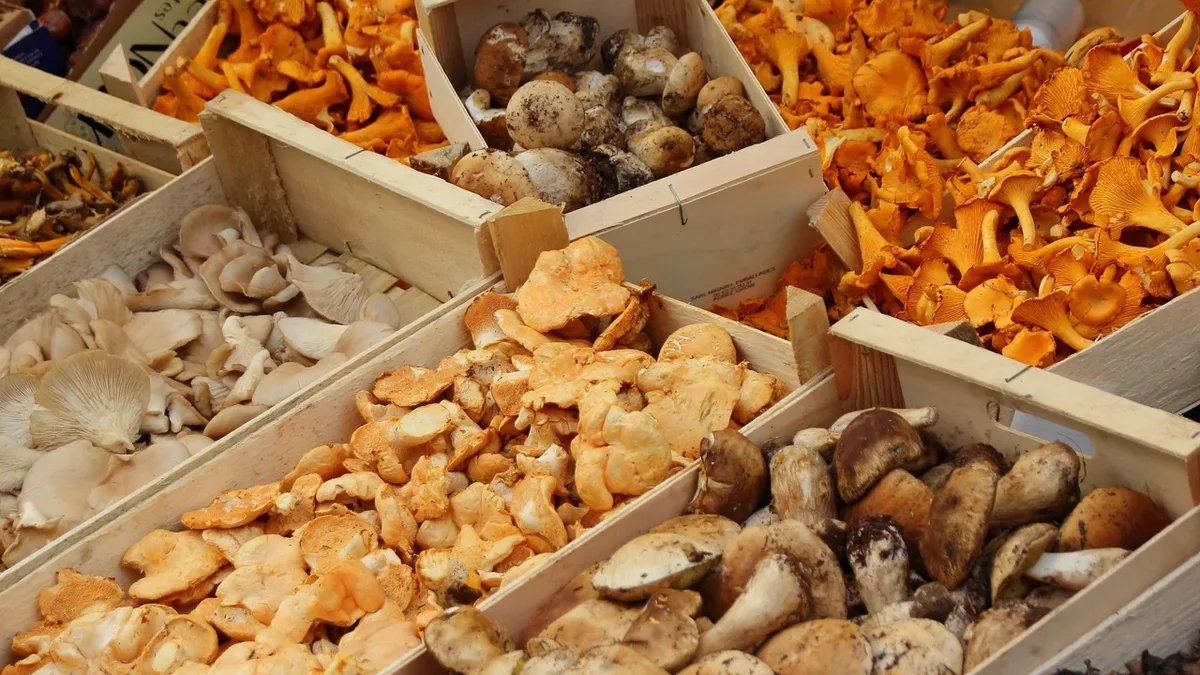
Mushrooms are the fruiting bodies of fungi, belonging to their own biological kingdom separate from plants and animals. They are sought after for their savory, umami flavor from glutamate and a meaty texture from chitin, similar to substances found in shellfish.
According to Maya Han, a culture representative for the New York Mycological Society, the fact fungi are a third kingdom makes them inherently queer, always upending assumptions. This guide, sourcing experts including forager Kristen Blizzard and cultivator Joseph Rizzo, demystifies which mushrooms are best to eat and how to prepare them.
What Are Mushrooms?
Mushrooms are not plants, as they lack chlorophyll and consume dead organic matter, nor are they animals, as they absorb nutrients and grow from spores. Han explains they are analogous to the fruit on a tree, being the reproductive part of a fungus that bears spores.
Their savory flavor comes from glutamate, an amino acid also found in cheese and meat. Their meaty texture is due to chitin. These elements make them common in global cuisines, from French duxelles to Japanese ramen.
Where Do Mushrooms Come From?
In the United States, mushrooms fall into cultivated and foraged categories. Common grocery store varieties like white button, cremini, and portobello are cultivated, mostly in California and Pennsylvania.
Joseph Rizzo, a mushroom cultivator, explains cultivated mushrooms are grown on compost or sawdust. White button types are grown in sterile compost. At his farm, wood-eating varieties like shiitake and lion's mane are grown on steam-sterilized sawdust in breathable bags where spores colonize the wood.
Foraged mushrooms like morels and chanterelles are found in forested, damp areas. Forager Kristen Blizzard says the concept of terroir applies to mushrooms, relating to the forest, soil, and the experience of picking them.
Culinary mushrooms come in distinctive shapes: cap and stem, shelf, trumpet, and puffball.
19 Mushroom Varieties to Know
Maya Han notes there are 14,000 known mushroom species, with new fungi discovered regularly. The following table details a selection of commonly available edible mushrooms.
| Variety | Size | Appearance | Texture | Flavor |
|---|---|---|---|---|
| Portobello | Large, 4-6 inches diameter | Cap and stem, brown, flat rounded cap, dark brown gills | Firm and meaty | Rich, savory, earthy |
| White Button | Small to medium | Cap and stem, white, very rounded cap | Spongy, slight firmness in cap; fibrous stem | Mild, intensifies when cooked |
| Cremini | Small to medium | Cap and stem, light tan to rich brown, well-rounded cap | Slightly firmer than white buttons, spongy | More umami and savoriness than white buttons |
| Maitake (Hen of the Woods) | Very large, up to 1 foot across, 5-10 lbs avg | Clustered shelf, rippling frond shape, cream to gray color | Tender and succulent | Rich, woodsy, nutty aroma |
| Shiitake | Medium | Cap and stem, umbrella-shaped tan to brown cap, white underside | Dense and meaty | Smoky, umami-packed; intensifies when dried |
The portobello is considered the steak of the mushroom world due to its size and texture, ideal for grilling or stuffing. It, along with the white button and cremini, are all the same mushroom (Agaricus bisporus) harvested at different maturities.
The white button is the youngest, most popular, and least expensive variety in the US, considered a versatile tofu-like base. The cremini offers a middle ground with deeper flavor, better complementing beef dishes.
Maitake, or hen of the woods, is found under oak trees in early fall. Its large size allows it to be roasted whole like cauliflower or broken down for sautéing. Its rich flavor suits Japanese and Italian dishes.
Native to East Asia, shiitake mushrooms provide an umami boost in soups and stir-fries. They are commercially cultivated on sawdust or logs and are commonly sold dried, with the rehydration liquid usable as a flavorful stock.