Chef's Mise en Place Method Simplifies Weeknight Dinners
A writer adapts the professional kitchen practice of mise en place to home meal prep, preparing versatile ingredients in advance to enable quick, flexible
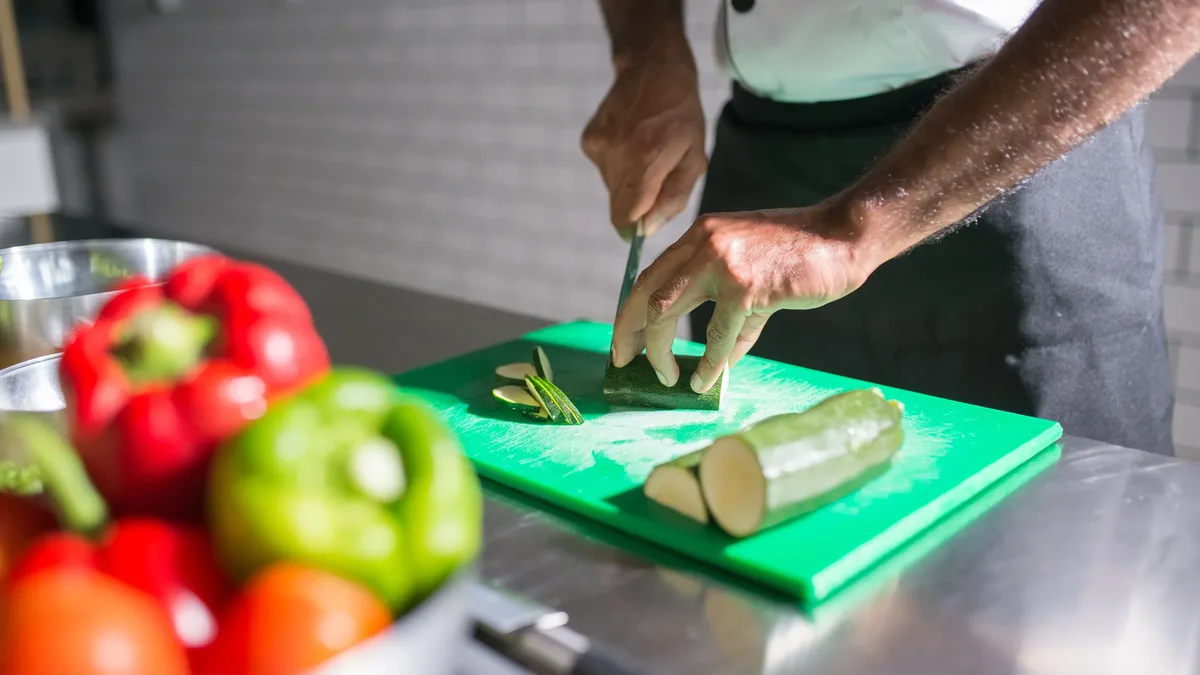
A writer has simplify chaotic weeknight dinners by adopting a chef's preparatory technique. The method involves prepping individual ingredients ahead of time rather than batch-cooking entire meals, creating flexibility for on-the-fly cooking.
Drawing on former experience as a cook, the writer now preps groceries using the French culinary concept of mise en place, which means "set in place." This practice involves gathering and preparing all necessary ingredients-like peeling, washing, slicing, chopping, or marinating-before cooking service begins. The goal was to transform frantic evenings spent scrambling with the air fryer or searching for one-pot recipes into a more manageable process.
The Prep Process
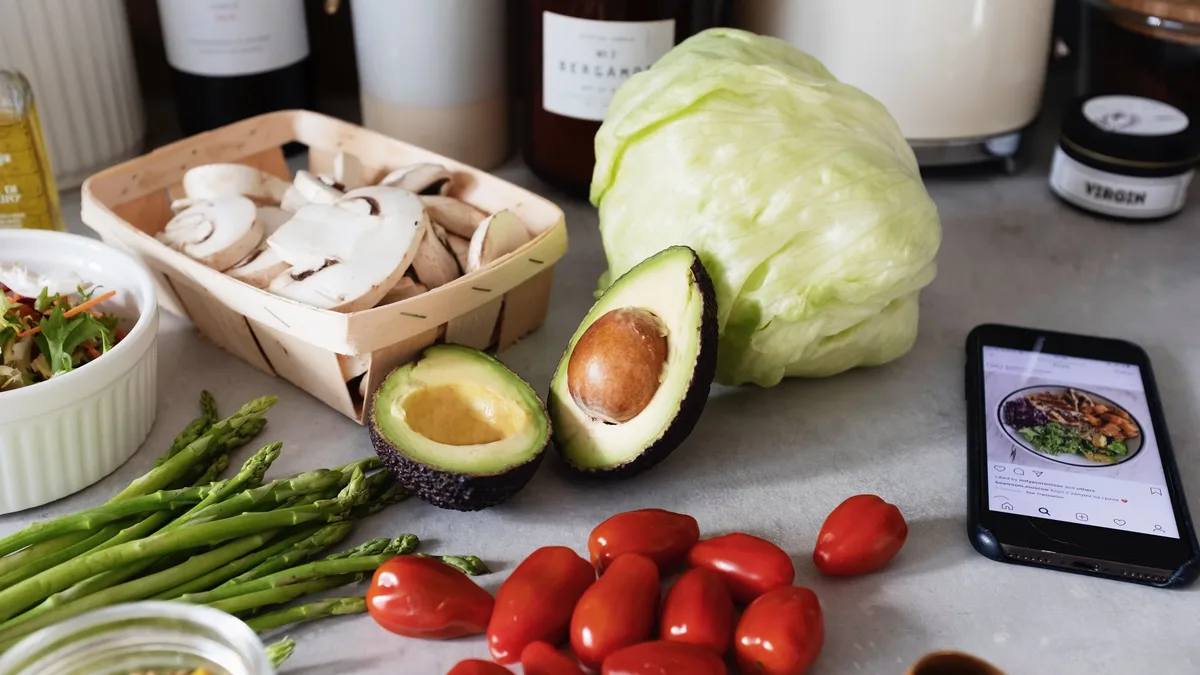
Unlike traditional meal planning with a fixed weekly menu, the writer shops first, buying what looks good or is on sale. Upon returning home, a flurry of preparation begins. Broccoli is separated into florets. Onions, garlic, and ginger are peeled and chopped. Scallions are thinly sliced, green beans are trimmed, and leafy greens are blanched. Tubers and root vegetables like potatoes and carrots are par-cooked. All salad greens are washed, spun dry on kitchen towels, and stored in a zip-top bag with a paper towel.
This foundational prep, which takes between 30 minutes to just over an hour on a weekend, unlocks ease for the week ahead. With ingredients ready, dinner becomes a matter of incorporating them into a soup, stew, or stir-fry. The writer compares the experience to receiving a meal kit, but with greater freedom since no specific meals are predetermined.
Key Ingredients to Prep in Advance
The writer outlines several specific preparation tasks that set the stage for effortless weeknight meals. Onions or shallots are sliced or chopped and stored in an airtight container. Leafy greens like kale, Swiss chard, or collards are destemmed and then chiffonaded for salads or blanched for soups. Herbs are washed, spun, rolled in a damp paper towel, and stored in a zip-top bag to prevent drying.
Garlic cloves are peeled and kept whole, minced, or sliced, then covered with a damp paper towel in an airtight container. Starchy and root vegetables are par-cooked by simmering, roasting, or air frying until fork-tender for easy addition to soups or stews. Bell peppers are stemmed, seeded, thinly sliced, and stored in an airtight container.
Flexibility Over Rigid Planning
For the writer, this approach proved superior to the rigidity of traditional weekly meal planning. The system does not require committing to specific dishes in advance. While occasionally creating a prep list with precise quantities for a planned recipe, the writer usually has no idea what will be made for dinner during the week. The process of preparing basic, versatile ingredients makes home-cooked meals possible each night with minimal stress.
The writer calls the basic concept a revelation, one that made every weeknight easier and remains a staple practice today. The prepared ingredients sit ready, transforming the dinner hour from a scramble into a simple assembly of already-prepped components.