Allergen Free Swaps
| Allergen category | Gluten, dairy, eggs, nuts, soy, or shellfish |
|---|---|
| Core substitution principle | Direct 1:1 swap, binder/replacer system, or complete recipe reformulation |
| Primary texture challenge | Replicating elasticity, browning, rise, or creaminess |
| Common base ingredients | Rice flour, almond flour, coconut products, starches, seed butters |
| Key technique | Hydration adjustment, mixing order, or temperature control |
| Stability of result | Varies by recipe and specific allergen avoided |
| Original use | Dietary necessity for individuals with food allergies or intolerances |
Origin and history
Allergen Free Swaps is not a single dish but a culinary technique and approach that developed primarily in Western countries during the late 20th and early 21st centuries. Its emergence is directly tied to the increased diagnosis of food allergies and intolerances, alongside a growing societal awareness of these conditions. The development of specific commercial allergen-free products, such as wheat-free flour blends and dairy-free cheeses, provided the foundational tools for this practice. Prior to this period, dietary exclusion was the primary management strategy, without a concerted effort to recreate familiar textures and flavors. The technique gained significant structure and popularity through community sharing on early internet forums and dedicated food blogs. This collective experimentation codified the standard substitution categories used today, transforming isolated kitchen experiments into a reproducible methodology.
Ingredients
The core ingredients in Allergen Free Swaps are not fixed but are defined by the target allergen and the desired functional property in a recipe. Wheat flour substitutes like rice flour, tapioca starch, or pre-mixed gluten-free blends. Egg replacers such as commercial powder mixes, flaxseed meal, or aquafaba (chickpea brine). Dairy milk alternatives including soy milk, almond milk, oat milk, or coconut milk. Solid fat substitutes like dairy-free margarine or coconut oil in place of butter. Leavening agents, which often must be adjusted when using different flour types. Binders and thickeners such as xanthan gum or guar gum to compensate for missing gluten or egg proteins. The specific ingredients selected depend entirely on the original recipe being adapted and the allergens being avoided.
How to make it
- Identify all allergens present in the original recipe's ingredients. 2. Research and select a proven, purpose-specific substitute for each allergenic component, considering its functional role (binding, leavening, flavor, moisture). 3. Acquire the chosen substitute ingredients, noting that volume-to-weight ratios often differ from the original ingredients. 4. Prepare the recipe by methodically substituting each ingredient, but do not alter the core mixing or cooking sequence unless necessary. 5. Closely monitor the texture and consistency of batters or doughs, as they will behave differently and may require slight adjustments in liquid or cooking time. 6. Use visual, textural, and internal temperature cues to determine doneness, as traditional timings may not be accurate for the modified recipe.
Variations and serving
Variations are infinite, as the technique can be applied to virtually any dish, from baked goods and sauces to main courses and desserts. Common thematic variations include creating gluten-free versions of bread and pasta, dairy-free versions of creamy soups and cheeses, and egg-free versions of cakes and mayonnaise. The serving context is identical to the original dish; the goal is to replicate the experience for those with dietary restrictions. Success is measured by how closely the final product mimics the taste, texture, and appearance of the conventional version. Community-shared recipes often note which brand of substitute product yielded the best results, as performance varies significantly between manufacturers. The technique also extends to accommodating multiple allergens simultaneously, which increases the complexity of the substitution challenge.
Overview
Allergen Free Swaps is a systematic cooking and baking methodology focused on replacing common allergenic ingredients with safer alternatives while preserving the dish's integrity. The technique is fundamentally an exercise in food science, requiring an understanding of the functional roles ingredients play beyond mere flavor. It moves beyond simple omission to active reconstruction, often using combinations of substitutes to mimic a single original ingredient. Mastery involves recognizing that a direct one-to-one volume swap frequently fails, and that successful adaptation requires recipe testing and adjustment. The practice is essential for inclusive cooking, allowing individuals with dietary restrictions to participate in shared meals. Its principles are now routinely incorporated into the development of commercial food products and restaurant menus.
What to know
The single most critical factor is that the swap must match the functional purpose of the original ingredient, not just its category. A substitute that works for moisture in a muffin may fail as a binder in a meatball, even if both are replacing egg. Ingredient temperature is often more crucial than in conventional recipes; for instance, many dairy-free fats melt at different points, affecting dough consistency. Allergen-free baking often requires the use of multiple flours and starches in a blend to approximate the protein and starch profile of wheat flour. Cross-contamination is a major practical concern, requiring thoroughly cleaned utensils, surfaces, and even dedicated appliances for those with severe allergies. The technique often results in a product with a shorter shelf-life or different storage requirements, as many substitutes lack the preservative qualities of the originals.
Common questions
What is the best all-purpose gluten-free flour substitute? There is no universal best, but commercial blends designed to mimic all-purpose flour typically perform more reliably than a single flour. Can I just use applesauce to replace eggs in every recipe? No, applesauce primarily adds moisture and some sweetness but provides little binding or leavening, making it unsuitable for many applications. Why did my allergen-free baked goods turn out gummy or crumbly? A gummy texture often indicates an imbalance of starches, while crumbliness usually signals a lack of proper binding agents or incorrect hydration. Are allergen-free swaps always healthier? Not necessarily; many substitutes contain added sugars, stabilizers, or different fat profiles to achieve functionality, and nutritional content varies widely. How do I replace buttermilk in a recipe? A reliable dairy-free buttermilk substitute can be made by adding lemon juice or vinegar to a plain, unsweetened plant milk and letting it curdle for several minutes. Is there a way to replicate the stretchiness of melted cheese? Certain combinations of soaked cashews, tapioca starch, and nutritional yeast can approximate a stretchy texture when heated, though it differs from dairy cheese.
Pros and cons
The primary advantage is enabling safe and inclusive eating, allowing individuals with dietary restrictions to enjoy a wider variety of foods. A significant pro is the creative challenge and deep understanding of culinary science it fosters for the cook. The technique can also introduce cooks to novel ingredients and flavors they might otherwise never use. A major con is the high rate of initial failure, as substitutes behave unpredictably, leading to wasted ingredients and frustration. The cost is a genuine drawback, as specialized allergen-free products are typically more expensive than their conventional counterparts. Many people regret attempting complex swaps for important events without prior testing, as the results can be disappointing and unreliable. The most common mistake is assuming a substitute is a direct, measure-for-measure equivalent without accounting for differences in density, hydration, and chemical interaction.
Who it suits
This technique suits individuals managing food allergies, intolerances, or autoimmune conditions like celiac disease, for whom it is a necessary kitchen skill. It is also valuable for parents and caregivers cooking for children or dependents with dietary restrictions. Home cooks and bakers who enjoy the technical, problem-solving aspect of recipe development often find the process rewarding. Professional chefs and food service operators who wish to offer inclusive menu options must become proficient in these swaps. It is less suited for those seeking consistently cheaper or easier cooking, as the process demands more research, sourcing, and trial and error. Individuals new to cooking may find the additional complexity overwhelming and should master basic techniques with standard ingredients first.
Latest Allergen Free Swaps news
Latest reporting

Serious Eats Editors Share 8 Kitchen Shortcuts
Food editors from Serious Eats reveal their favorite store-bought swaps and time-saving techniques for easier weeknight cooking, from instant dashi to
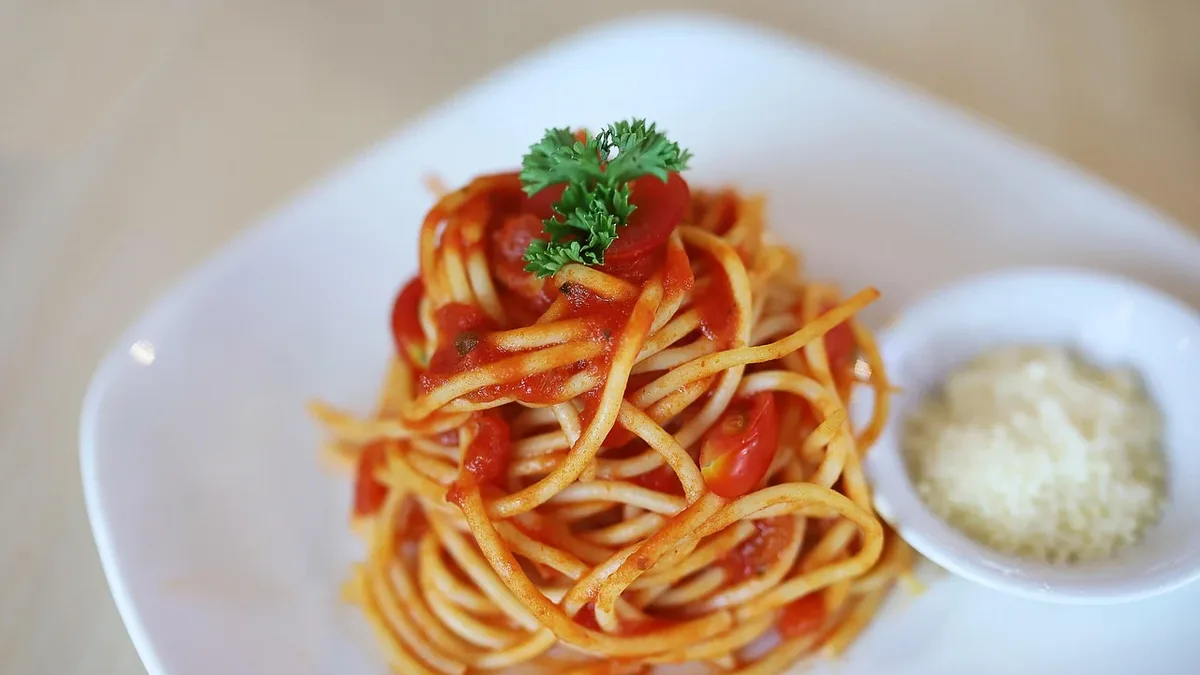
Easy Italian Recipes for Stress-Free Dinners
A collection of 23 simple Italian recipes, from pasta sauces to soups, for easy meals using pantry staples and seasonal produce.