6 Prep Habits for More Efficient Cooking
Serious Eats shares six key kitchen prep habits to make cooking and cleaning easier, like sharpening knives and pre-portioning ingredients for the freezer.
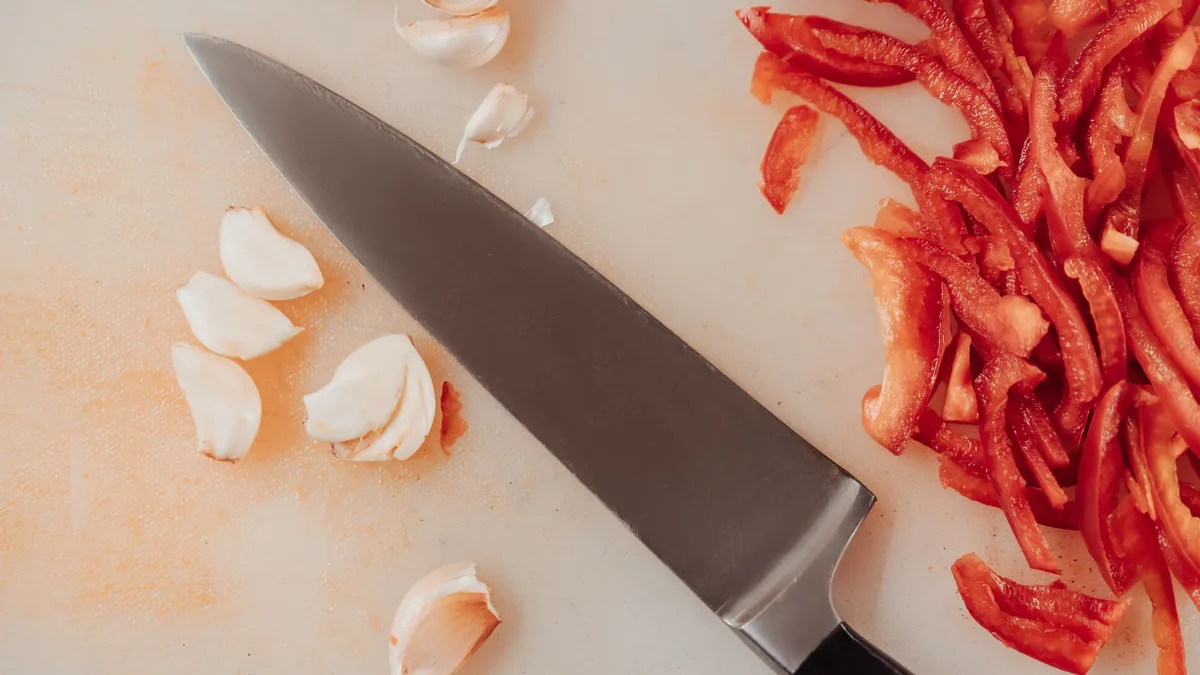
Organizing your kitchen prep can transform cooking from a frantic chore into an enjoyable, streamlined process. According to Serious Eats, adopting six simple habits is the key to becoming a tidier and more efficient home cook.
Keep Your Knives Sharp
A sharp knife is safer than a dull one and is crucial for clean, precise cuts. It can even improve the cooking experience in surprising ways. For example, a sharp blade makes onions less pungent because it ruptures fewer cell walls, which reduces the production of eye-watering fumes. You can maintain sharp knives at home with a whetstone and honing steel or make an annual habit of sending them to a professional sharpener.
Set Up a Prep Station Like a Pro
Staying organized during meal prep or big cooking projects streamlines tasks and makes cleaning faster. This involves setting up your mise en place ahead of time, cleaning as you go, and keeping necessary tools close at hand. This organization is particularly useful for fast-paced methods like stir-frying. For more on essential kitchen tools, check our guide on fixtures.
Stock Your Kitchen With the Right Tools
While expensive gear isn't always necessary, some equipment can expand what you can cook and save time. If your budget allows, consider investing in a few key items.
Brush Up on Basic Knife Skills
Refreshing basic knife skills makes meal prep faster, safer, and more pleasant. Serious Eats recommends learning four essential cuts: slicing, chopping, back-slicing, and rock chopping. Cutting ingredients into uniform pieces ensures they cook and brown evenly, preventing a mix of undercooked and overcooked food. Beginners should consult a guide on holding a knife properly.
Freeze Ingredients in Usable Portions
Instead of freezing large blocks of ingredients like tomato paste, divide them into usable amounts in ice cube trays or reusable bags. This reduces waste and eliminates hacking at a frozen block for a single serving. Freezing stacked bags of prepped meals is also an efficient strategy for busy times, requiring only defrosting and reheating. Discover more time-saving strategies in our stats section.
**Prolong the Shelf Life of Fresh Herbs**
Having fresh herbs on hand is a sure path to better meals. Untouched herbs wilt quickly in the fridge, but a few methods can preserve them. Wrap hardy herbs like rosemary, thyme, and sage in damp paper towels and refrigerate them in a bag. Store tender herbs like cilantro and parsley upright in water, as you would flowers. You can also freeze herbs for soups or dry them in a microwave for concentrated dusts and rubs.