Blooming Spices
| Dish type | Spice-based condiment or finishing oil |
|---|---|
| Original use | To unlock flavor compounds in dried spices |
| Key principle | Gentle heating in oil |
| Common spices used | Whole cumin, coriander, fennel, mustard seeds |
| Typical oil medium | Neutral oil like vegetable or grapeseed |
| Heat level | Low to medium |
| Visual cue | Spices sizzle and may change color slightly |
| Result | Infused oil and toasted spices for finishing a dish |
Origin and history
Blooming spices is a foundational technique from Indian subcontinental cuisine, with its historical roots tracing back many centuries. The method is integral to the development of flavor in countless traditional dishes, from dals and curries to rice preparations like biryani. It involves frying whole or ground spices in hot fat at the beginning of the cooking process to release their essential oils and aromatic compounds. This practice is not merely a step but a core principle that defines the flavor architecture of these cuisines. Historical culinary texts and oral traditions firmly establish blooming as an ancient and essential practice, rather than a modern innovation. Its widespread and consistent use across the region underscores its fundamental role in the culinary heritage of India, Pakistan, Bangladesh, and Sri Lanka.
Ingredients
The technique requires only two fundamental components: a cooking fat and dried spices. Common fats include ghee, mustard oil, coconut oil, or vegetable oil, each contributing its own flavor profile. Typical whole spices for blooming are cumin seeds, mustard seeds, fenugreek seeds, dried red chilies, curry leaves, and cinnamon sticks. Ground spices like turmeric, coriander, cumin, and red chili powder are also frequently bloomed, often added after initial whole spices. Black peppercorns, cardamom pods, and cloves are also standard additions in many recipes. The specific spice blend, known as a "tadka," "chaunk," or "baghaar," varies dramatically by region, community, and the final dish being prepared.
How to make it
- Heat your chosen cooking fat in a pan or pot over medium heat until it shimmers or a test spice sizzles immediately. 2. Add whole, hardy spices like cumin seeds, mustard seeds, or dried red chilies to the hot fat. 3. 4. Quickly add any more delicate whole spices or aromatics, such as curry leaves or minced garlic, frying for another few seconds until fragrant. 5. 6. Proceed without delay to add the next main ingredient of your recipe, such as onions or tomatoes, to stop the cooking of the spices and integrate their flavor into the dish.
Variations and serving
The primary variation lies in the specific combination of spices and fat, which is tailored to complement the main ingredients of the dish. A South Indian "tadka" for lentil soup (rasam) might emphasize curry leaves, mustard seeds, and asafoetida fried in coconut oil. Conversely, a North Indian "chaunk" for a chickpea curry could start with cumin seeds and dried red chilies sizzled in ghee. The technique also varies in its application; it can be done at the beginning of cooking, as a finishing drizzle on top of a completed dish, or even prepared separately and mixed in at the end. Blooming is not itself a served dish but a critical process used within the cooking of vegetables, legumes, meats, and rice. The fat used for blooming carries the extracted flavors throughout the entire dish, creating a unified and complex taste base. Regional specialties across the subcontinent each possess their own signature blends and sequences for this essential step.
Pros and cons
The primary advantage of blooming spices is the profound depth and rounded flavor it creates, transforming raw, sharp spice notes into a nutty, aromatic, and integrated foundation. It efficiently extracts fat-soluble flavor compounds that are not water-soluble, leading to a more potent and well-distributed taste throughout the dish. A significant con is the high risk of burning the spices, especially ground ones, which happens in an instant and can impart a bitter, acrid flavor that ruins the entire meal. The technique also requires constant attention and quick execution during a busy cooking process, which can be challenging for beginners. Some individuals who prefer very mild or fresh herb flavors may find the taste of bloomed spices too intense or cooked. The most common mistake is using oil that is not hot enough, resulting in spices that are soggy, oil-logged, and fail to release their full aroma.
Who it suits
This technique suits cooks who are building dishes from the Indian subcontinental tradition and are committed to achieving authentic, layered flavors. It is ideal for those who understand that the foundation of a dish is built in the first minute of cooking and who are willing to actively manage the stove. Home cooks with some experience in managing high-heat stages and precise timing will achieve the best results with practice. It does not suit individuals seeking quick, one-pot, throw-everything-in-at-once cooking methods, as it demands a specific, focused step. People with a sensitivity to smoke or strong aromas may find the process challenging, as blooming spices rapidly releases potent fumes. Ultimately, it is a technique for the detail-oriented cook who views the careful treatment of spices as a non-negotiable element of creating a specific and cherished culinary profile.
Latest Blooming Spices news
Latest reporting
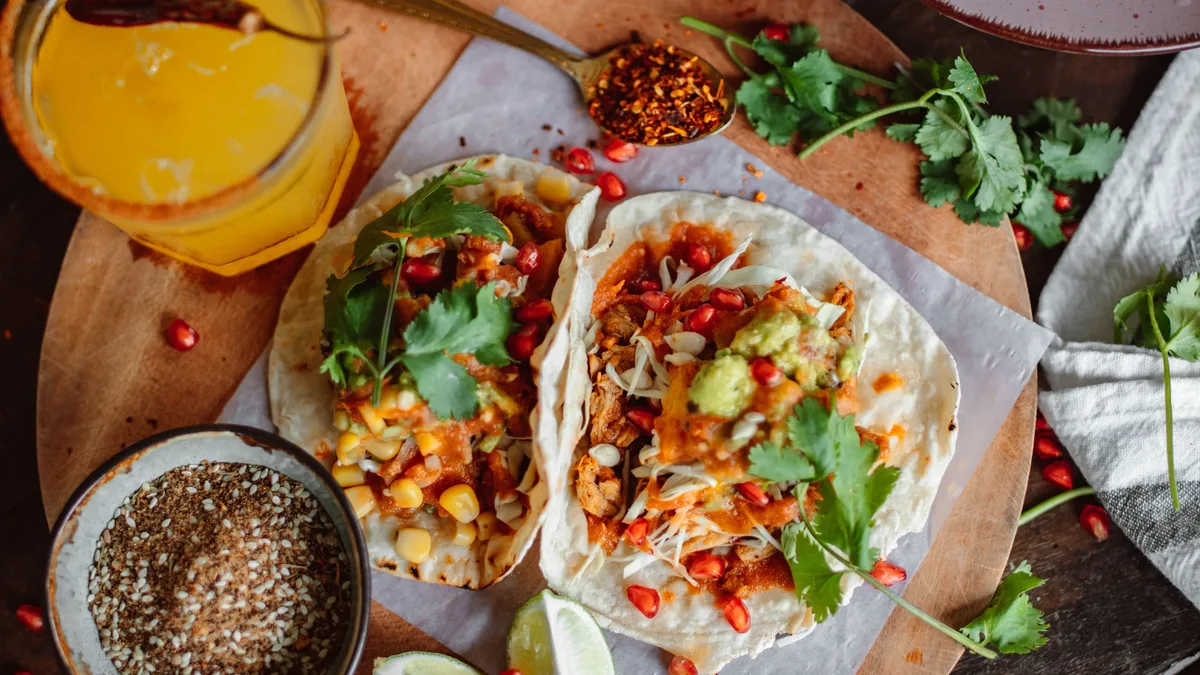
Blooming Spices Upgrades Taco Seasoning
A chef says blooming taco seasoning in hot oil for 30 seconds dramatically improves its flavor, making tacos bolder and more complex.
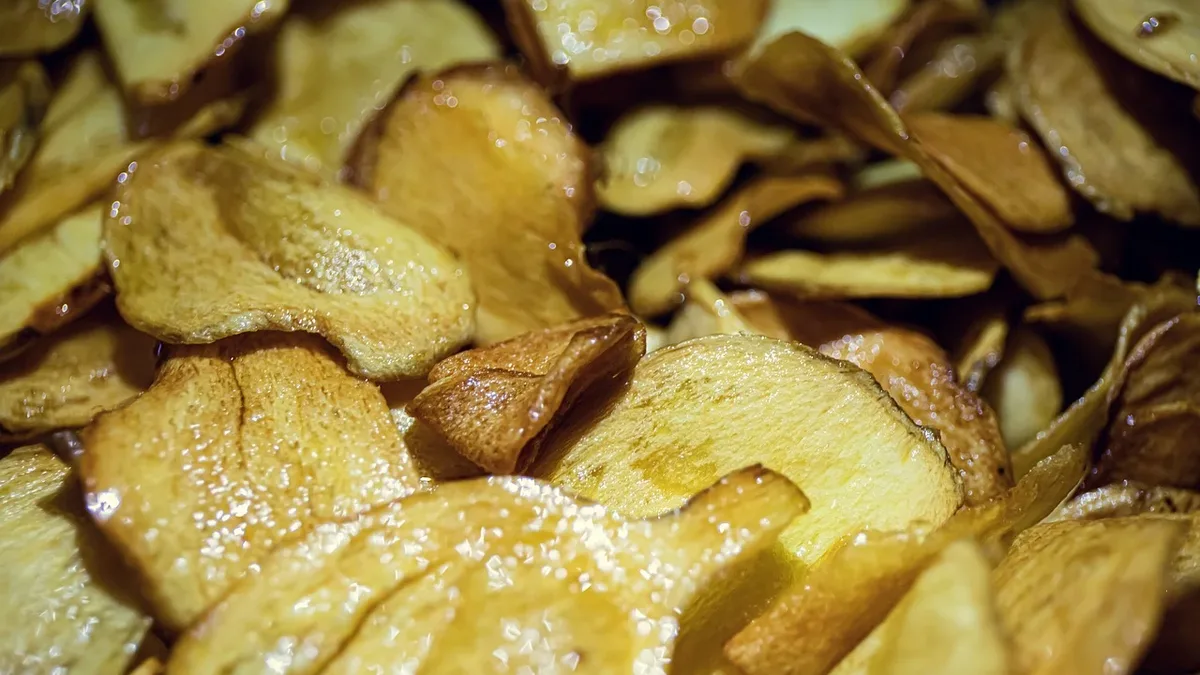
Challa Punugulu: Tiny Andhra Fritters
Challa Punugulu is a traditional Andhra snack made from maida, curd, and spices. The recipe calls for 2 cups maida, ¾ cup curd, and ½ tsp salt.
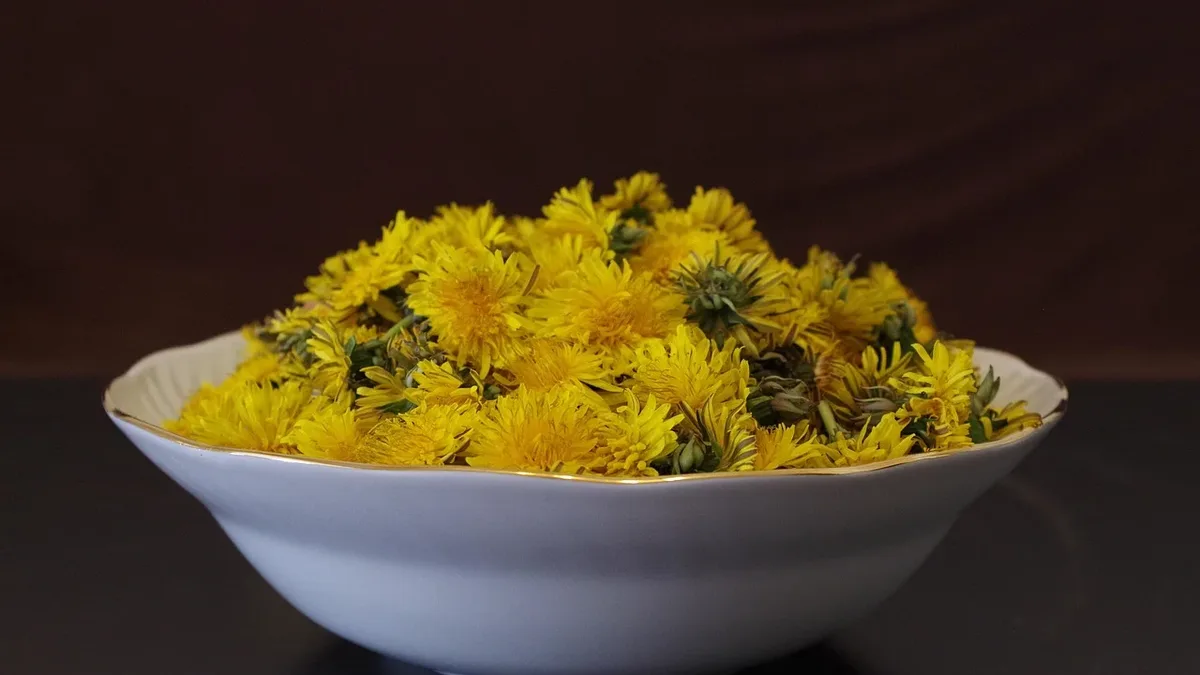
The Best Mortar and Pestle Sets for Spices, Pesto, and Curry Pastes
A thorough review of 13 mortar and pestle sets reveals the top picks for grinding spices, making pesto, and crushing ingredients. The best sets have...