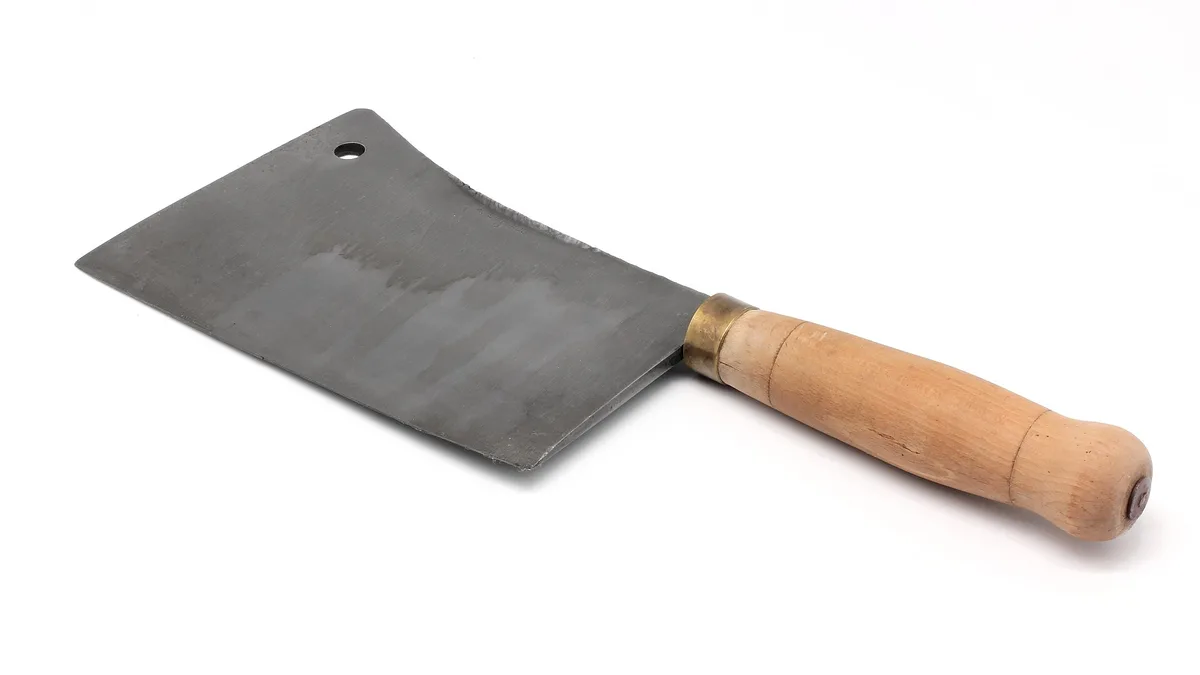
Chinese Cleaver
Origin and history
The Chinese cleaver, more accurately termed a Chinese chef's knife or *caidao*, originates from China. Its development is intrinsically linked to Chinese culinary traditions that span centuries, with its form becoming standardized during the Qing dynasty. The design evolved to suit the preparation of a cuisine that emphasizes uniform, bite-sized pieces for quick wok cooking. Unlike Western butcher cleavers, the Chinese version is primarily a slicing and chopping tool for vegetables and boneless proteins. Its widespread adoption in professional and home kitchens across China solidified its status as the essential all-purpose kitchen knife. Historical documentation and artifacts show its basic rectangular blade shape and thin grind have remained consistent for well over a hundred years.
Ingredients
A Chinese cleaver is a tool, not a dish, and therefore has no ingredients. Its construction involves specific materials. The blade is typically made from carbon steel, stainless steel, or a clad stainless steel with a carbon core. The handle is traditionally crafted from hardwoods like rosewood or pakkawood, or modern polymers. A full tang, where the blade metal extends through the handle, is common for balance and durability. Rivets secure the handle scales to the tang. The blade's geometry includes a flat heel and a gently curved belly toward the tip.
How to make it
Crafting a professional-grade Chinese cleaver is a specialized metallurgical and woodworking process not suited to home fabrication. The following outlines the general industrial and artisan steps. 1. Select and cut the chosen steel alloy to a rough rectangular blank. 2. Forge or stamp the blank to create the basic blade shape, including the tang and the bevels. 3. Heat-treat the blade through precise cycles of heating and quenching to achieve the desired hardness. 4. Temper the blade to reduce brittleness and impart toughness and flexibility. 5. Grind the blade to its final profile and thin edge geometry using a progression of abrasive belts or wheels. 6. Sand and polish the blade to the specified finish, whether a high polish or a rustic kurouchi finish. 7. Shape, fit, and securely attach the handle scales to the full tang using rivets or pins. 8. Perform the final sharpening on whetstones to establish a keen, acute cutting edge.
Variations and serving
Variations of the Chinese cleaver are defined by blade weight, height, and intended purpose. The most common is the slicer or vegetable cleaver, which is lightweight, thin-bladed, and used for precise cutting of vegetables and boneless meats. The heavier bone cleaver features a thicker, wedge-shaped blade designed for chopping through poultry bones and hard shellfish. A medium-weight all-purpose cleaver attempts to bridge these two roles but typically excels at neither. Specialized versions include the narrow-bladed *sangdao* for delicate work and the wide-bladed *piandao* for slicing cooked meats. The tool is not served; it is used to prepare ingredients in the consistent, small pieces required for stir-frying and other Chinese techniques.
Pros and cons
The primary pro of a Chinese cleaver is its versatility within its design parameters, excelling at slicing, chopping, and mincing vegetables and boneless proteins with great efficiency. Its tall blade acts as a scoop for transferring prepped ingredients from board to wok. The flat blade section is excellent for crushing garlic and ginger or tenderizing meat. A significant con is its unsuitability for many Western kitchen tasks; it is poor at rock-chopping herbs, peeling, or intricate detail work like deveining shrimp. The common mistake is using it on hard bones or frozen foods, which will chip or roll the thin edge. Users who prefer a pointed tip for piercing or a rocking motion often regret choosing it as their only knife. Its large size can be intimidating and requires a specific grip and technique to use safely and effectively.
Who it suits
This knife suits cooks who primarily prepare Chinese or other East Asian cuisines that require a high volume of uniform slicing and chopping. It is ideal for those who appreciate a single, large knife for the majority of prep work and are comfortable with a push-cut or pull-cut chopping technique. Professional chefs in Chinese kitchens are its most adept users, leveraging its design for speed and consistency. It does not suit individuals who need a general-purpose knife for a wide variety of global cooking techniques or those with very small hands who may find the handle and blade balance cumbersome. Home cooks willing to learn its specific use and maintain its broad edge will find it a highly efficient tool.
Latest Chinese Cleaver news
Latest reporting

Steak with Soy Sauce
A personal story reveals a simple Chinese American steak preparation, while a detailed guide explains how to bake a soft, fragrant pandan chiffon...
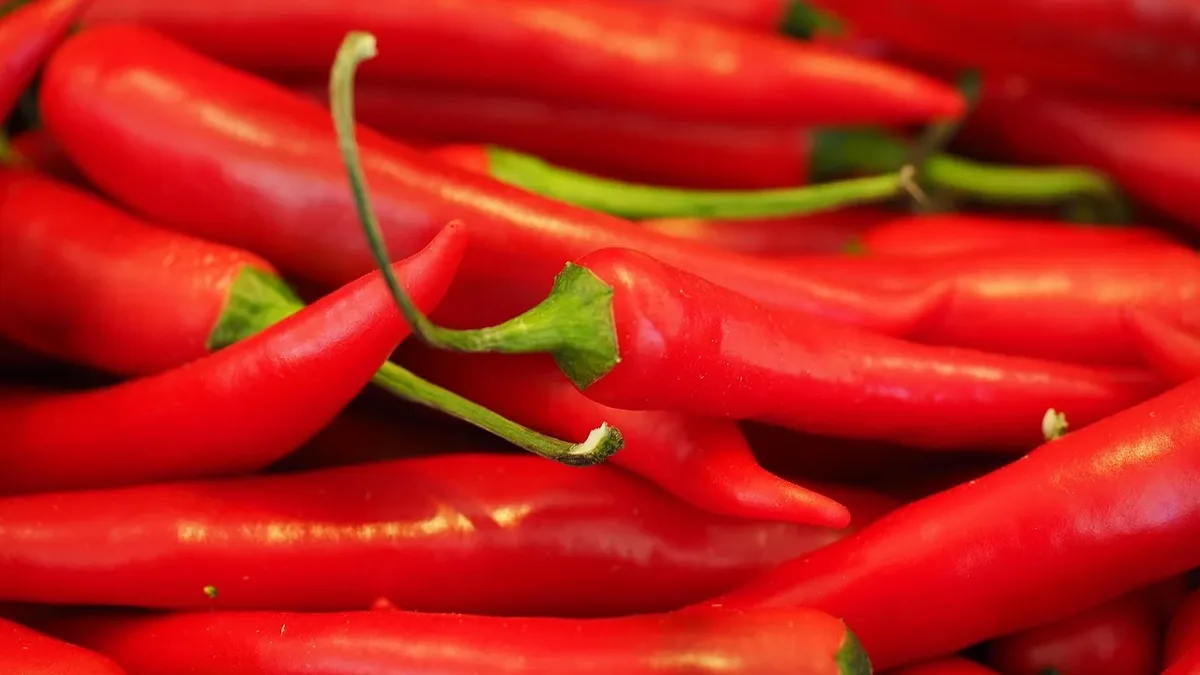
Savory Summer Pickled Chili Recipe
A recipe for quick-pickled fresh chili peppers, a savory Chinese side dish with a crispy texture, perfect for summer meals.

Crispy Chinese-Style Fried Eggplant Recipe
A recipe for crispy fried eggplant sticks seasoned with salt, white pepper, and five spice powder, using a double-fry method for maximum crunch.

Chinese Vegetable Rice - A Vegan Summer Dish
A quick, vegan-friendly Chinese Caifan recipe that pairs Tri-Color Quinoa rice with fresh Yu Choy and garlic-oil for a light, weight-loss-friendly...

Spinach Salad with Tofu Skin & Peanuts
A fresh Chinese cold dish that blends blanched spinach, tofu skin, roasted peanuts and a savory sauce. The recipe requires minimal cooking and can be...

Chinese Milk Pudding: Light, Creamy Coconut Dessert
A simple Chinese milk pudding recipe from The Woks of Life offers a lightly sweet, creamy treat that can be customized in sweetness and coating. The...