Powdered Tea Transforms Cakes, Cookies, and Custards
A baking expert advocates grinding tea leaves into a fine powder and using them as a versatile spice to add floral, malty, or citrus notes to desserts
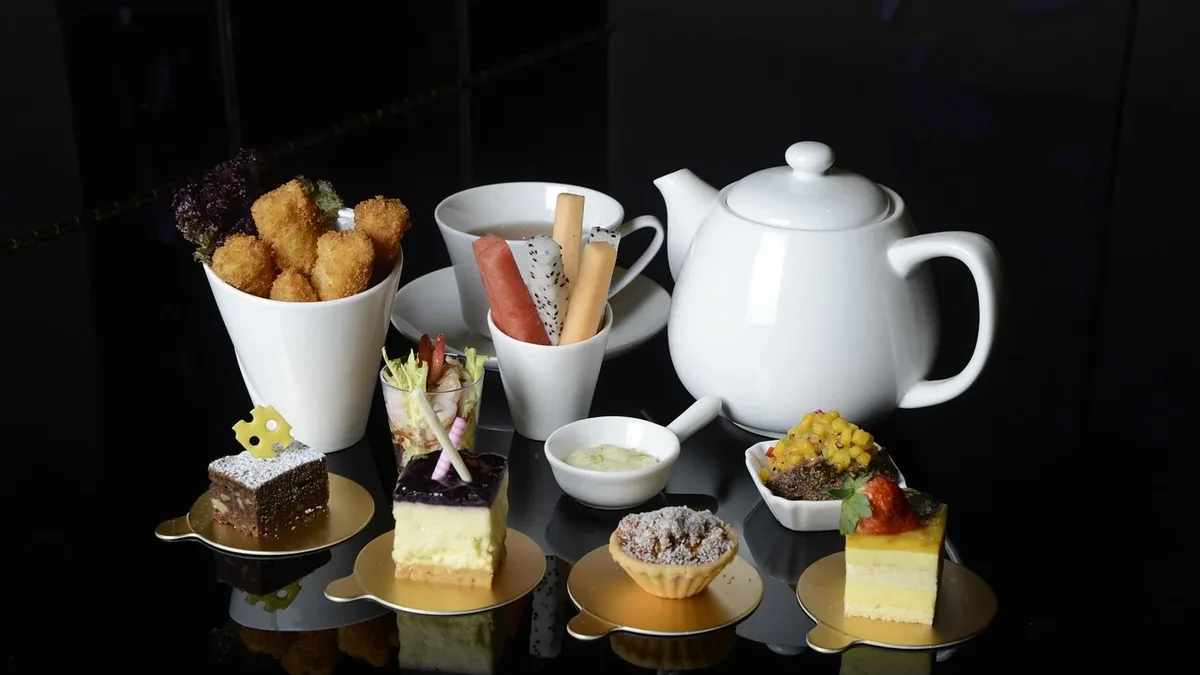
A baking writer is adding a surprising ingredient to fall desserts: finely powdered tea leaves. Treating tea like a pantry spice can impart floral lift to cakes, malty depth to oatmeal, or a citrusy perfume to ice cream.
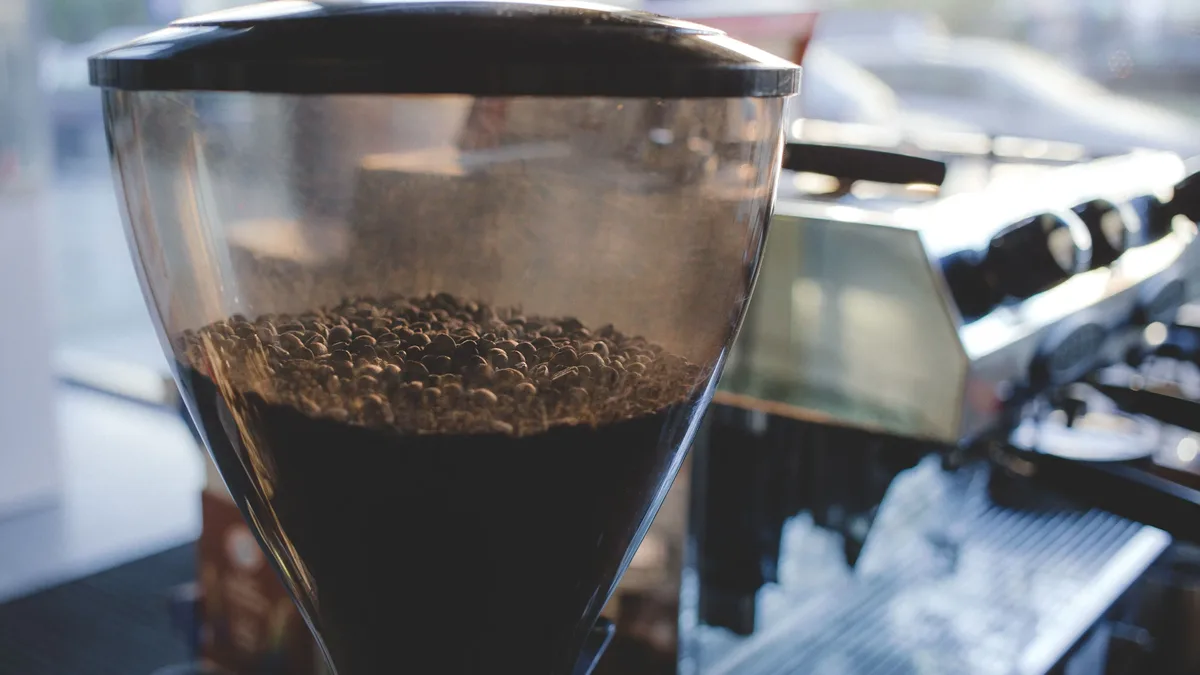
The author first experimented by blitzing fragrant jasmine tea leaves in a spice grinder and folding the powder into an orange cake batter. A tiny amount transformed the flavor, brightening the citrus with a gentle floral note. The tea's tannins added a pleasant grip that balanced the sweetness.
Using tea as seasoning is not new. Chinese cooks have smoked duck with tea leaves for centuries, and Earl Grey desserts are common. However, tea is usually steeped for infusion. The novel approach is to treat powdered tea like any other dry spice. Matcha serves as a proof of concept, having moved from teacups into cookies and tiramisu worldwide.
Why Tea Works as a Spice
Tea brings layered aromas, gentle astringency, and a broad spectrum of flavors to baking. Its natural fragrance is concentrated when ground, allowing floral, citrusy, toasty, or earthy notes to disperse evenly into doughs and batters. Tannins, the compounds that give black tea its mouth-puckering quality, balance sweetness in desserts. They add structure and prevent rich flavors from becoming cloying. With hundreds of varieties, tea can echo familiar flavors, such as using nutty oolong in place of toasted nuts.
Practical Applications and Recipes
Each powdered tea offers something different for everyday recipes. The source provides several specific applications.
For a citrus cake, fold about half a teaspoon of powdered jasmine tea into the batter. The result is bright citrus wrapped in a floral perfume. Stir a teaspoon of powdered English breakfast tea into a baked oatmeal mix before baking for a malty, roasted depth.
Whisk powdered Earl Grey into a classic custard base for ice cream. The black tea adds gentle tannins that cut through the richness, while bergamot lends a citrusy lift. For butter cookies, mix finely ground oolong into a classic shortbread or butter cookie dough. Its woody aroma adds warmth and complexity.
Fold ground hojicha, a roasted green tea, into a stovetop pudding. Its roasted flavor mimics coffee or caramel. You can also make a tea-infused syrup by simmering equal parts sugar and water, then stirring in finely ground tea until dissolved. Strain it well for soaking sponge cakes or cocktails.
Technique and Final Touches
The essential technique is grinding the tea leaves into a very fine powder, similar to a spice. For a cocktail rim, grind the tea almost to a dust, then mix it with sugar or salt. Try jasmine sugar on a gin fizz or Earl Grey salt on a whiskey sour. The author concludes that cooking with tea feels both inventive and intuitive, questioning why it should be left only to the teapot when it belongs on the spice rack.