Recipe Developer's Go-To Affordable Olive Oil
A professional recipe developer shares her favorite affordable, everyday olive oil, a fruity and peppery extra-virgin variety she uses for all cooking.
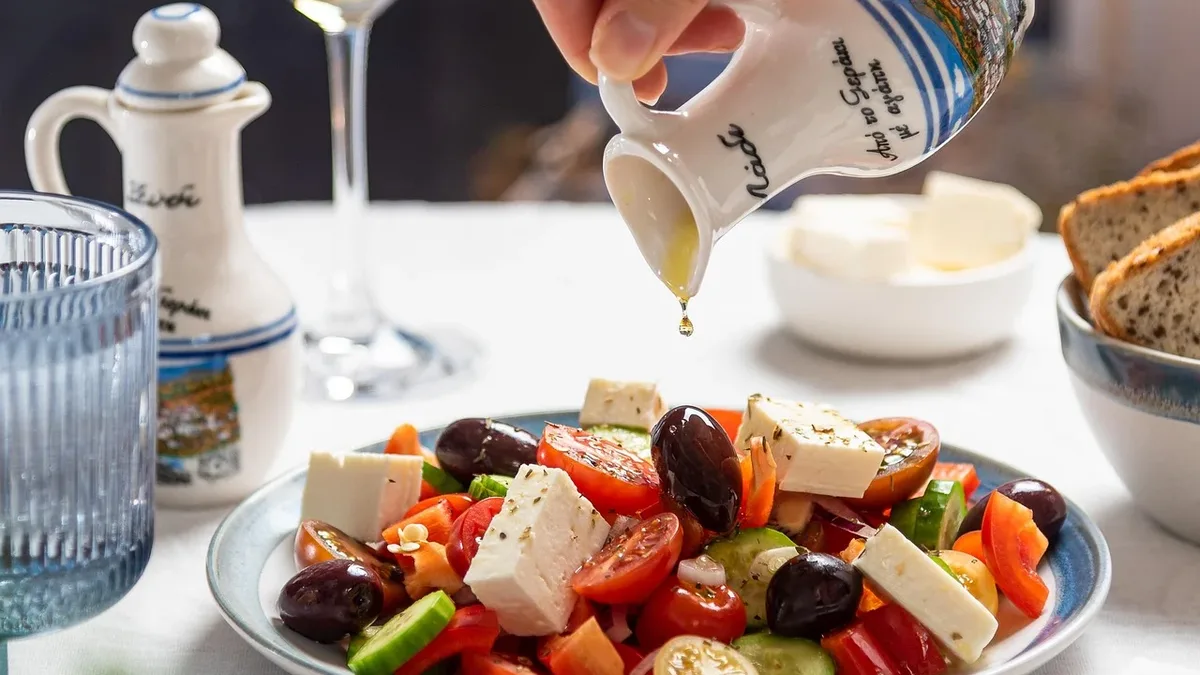
A recipe developer's favorite everyday olive oil is Nablus Olive Oil, an extra-virgin oil she buys in three-liter jugs for about $37 to $50. She describes it as fruity, gently bitter, and peppery, with enough character for finishing but a price low enough for free use in sautéing, frying, and roasting.
Growing up in Jordan, olive oil was a staple used with casual abundance, not a precious ingredient saved for special occasions. Her family of five would go through large tins of oil quickly, using it for everything from frying eggs to dressing salads. This ingrained habit continues in her Brooklyn kitchen, where working as a food editor means she goes through oil even faster. She refuses to compromise, wanting an oil both inexpensive and flavorful.
Why This Oil Works for Cooking
For daily use, she does not need the assertive bitterness of a finishing oil. She seeks freshness, fruitiness, and a balanced peppery lift. Nablus Olive Oil hits this register, making it suitable for frying eggs, sautéing onions, roasting vegetables, and making vinaigrettes. She dismisses the myth that extra-virgin olive oil cannot handle high heat, citing editorial testing that confirms its stability for sautéing, searing, and frying. While heat diminishes some volatile aromatics and softens pungency, she insists starting with a good-tasting oil still matters because enough of its character survives the cooking process.
Sourcing and Background
The developer discovered Nablus Olive Oil in Middle Eastern grocery stores in New York City. The name resonated because her grandmother once lived in Nablus, a Palestinian city in the West Bank famous for olive cultivation. The oil sold under this brand in the U.S. is currently labeled as a product of Lebanon and imported by New Jersey-based Baroody Imports. The brand has been in use since at least 1987. While the name draws on a place deeply associated with olives, the bottle is not currently labeled as Palestinian-grown.
Where to Find and How to Store
Nablus Olive Oil is commonly stocked at Middle Eastern grocery stores across the country and is widely available online. It is sold in a clear, three-liter jug containing just over 100 fluid ounces. At this size, the price works out to roughly 40 to 50 cents per fluid ounce. For someone who uses oil generously, this represents a good value for a quality extra-virgin olive oil. She stores her large jug in a cool, dark place and decants it into a smaller bottle for daily use.
The Case for Cavatappi in Mac and Cheese
While elbow macaroni is the classic choice for mac and cheese, many food writers and recipe developers argue it is not the best shape. A panel of eight culinary professionals, including cookbook authors, chefs, and recipe developers, expressed a clear preference for cavatappi pasta.
Cavatappi is a hollow tube twisted into a loose corkscrew, usually with ridges. Its spiral shape, ridges, and hollow center give cheese sauce numerous places to cling. "It's basically elbow macaroni on steroids," joked one cookbook author. In contrast, elbow pasta is smoother and less textured, offering sauce fewer places to hold. Its small size also makes it easy to overcook.
The experts highlighted several advantages of cavatappi. Its structure ensures each forkful feels full and rich, delivering more cheese in every bite. The longer, squiggly shape is easier to scoop and provides more textural interest. When baked, some ends poke through the casserole surface, becoming extra crisp and browned. The shape also holds up better during reheating compared to more fragile elbows or shells, especially if cooked slightly under al dente. While medium shells are a popular runner-up for their sauce pockets, one developer noted cavatappi provides a better sauce-to-pasta ratio and retains its firmness more reliably, making it forgiving for busy cooks.