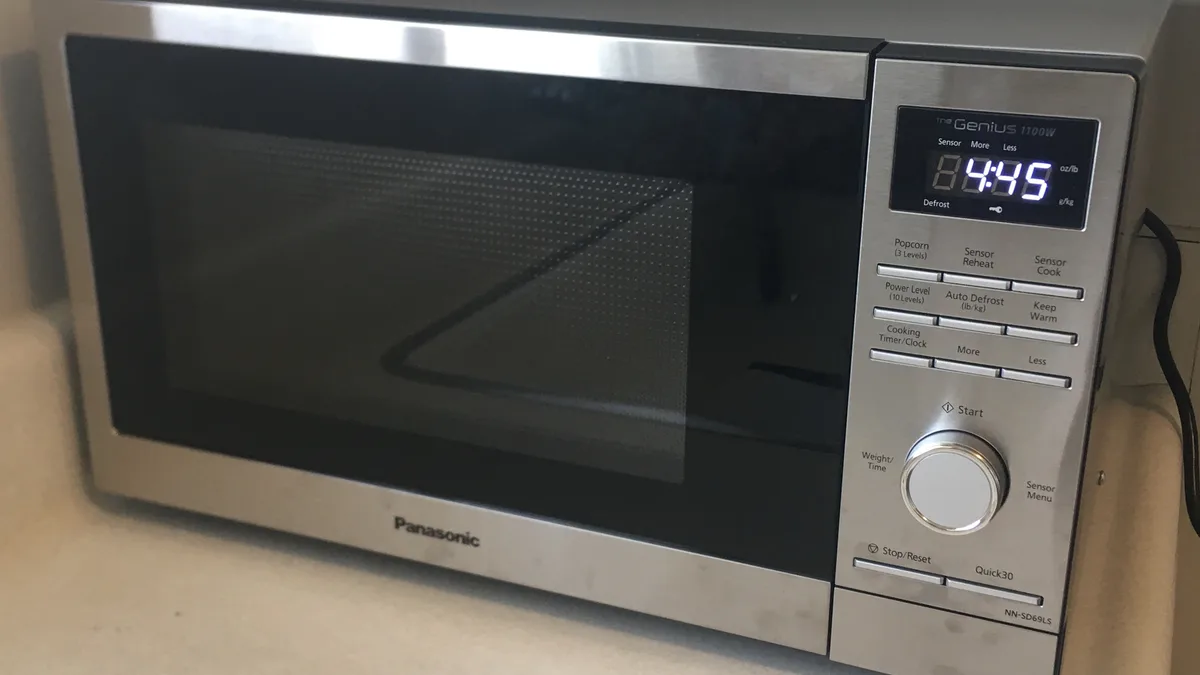
Baking Without An Oven
Origin and history
The technique of baking without an oven is not attributable to a single origin, as it is a foundational global practice predating the widespread use of built ovens. Its history is deeply rooted in necessity and resourcefulness across many ancient civilizations. In regions like the Indian subcontinent, the use of the *tandoor*, a cylindrical clay oven, for baking breads like naan dates back millennia, though this is a dedicated oven. True oven-less methods often involved cooking dough on heated stones or in ashes. During the 19th century, the Dutch oven, a heavy pot used with coals, became a staple for pioneers and travelers needing to bake bread over an open fire. The mid-20th century saw the popularization of electric countertop appliances like sandwich makers and waffle irons, which perform a baking function. The concept continues to evolve with modern gadgets like air fryers and multi-cookers that bake using convection or radiant heat.
Ingredients
The ingredients for baking without an oven are identical to those used for conventional baking, with the specific recipe dictating the list. For a basic bread or cake, core ingredients typically include all-purpose flour. Leavening agents such as baking powder, baking soda, or yeast are essential for rise. A binding agent like eggs is common in many recipes. Liquids, including water, milk, or buttermilk, are required to form the dough or batter. Fat, in the form of butter, oil, or shortening, provides tenderness and flavor. Sweeteners like granulated sugar or honey are used for sweet baked goods. Salt is a critical ingredient to balance and enhance overall flavor. Flavoring extracts, such as vanilla or almond, are optional additions. Add-ins like chocolate chips, nuts, or dried fruit can be incorporated based on the desired outcome.
How to make it
- Select your oven-less cooking appliance, such as a stovetop pot, an electric skillet, an air fryer, a multi-cooker, or a sandwich press, and ensure it is clean and ready for use. 2. Prepare your dough or batter exactly as you would for traditional oven baking, following your chosen recipe's instructions for mixing dry and wet ingredients. 3. Preheat your chosen appliance if necessary; for a stovetop Dutch oven, this means heating the empty pot with its lid on over a low-medium flame for several minutes. 4. Grease or line the cooking surface of your appliance to prevent sticking, using butter, oil, or parchment paper as appropriate for the device and recipe. 5. Carefully transfer your dough or batter into the cooking vessel, such as placing bread dough into the preheated Dutch oven or pouring cake batter into a greased multi-cooker insert. 6. Apply heat according to your appliance's method; for a stovetop, this often means cooking covered on low heat, and for an electric device, setting a specific temperature and timer. 7. Avoid frequently opening the lid to check, as this releases crucial steam and heat, significantly increasing the cooking time and risking a collapsed product. 8. Test for doneness using the same indicators as oven baking, such as a toothpick inserted into the center coming out clean or the top sounding hollow when tapped. 9. Once fully cooked, carefully remove the baked good from the appliance and allow it to cool on a wire rack to prevent sogginess from residual steam.
Variations and serving
The variations are extensive, limited primarily by the capacity and function of the chosen cooking appliance rather than the technique itself. Simple flatbreads like tortillas or chapatis are classic stovetop variations, cooked directly on a griddle or *tawa*. Dense cakes, such as gingerbread or banana bread, adapt well to being steamed in a pot or cooked in a multi-cooker on a "bake" setting. Savory items like cornbread or frittatas can be successfully baked in a covered skillet on the stovetop or in an air fryer. Serving suggestions follow the nature of the baked item; bread is served warm with soups or stews, while cakes are cooled and frosted. Individual portions are easily achieved with devices like a waffle iron for waffles or a sandwich press for pie iron pizzas. The technique also allows for global adaptations, such as making *roti* on a griddle or baking a *clafoutis* in a covered frying pan.
Overview
Baking without an oven is a practical cooking technique that replicates the dry, convective heat of an oven using alternative appliances and heat sources. The core principle involves creating a contained, evenly heated environment to set the structure of dough or batter through the Maillard reaction and starch gelatinization. Success is entirely dependent on managing heat application and steam retention within the chosen vessel, whether it is a lidded pot on a hob or a countertop electric appliance. This method is not a mere substitute but a distinct approach with its own set of parameters and adjustments for time and temperature. It proves that baking is a process defined by chemical and physical reactions, not solely by the piece of equipment called an oven. The technique democratizes baking for those without conventional ovens while offering experienced bakers a novel set of challenges and results.
What to know
The single most critical factor is understanding that your appliance must be able to provide consistent, enveloping heat from all sides, which is why lidded pots and dedicated countertop bakers are effective. You must significantly adjust your expectations for browning, as many methods, particularly stovetop steaming, will produce a paler crust than a conventional oven. Moisture management is paramount; too little steam and the product dries out or forms a hard crust too early, while too much can make it soggy. The baking time is not directly transferable from an oven recipe and requires vigilant testing, as heat transfer differs dramatically in a thick pot versus an air fryer's basket. The size and shape of your baking vessel must correspond to the capacity of your alternative appliance; a standard loaf pan will not fit in most air fryers. Always use oven mitts, as handles and lids of pots used on stovetops become extremely hot and retain heat longer than oven racks.
Common questions
Can I use any regular oven recipe for baking without an oven? Not all recipes translate directly, and recipes designed for slow cookers, air fryers, or stovetops are more reliable starting points. What is the best appliance for baking bread without an oven? A heavy lidded Dutch oven on the stovetop or in a barbecue is highly effective, as is a multi-cooker with a "bake" function. Why did my cake turn out dense and gummy? This is typically caused by insufficient heat, failing to preheat the cooking vessel, or opening the lid too often during the crucial early cooking phase. Is it possible to achieve a crispy crust? A crispy crust is challenging but possible with methods that allow moisture to escape, like in an air fryer, or by finishing the item uncovered in a dry skillet. How do I know what temperature to set on my electric skillet? Start with a medium-low setting and be prepared to adjust; it is often a process of trial and error as thermostat accuracy varies. Can I make pastry using this technique? Shortcrust pastry is difficult, but cooked pie fillings can be topped with biscuit dough and steamed in a pot for a cobbler-style dessert.
Pros and cons
The primary advantage is accessibility, allowing people in small living spaces, dormitories, or during power outages to produce baked goods. It can also be energy-efficient, as heating a small countertop appliance or a pot on a single burner often uses less electricity than preheating a full-sized oven. Certain methods, like steaming in a pot, can yield exceptionally moist and tender crumb structures difficult to achieve in a dry oven. The most significant drawback is the lack of consistent, controllable ambient heat, leading to frequent hotspots, uneven baking, and a general unreliability that frustrates beginners. Browning is often inadequate or uneven, resulting in pale, visually unappealing products that lack the complex flavors developed by the Maillard reaction in a proper oven. The common mistake that leads to regret is attempting a complex or delicate bake, like a soufflé or laminated pastry, without accepting the severe limitations of the technique, resulting in wasted ingredients and effort.
Who it suits
This technique suits pragmatic home cooks who lack a conventional oven but possess the patience to experiment with time and heat adjustments on their available appliances. It is ideal for outdoor enthusiasts and campers who wish to bake bread or desserts over a fire using a Dutch oven as part of their culinary repertoire. Individuals living in compact urban apartments with limited kitchen space may find dedicated countertop bakers or multi-cookers a worthwhile space-saving alternative to a full oven. It appeals to experienced bakers interested in the technical challenge of manipulating heat transfer and steam dynamics in a constrained environment to understand baking fundamentals more deeply. The method is not well-suited for perfectionists or those baking for special occasions where precise visual results and traditional textures are non-negotiable requirements. It also does not suit cooks unwilling to monitor the process closely, as the margin for error is smaller than with a set-and-forget conventional oven.
Latest Baking Without An Oven news
Latest reporting
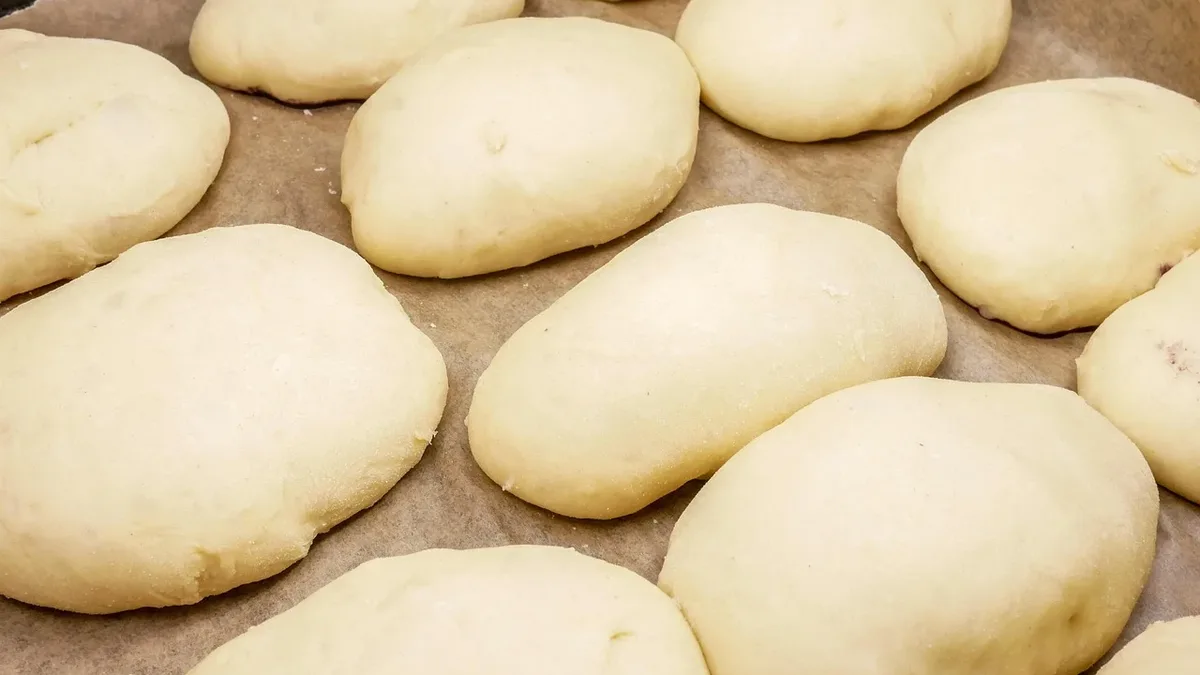
Nordic Ware Named Best Baking Sheet After Cookie and Potato
Serious Eats tested multiple half-sheet pans, baking over three pounds of cookies and 160 potato wedges. The Nordic Ware Naturals Baker's Half Sheet...
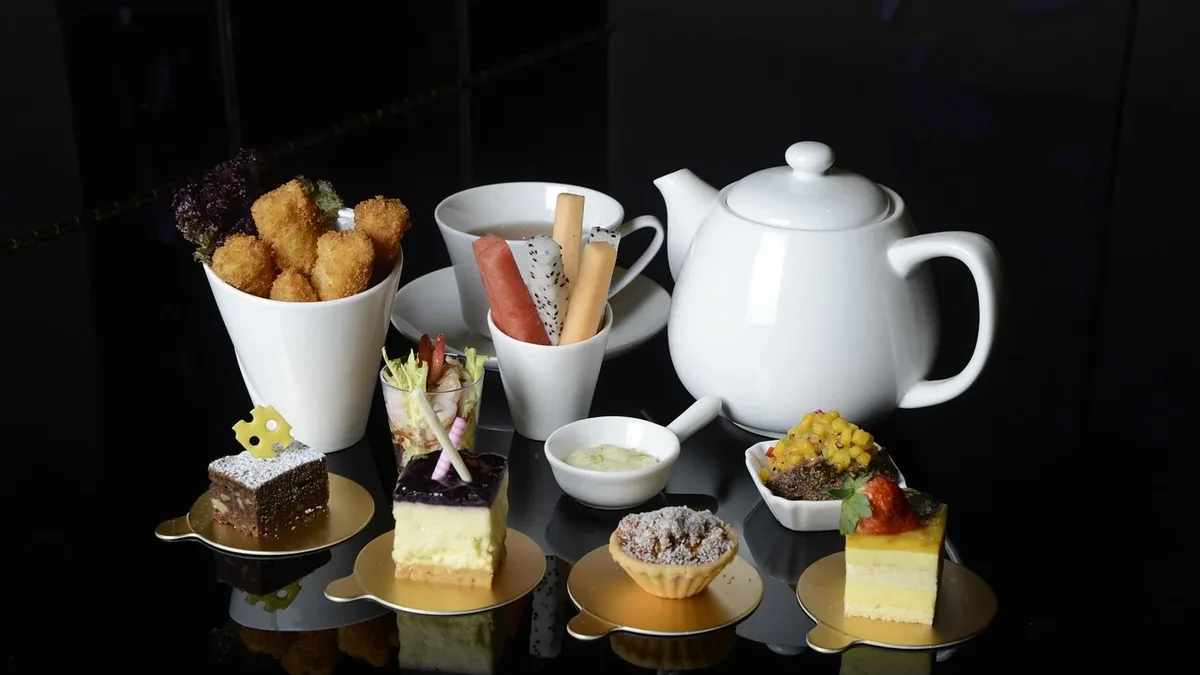
Powdered Tea Transforms Cakes, Cookies, and Custards
A baking expert advocates grinding tea leaves into a fine powder and using them as a versatile spice to add floral, malty, or citrus notes to desserts
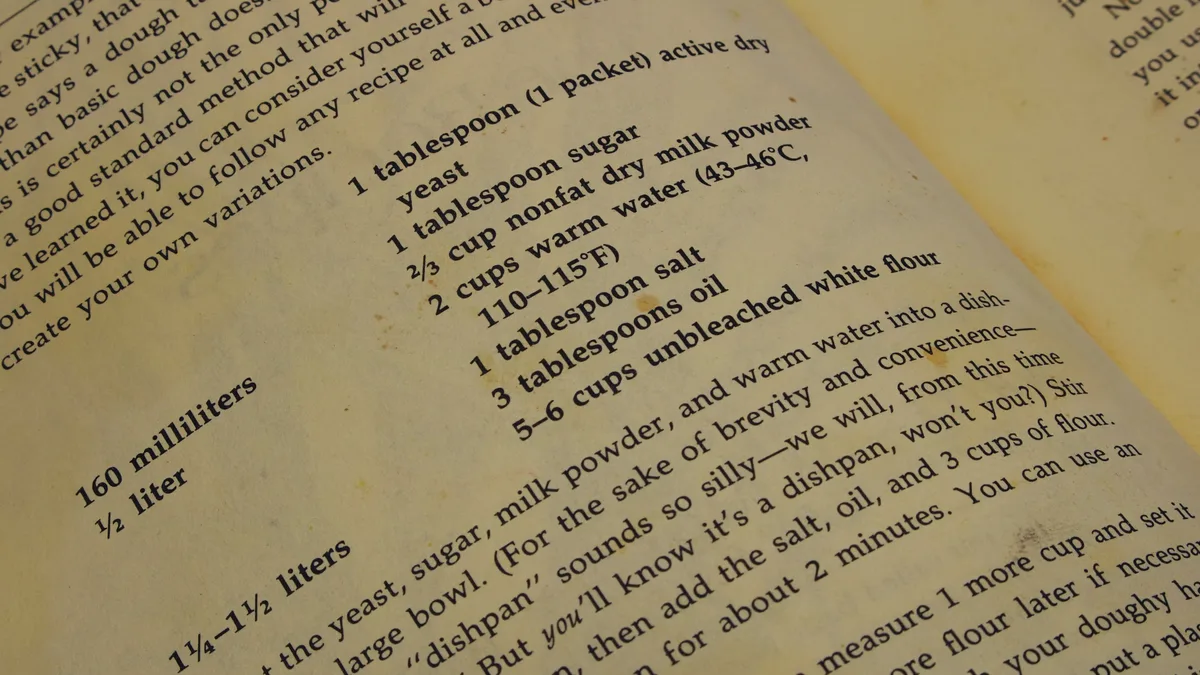
Expert Picks: The Best Baking Cookbooks for Technique
A Serious Eats pastry expert recommends essential baking cookbooks, focusing on titles that teach foundational techniques and the science behind...
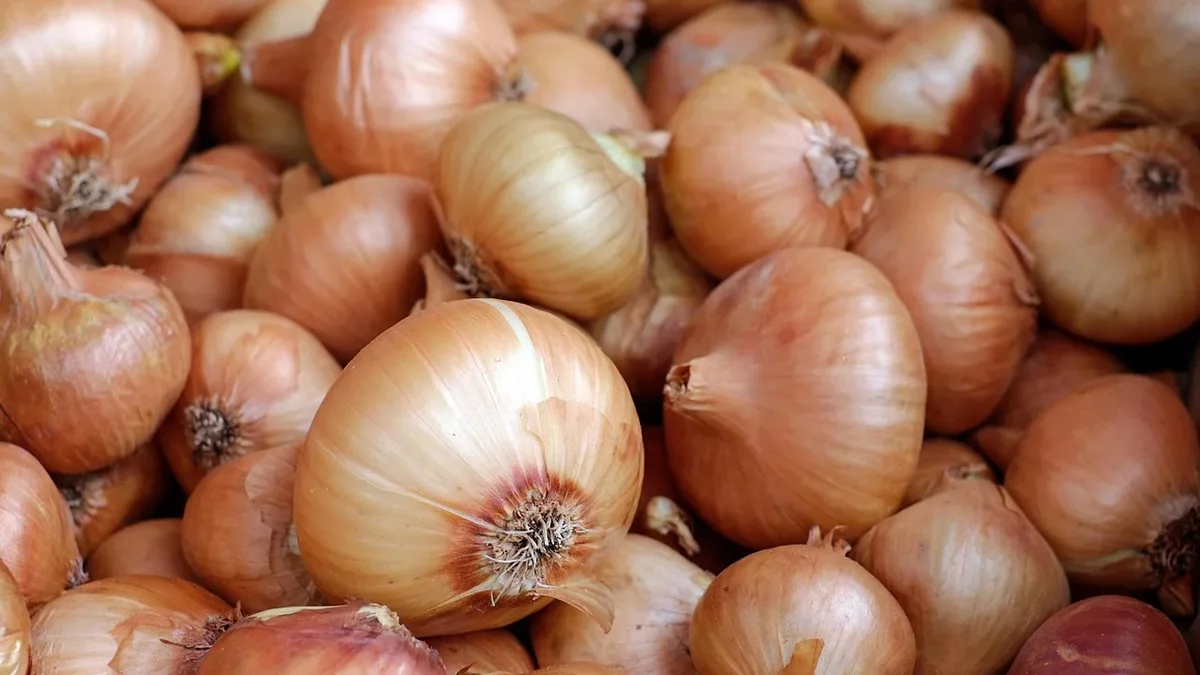
Baking soda speeds up onion browning
Adding a small amount of baking soda to onions as they cook can cut browning time almost in half.
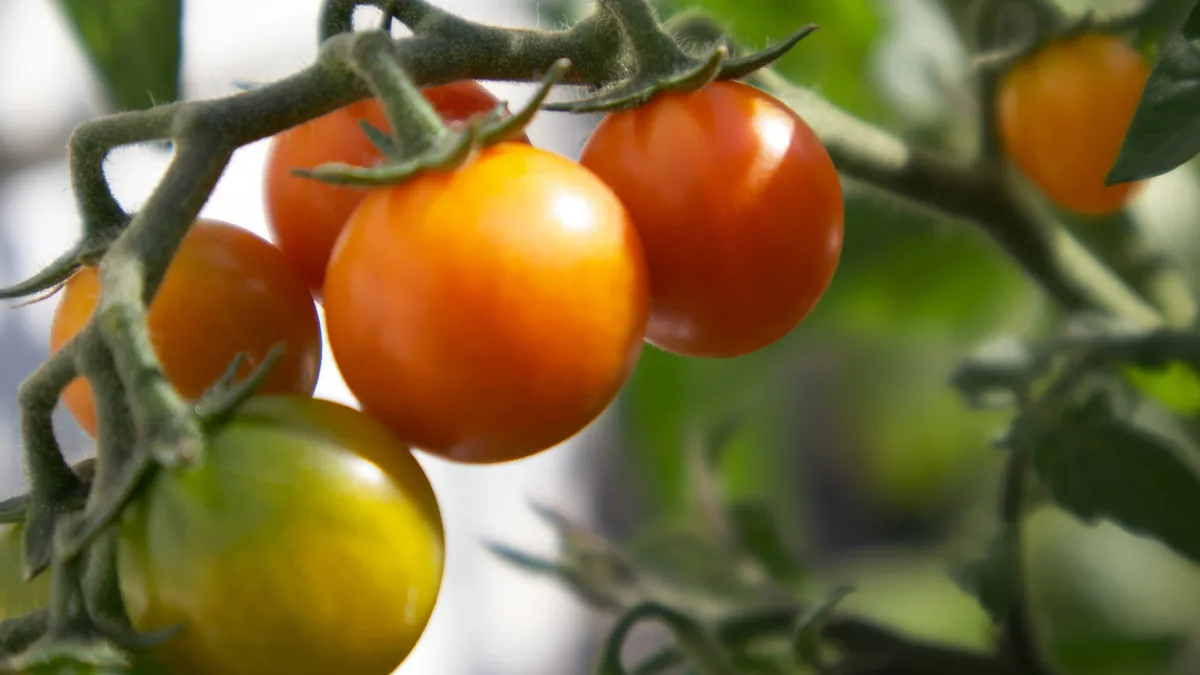
Sungold Tomato: A Japanese Reject's US Rise
The Sungold cherry tomato, bred in Japan in the 1980s but rejected there, became a US and UK favorite for its sweet flavor and easy growth without any
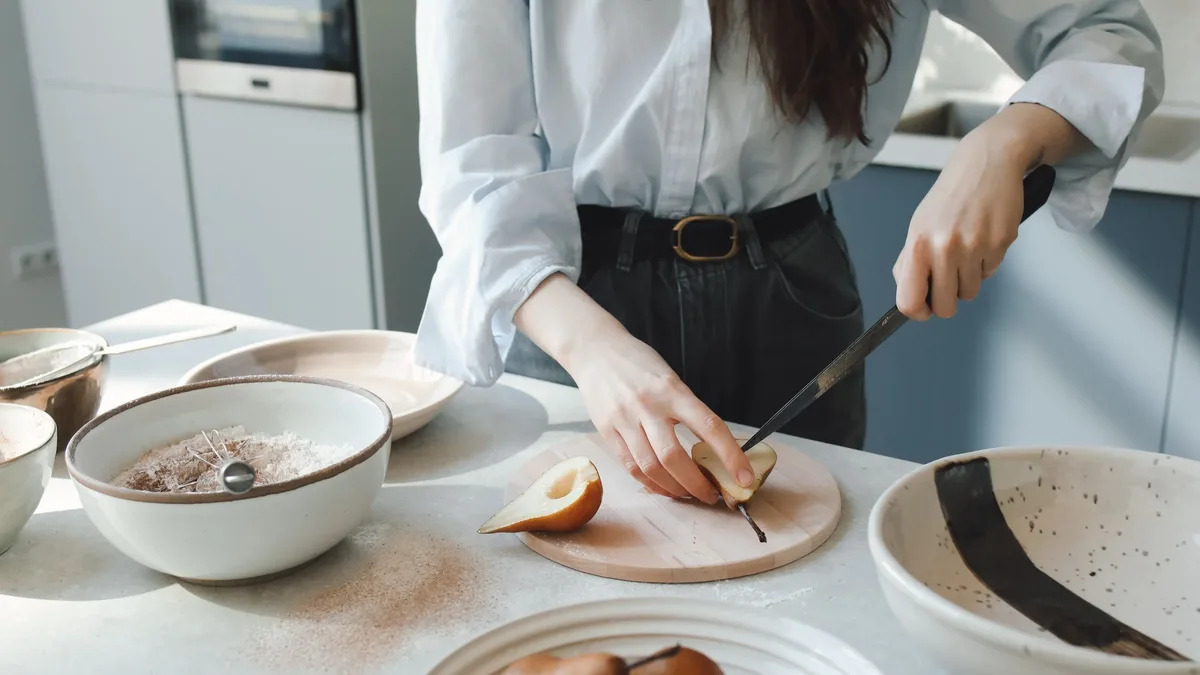
Unlock Your Oven's Broiler for Fast
The broiler is a powerful but often overlooked kitchen tool that can crisp, brown, and reheat food in minutes.