Fish Sauce
| Primary ingredient | Fish and salt |
|---|---|
| Processing method | Fermentation |
| Primary producing countries | Southeast Asia |
| Flavor profile | Salty, savory, umami |
| Original use | Condiment and preservative |
| Appearance | Thin, translucent brown liquid |
| Shelf life (unopened) | Several years |
Origin and history
Fish sauce originates from Southeast Asia, with its production and use documented for over two millennia. The earliest evidence points to ancient civilizations in the coastal regions of modern-day Vietnam and Thailand. Historical records indicate similar fermented fish condiments were used in the Roman Empire, known as garum, but the Southeast Asian tradition is distinct and continuous. Its development was a practical method for preserving protein in a hot climate where refrigeration did not exist. The technique spread throughout the region, becoming a fundamental ingredient in the cuisines of Vietnam, Thailand, Cambodia, Laos, and the Philippines. The basic process has remained largely unchanged for centuries, relying on fermentation and time to transform salted fish into a flavorful liquid.
Ingredients
Anchovies Salt Water Sometimes: Small amounts of sugar (as a fermentation aid) Occasionally: Other small, oily fish like mackerel or sardines
How to make it
- Clean fresh, small fish, typically anchovies, thoroughly. 2. Layer the fish and a high proportion of sea salt in a large fermentation vessel, using approximately a 3:1 or 4:1 ratio of fish to salt by weight. 3. Press the mixture with a heavy weight to compact it and expel air, creating an anaerobic environment. 4. Seal the vessel and allow it to ferment at ambient tropical temperatures for a period ranging from several months to two years. 5. Periodically check the vessel and drain the liquid that seeps out of the fermenting fish mass; this first extraction is the highest grade of fish sauce. 6. The solid residue may be mixed with water and salt for a second, lighter fermentation to produce a lower-grade sauce.
Variations and serving
The primary variations are defined by the grade, which depends on the length of fermentation and the number of extractions. The first extract, often labeled "first press" or "nước mắm nhỉ" in Vietnamese, is the most potent and expensive. Regional variations exist, such as Thai nam pla, Vietnamese nước mắm, and Filipino patis, which differ slightly in preferred fish species, salt ratios, and sometimes the inclusion of roasted rice or pineapple in the ferment. It is almost never consumed alone as a condiment but is used as a foundational seasoning in cooking. It forms the base for numerous dipping sauces when combined with lime juice, sugar, garlic, and chili. Its role is to provide a deep, savory, umami backbone to soups, curries, stir-fries, and marinades without imparting a overtly fishy taste when used correctly.
Pros and cons
It integrates seamlessly into many recipes, creating a complex savory foundation that is difficult to achieve with other ingredients. A significant con is its potent aroma in the bottle, which can be off-putting to the uninitiated and can ruin a dish if used with a heavy hand. The common mistake is using too much, which overwhelms a dish with a harsh saltiness and fishy flavor rather than enhancing it. People who dislike strong, fermented flavors or who are sensitive to salt often regret its inclusion. Quality varies dramatically, with cheaper versions often containing additives like hydrolyzed wheat protein and MSG, which can create a one-dimensional, harsh taste compared to the balanced complexity of a traditionally fermented product.
Who it suits
Fish sauce suits cooks seeking to build authentic, deep savory flavors in Southeast Asian cuisines, where it is indispensable. It is well-suited for individuals who appreciate umami-rich ingredients like soy sauce, anchovies, or mushrooms and wish to expand their pantry. It is a valuable tool for home cooks looking to add a layer of complexity to salad dressings, braises, or even non-Asian dishes like stews or meatloaf in small quantities. It does not suit individuals with fish allergies, those on strict low-sodium diets, or anyone averse to strong-smelling ingredients. Beginners to using fish sauce should start with small amounts in cooked applications, as heat mellows its aroma, rather than in cold raw preparations where its character is most pronounced.
Latest Fish Sauce news
Latest reporting

Steak with Soy Sauce
A personal story reveals a simple Chinese American steak preparation, while a detailed guide explains how to bake a soft, fragrant pandan chiffon...
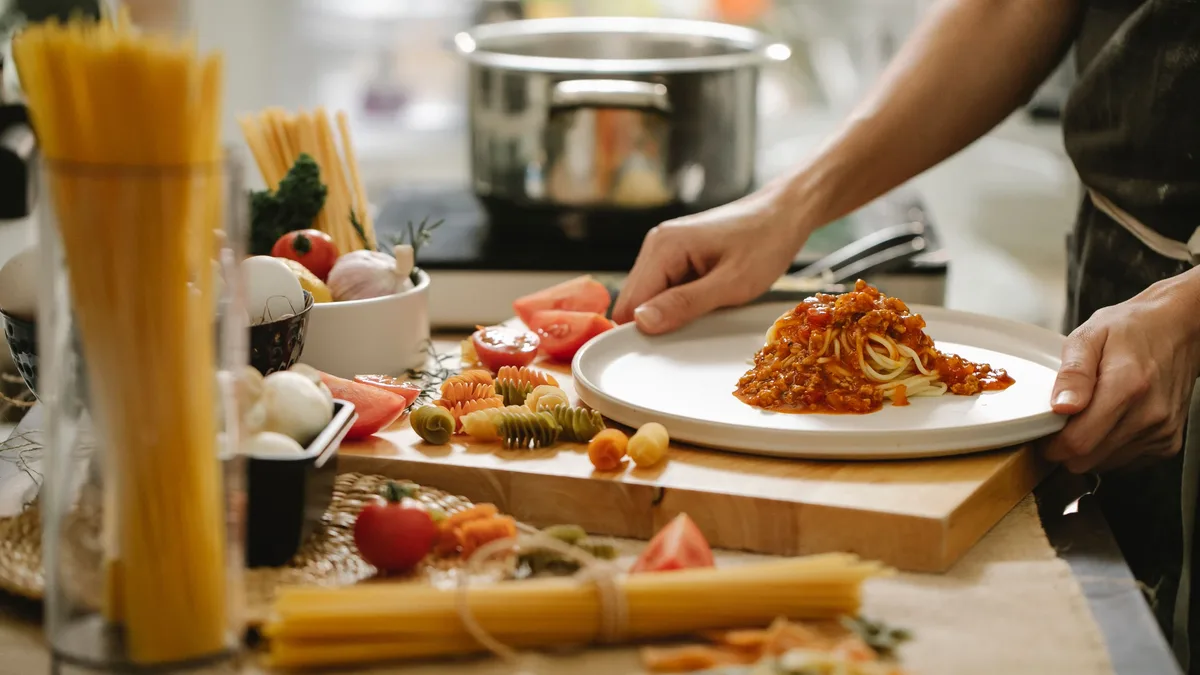
Kaitlin's Spaghetti Bolognese Recipe
A recipe developer shares her perfected meat sauce technique, while a collection shows quick Indian dishes with slow-cooked flavor.
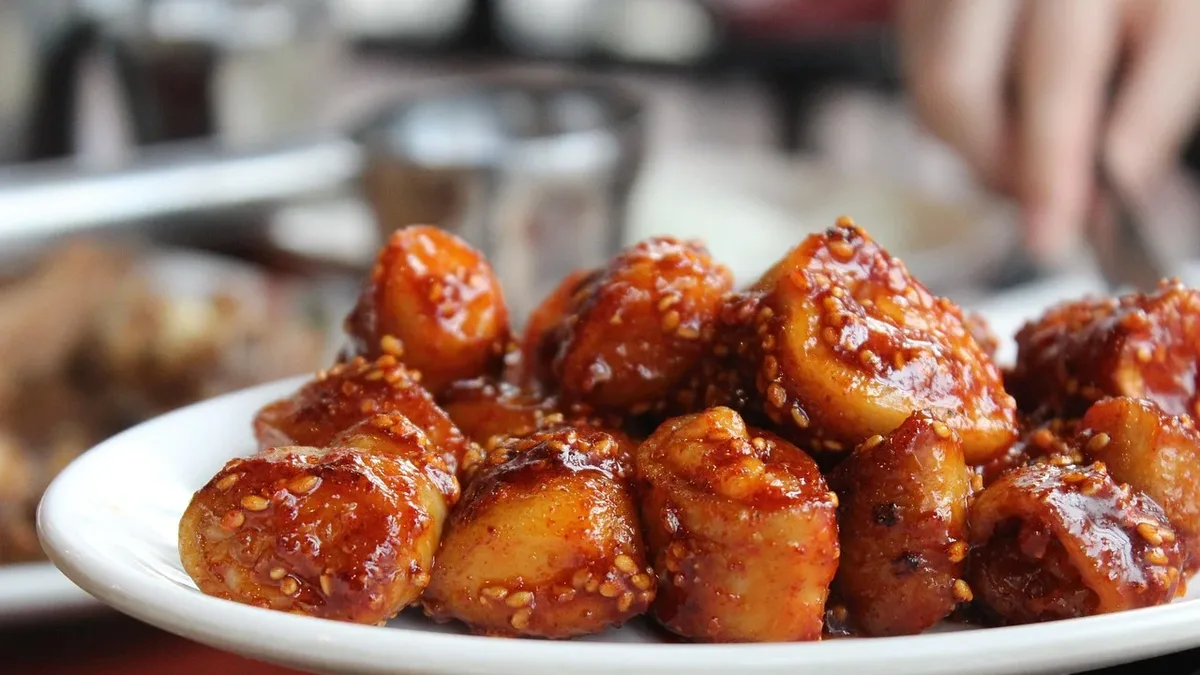
Sesame Chicken Recipe for a Crispy Takeout Favorite
The Woks of Life shares a recipe for homemade sesame chicken, promising more meat and a balanced sauce. The key technique is double-frying for a...
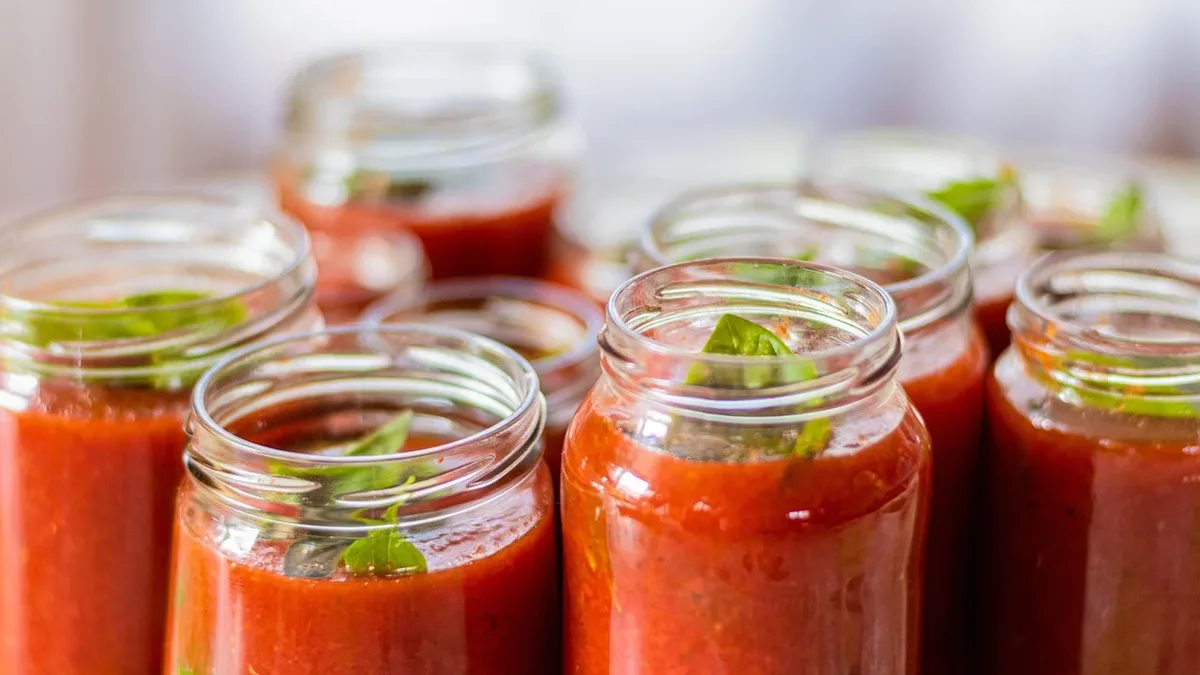
10 Ways to Upgrade Jarred Tomato Sauce
Serious Eats outlines techniques to enhance store-bought pasta sauce, from adding alliums and herbs to enriching with dairy.
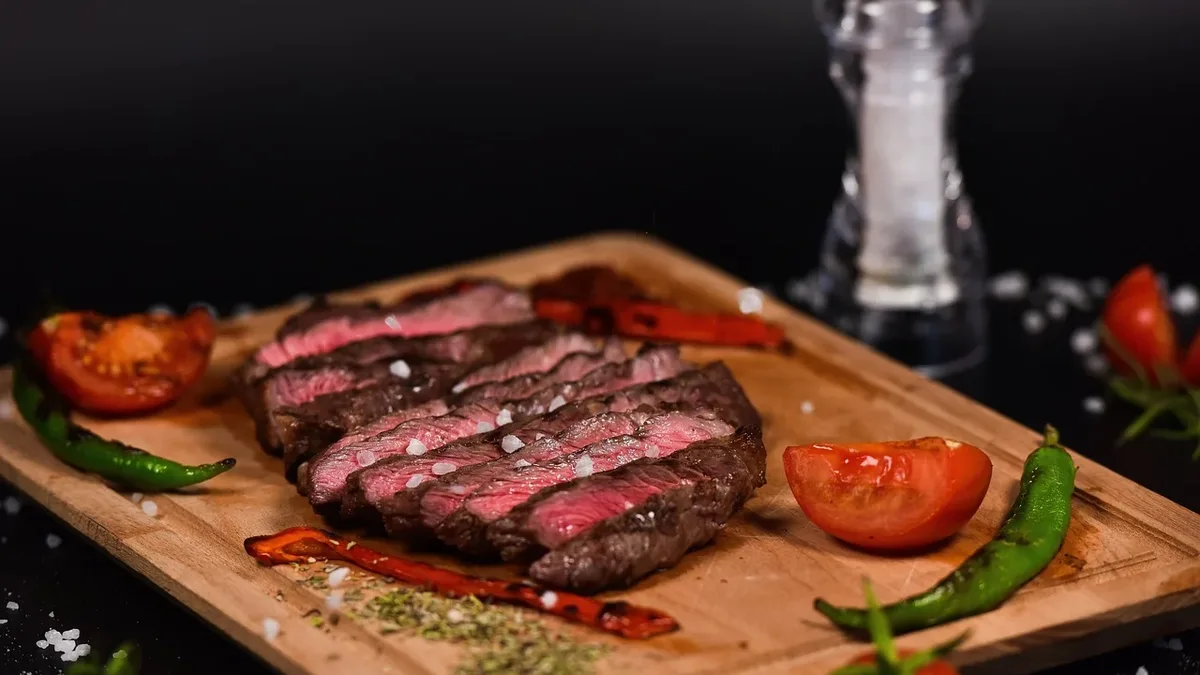
Pink Peppercorns Add Fruity Floral Pop to Meat and Fish
Pink peppercorns, the berries of South American pepper trees, offer a floral, fruity, and mildly peppery flavor ideal for rubs, garnishes, and...
Tonpeiyaki: The Foldable Omelette Technique
Tonpeiyaki is a soft omelette with pork and cabbage, topped with okonomi sauce and mayo. Its foldable texture comes from potato starch mixed into the...