Dum Cooking
| Dish | Steamed dish |
|---|---|
| Key principle | Gentle, sealed steaming |
| Heat level | Low to medium |
| Vessel | Lidded pot or casserole |
| Seal | Tight-fitting lid, sometimes sealed with dough |
| Purpose | Retain moisture and natural juices |
| Texture result | Tender, succulent |
Origin and history
Dum cooking is a slow-cooking technique originating from the Indian subcontinent, with its roots deeply embedded in Mughlai cuisine. The method was developed and refined in royal kitchens during the height of the Mughal Empire, primarily in the 16th and 17th centuries. The term "dum" derives from the Persian word "dum-pukht," meaning "to breathe in" or "to cook in steam," which describes the process of sealing a pot to trap steam. This technique was designed to maximize the flavor and tenderness of meats by using slow, gentle heat over a prolonged period. Historical accounts suggest it was a favored method for preparing elaborate dishes for feasts and celebrations, allowing large quantities of food to be infused with complex spice profiles. Its principles have been passed down through generations and remain a cornerstone of many traditional Indian, Pakistani, and Bangladeshi culinary practices.
Ingredients
The core ingredients for a classic dum-cooked meat dish, such as Dum Gosht or Dum Biryani, are consistent and fundamental to the technique. Aromatic whole spices are essential, including bay leaves, green and black cardamom pods, cloves, and cinnamon sticks. Ground spices like coriander, cumin, turmeric, and red chili powder form the base of the marinade and gravy. Fresh aromatics such as onions, garlic, ginger, and green chilies are indispensable. Yogurt is used both as a tenderizing agent in marinades and to provide a creamy base for the sauce. The primary protein is typically goat meat, lamb, or chicken, chosen for its ability to withstand long cooking without disintegrating. Basmati rice is a critical component for dum biryanis, prized for its long grains and fragrance. Fresh herbs like mint and cilantro are layered for freshness, and saffron or kewra water provide the final aromatic touch. Ghee or cooking oil is used for frying and sealing the pot.
How to make it
- Marinate the meat thoroughly in a mixture of yogurt, ground spices, ginger-garlic paste, and salt for several hours or overnight. 2. Par-cook the meat by searing it in hot oil or ghee to develop color, then simmering it partially in its own marinade with added water to create a rich gravy base. 3. For biryanis, parboil basmati rice with whole spices until it is approximately 70% cooked, then drain it completely. 4. In a heavy-bottomed pot with a tight-fitting lid, begin layering: start with a base of the meat and gravy, followed by a layer of parboiled rice. 5. Sprinkle fried onions, fresh herbs, saffron-infused milk, and ghee between the layers, repeating until all ingredients are used, finishing with a top layer of rice. 6. Seal the pot completely by placing rolled dough along the rim before clamping the lid down, or by using a heavy weight on the lid to prevent steam from escaping. 7. Place the sealed pot on a very low heat source, such as a griddle or diffuser, and cook for 30 to 45 minutes, allowing the ingredients to steam in their own vapors. 8. Remove the pot from the heat and let it rest, still sealed, for at least 15 minutes to allow the flavors to settle and the rice to finish absorbing steam. 9. Carefully break the seal and open the lid just before serving, gently fluffing the biryani or stirring the curry to mix the layers.
Variations and serving
The dum technique is applied to a wide array of dishes beyond the classic meat biryani, including vegetable biryanis with potatoes, carrots, and cauliflower. Dum Pukht is a refined version where marinated meat or vegetables are cooked in their own juices with minimal added liquid, resulting in an intense, concentrated flavor. The method is also used for dishes like Dum Aloo, where baby potatoes are slow-cooked in a spiced yogurt gravy. Regional variations abound, such as the Hyderabadi Dum Biryani, which often layers raw marinated meat with parboiled rice, and the Lucknowi version, which may use a more subtle spice blend. Serving is traditionally communal, with the sealed pot brought directly to the table to release its aromatic steam in front of guests. Accompaniments are simple and designed not to overpower the main dish, including a cool raita (yogurt sauce), a simple salad of onions and lemon, and sometimes a boiled egg. The dish is meant to be eaten as a complete meal, with the rice, meat, and spices fully integrated.
Pros and cons
It is an efficient one-pot cooking method that minimizes active cooking time, though the overall process from marination to serving is lengthy. The technique excellently tenderizes tougher cuts of meat, transforming them into succulent, fall-off-the-bone portions. A significant con is the high risk of failure if the seal is not airtight, as escaping steam will result in undercooked, dry rice and tough meat. The process demands patience and attention to detail; rushing the sealing step or applying too high a heat will burn the bottom layer while leaving the top undercooked. Many home cooks regret attempting dum cooking without the correct heavy-bottomed pot, as thin cookware cannot distribute the low, steady heat required and often leads to scorching. The technique is also poorly suited for last-minute meals, as the required marination and slow cooking demand advance planning and several hours of total time.
Who it suits
This technique suits experienced home cooks who are comfortable with multi-stage recipes and understand the behavior of spices and meats under long cooking times. It is ideal for those cooking for gatherings or special occasions, where the dramatic presentation and complex flavors justify the invested effort. Patient cooks who appreciate the process of building layers of flavor and do not mind the meticulous sealing step will find it rewarding. The method is not well-suited for beginners, as it requires confidence in judging meat doneness and rice texture without being able to check during the sealed cooking phase. It is a poor choice for anyone seeking a quick weeknight dinner or for cooks without access to a heavy, lidded pot like a Dutch oven or traditional handi. Individuals who prefer dishes with distinct, separate components may find the integrated, homogenous result of a dum-cooked biryani less appealing than a separately prepared curry and rice.
Latest Dum Cooking news
Latest reporting

Recipe Developer's Go-To Affordable Olive Oil
A professional recipe developer shares her favorite affordable, everyday olive oil, a fruity and peppery extra-virgin variety she uses for all...
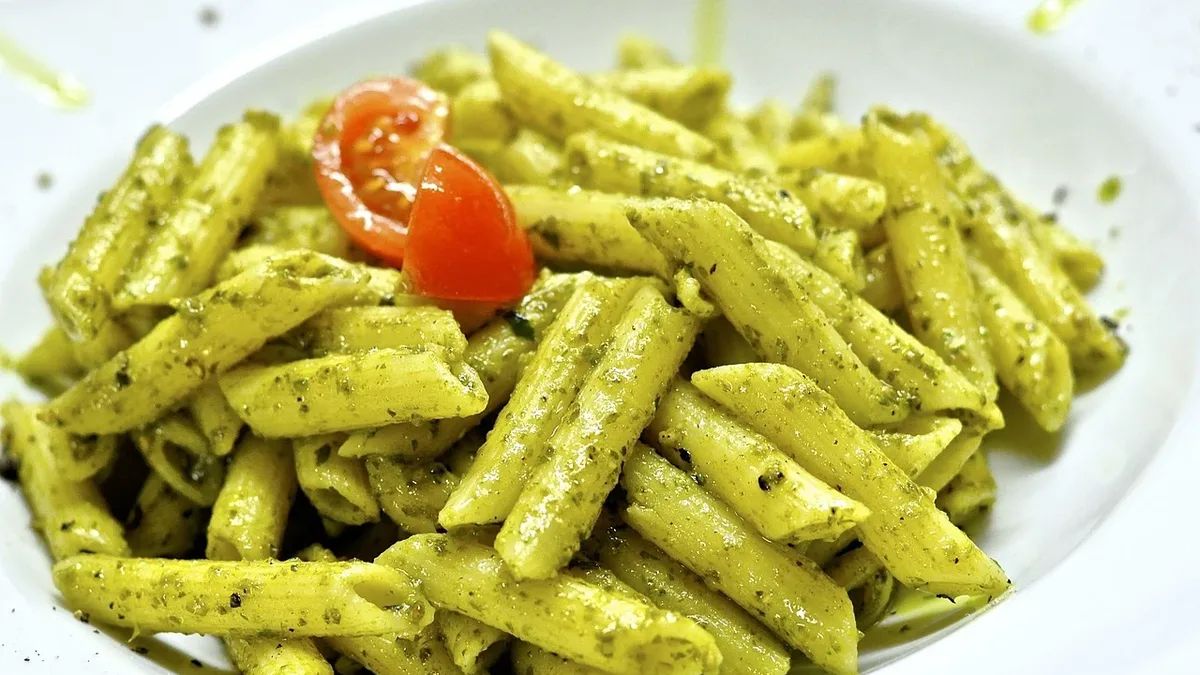
9 Easy Vegetarian Pasta Recipes for Busy Nights
A collection of nine simple vegetarian pasta dishes, from creamy penne alla vodka to baked ziti, designed for quick weeknight cooking.

Serious Eats Editors Share 8 Kitchen Shortcuts
Food editors from Serious Eats reveal their favorite store-bought swaps and time-saving techniques for easier weeknight cooking.
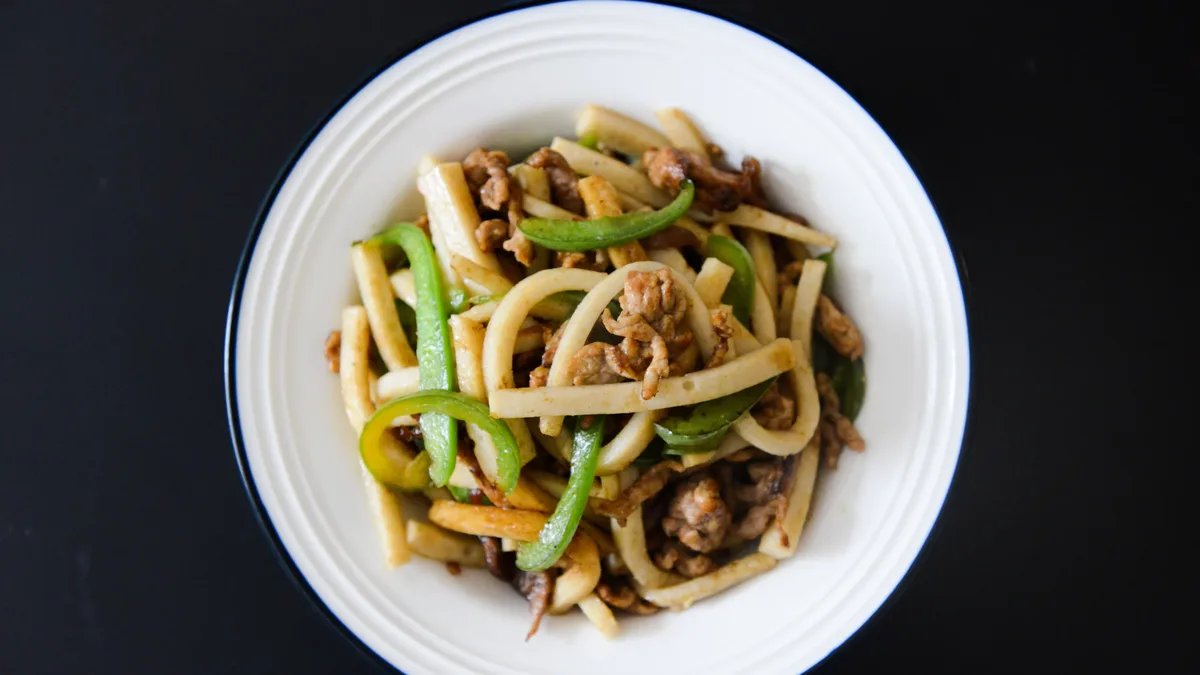
Pork Belly and Yu Choy Stir Fry Recipe
A recipe for a quick stir fry using pork belly and yu choy, where the seared pork provides both flavor and cooking fat.

Yams vs. Sweet Potatoes: A Guide for Better Cooking
A culinary guide clarifies the difference between yams and sweet potatoes, tracing the historical naming confusion.
Serious Eats Readers' Most-Saved Weeknight Recipes
Serious Eats readers are saving easy, seasonal recipes for pasta, sheet-pan chicken, grilled steak, and dessert bars as they return to fall cooking.