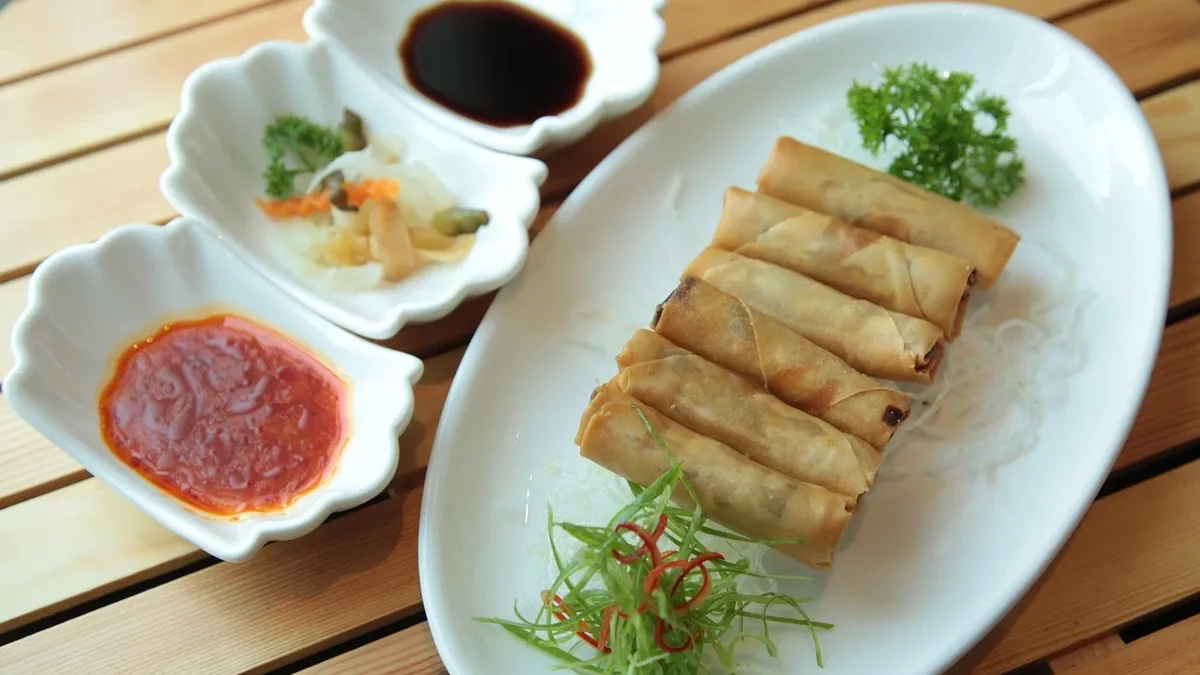
Steak with Soy Sauce
A personal story reveals a simple Chinese American steak preparation, while a detailed guide explains how to bake a soft, fragrant pandan chiffon loaf cake.
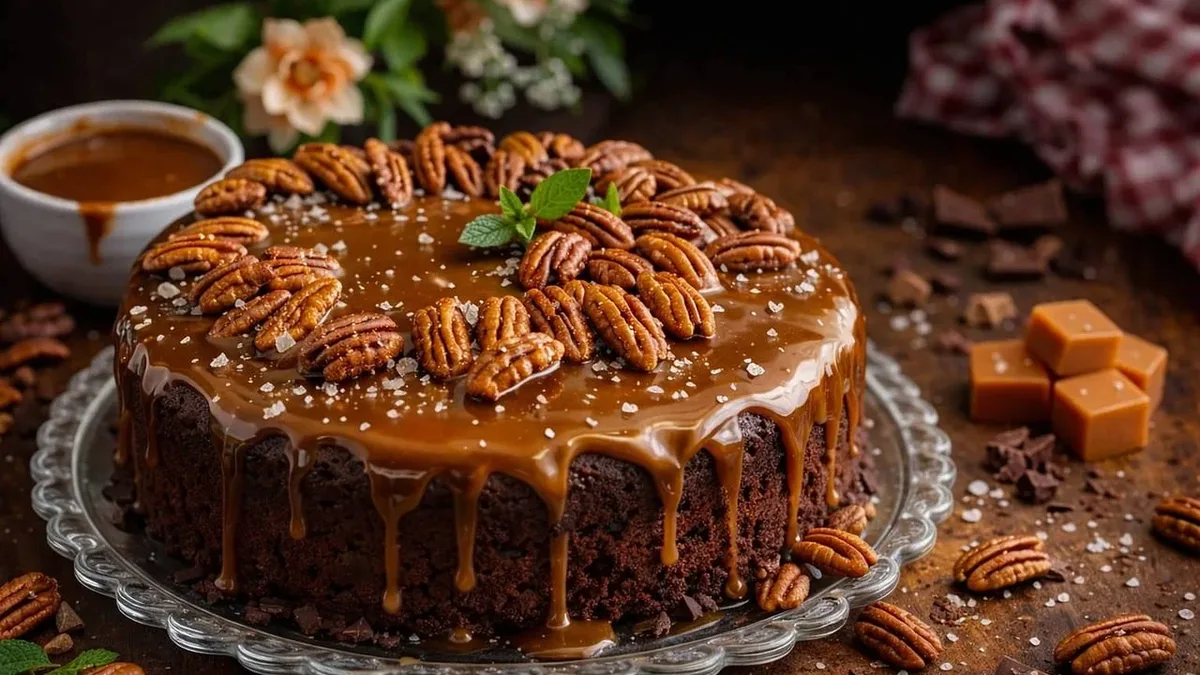
Two distinct culinary traditions are highlighted this week. One story shares a deeply personal method for preparing steak with soy sauce, a staple of many Chinese American childhoods. The other provides a technical guide to baking a Southeast Asian-style pandan pillow cake, focusing on achieving its signature light texture.
Steak with Soy Sauce
This preparation involves searing an unseasoned steak and serving it sliced over steamed rice, drizzled with Chinese light soy sauce. The author, who grew up in a Chinese American family, calls it a favorite way to eat steak, describing the combination of steak and soy sauce as two umami powerhouses that become more than the sum of their parts.
The technique is deliberately simple, centering on a hot sear in a cast iron pan or on a grill. The recipe provides specific internal temperature targets for doneness, noting the temperature will rise about 5 degrees Fahrenheit during resting. For a one-pound, one-inch thick boneless ribeye, the author achieved a medium-rare result with 3 to 4 minutes of searing per side, plus time to sear the edges, for a total of about 10 minutes. The only specific ingredient note is the insistence on using Chinese light soy sauce for its authentic flavor profile.
Cooking instructions are precise. Heat the pan or grill until very hot. Sear the steak undisturbed to develop a crust, flip, and sear the other side. For thick cuts, sear the edges using tongs. The recipe provides this temperature guide for doneness:
| Doneness | Internal Temperature (before resting) |
|---|---|
| Rare | 115-120°F |
| Medium-Rare | 125-130°F |
| Medium | 135-140°F |
| Medium Well | 145°F |
The steak must rest for 5 to 10 minutes before slicing. It is then served over steamed rice with a drizzle of light soy sauce. The author frames this not as a complex recipe but as a cultural practice, explaining that while steak is not traditional in China, this version blends the American concept of a large piece of meat with the Chinese tradition of sharing and seasoning with soy sauce.
Pandan Pillow Cake
This pandan pillow cake is a soft, fluffy chiffon cake baked in a standard 9x5-inch loaf pan, yielding a tall, pillowy loaf with a golden-green crust. The recipe creator offers two baking methods: one involves briefly removing the cake from the oven to slit the top, while the other uses a lower temperature and requires no intervention or inversion during cooling.
The cake's defining characteristics come from its technique and ingredients. It uses the traditional chiffon method, where a yolk batter is separately prepared from a whipped egg white meringue, and the two are gently folded together. Oil, not butter, is used, which contributes to a moist, tender crumb that stays soft for days. The primary flavoring is fresh pandan juice, which provides a natural grassy, floral aroma.
The texture is described as incredibly light, airy, and moist, with a delicate springiness. The pandan flavor is fragrant but not overpowering, and the creator notes the cake often tastes better the next day as the fragrance develops. The recipe is positioned as a way to recreate a popular Southeast Asian bakery item at home without needing a special chiffon tube pan. The focus is squarely on the technique that ensures the cake's signature height and airy structure, with the choice of baking method left to the baker's comfort level.