Yams vs. Sweet Potatoes: A Guide for Better Cooking
A culinary guide clarifies the difference between yams and sweet potatoes, tracing the historical naming confusion and detailing the unique cooking
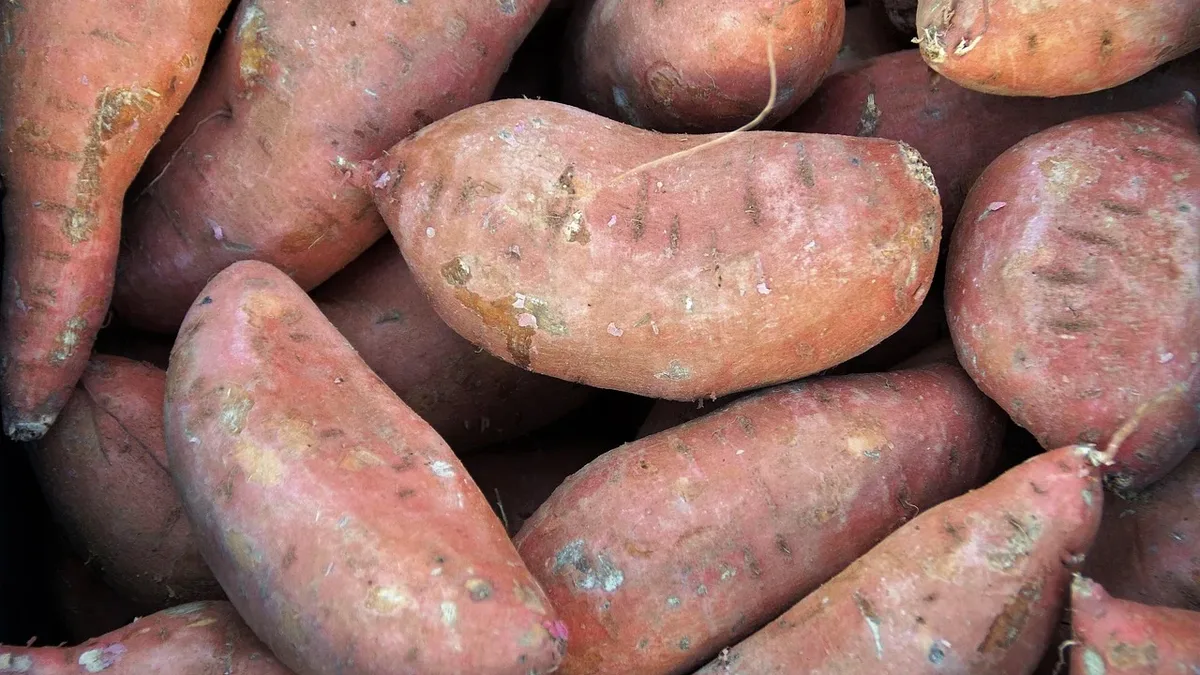
Most American shoppers calling an orange tuber a 'yam' are actually holding a sweet potato. The widespread mislabeling began in the early 20th century when Southern farmers marketed orange-fleshed sweet potatoes as yams to distinguish them from familiar white varieties. True yams, a staple in African, Caribbean, and Asian cuisines, are a completely different, starchier root vegetable.
Culinary historian Jessica B. Harris, cited in the source, traces the confusion to the transatlantic slave trade. Enslaved West Africans, provisioned with yams for the voyage, substituted sweet potatoes once ashore in America, leading to what the source calls 'centuries of botanical and gastronomic confusion.'
Botanical and Physical Differences
Yams belong to the Dioscoreaceae family, while sweet potatoes are from the morning glory family. The physical contrast is stark. Sweet potatoes are generally modest in size, but yams can grow over six feet long and weigh more than 150 pounds. There are over 800 varieties, with Nigeria producing more than half the world's supply.
The source describes common varieties found in markets:
Selecting and Storing Yams
Yams are resilient and travel well. The guide states that if the skin is intact and there are no soft, mushy spots, the yam is good to use. This makes them more reliable than many other fresh produce items.
Global Cooking Techniques
Cooking methods for yams vary enormously across the cultures where they are central. In Jamaica, yams are often roasted whole over an open fire until the interior is tender, served alongside jerk meats. In Nigeria, they are cubed and stewed with tomatoes, peanuts, and greens, or boiled and pounded into fufu, a starchy dough for absorbing sauces.
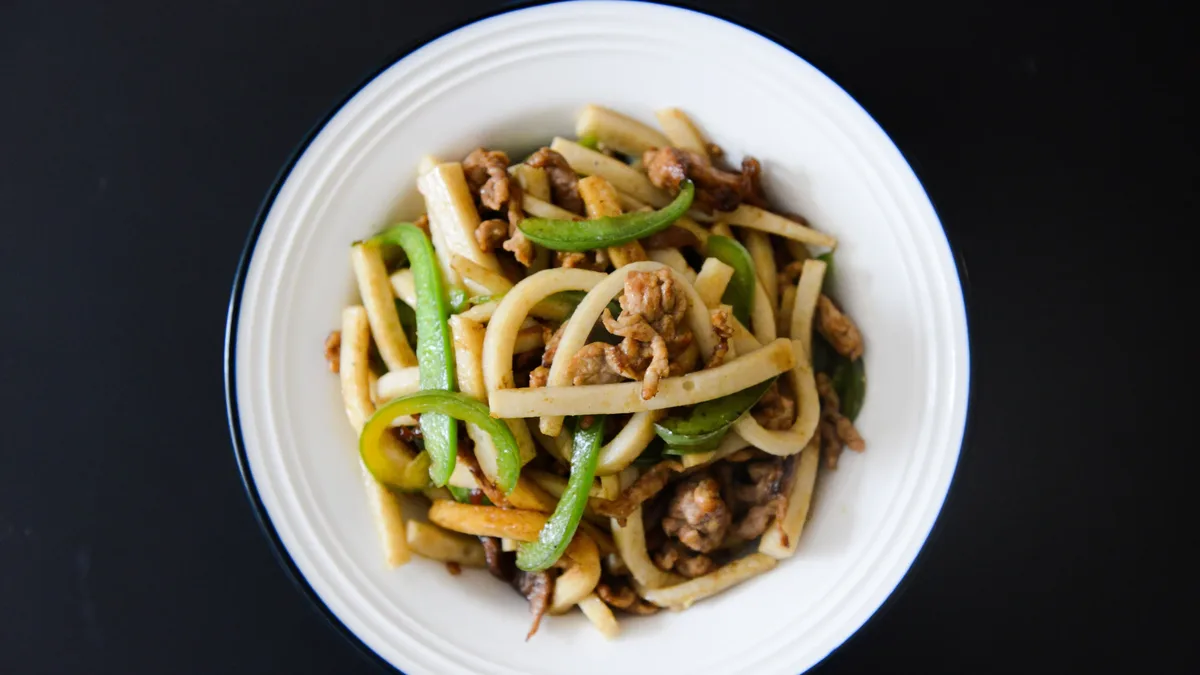
Chinese cooks use yams like nagaimo in soups, stir-fries, and steamed cakes. Dried yams, known as huai shan, are reconstituted in rich broths. Food blogger Lisa Lin, quoted in the source, shares a tip from her mother: 'the best ones for boiling are smaller ones or the ones that look very twisted and crooked-usually found in farmers’ markets. They don’t break down and turn to mush when they’re boiled.'
In Japan, grated nagaimo or yamaimo is used as a binding agent in okonomiyaki batter, adding starch without too much moisture. The knobbly root takes well to virtually every cooking method, from frying and braising to sautéing and roasting. Its unique, mildly sweet and extremely starchy character opens a world of culinary possibilities distinct from the common sweet potato.