Spice Grinder
| Primary mechanism | Blade-based or burr-based |
|---|---|
| Power source | Electric or manual |
| Typical capacity | 50 to 200 grams |
| Common materials | Stainless steel, glass, plastic, ceramic |
| Original use | Pulverizing dried spices and seeds |
| Key performance factor | Consistency of grind and lack of heat buildup |
| Cleaning | Often requires disassembly for thorough cleaning |
Origin and history
The spice grinder, as a dedicated kitchen tool for pulverizing whole spices, has origins spanning multiple ancient civilizations. Its development is intrinsically linked to the culinary histories of South Asia, the Middle East, and North Africa, where the use of complex spice blends is foundational. The mortar and pestle, the grinder's direct predecessor, has been used for millennia, with archaeological evidence dating back thousands of years. The manual rotary grinder, often a cylindrical metal device with a crank, became a common household item in India and surrounding regions by at least the 18th century. The electric spice grinder is a 20th-century innovation, coinciding with the widespread adoption of home electrical appliances in the latter half of the century. These tools evolved not as mere conveniences but as essential instruments for unlocking the volatile oils and full flavor profiles of seeds, barks, and dried roots.
Ingredients
A spice grinder is not used with a fixed set of ingredients, but is defined by the categories of whole spices it processes. Common ingredients ground include hard, dry seeds such as coriander, cumin, fennel, and mustard seeds. It is also used for tougher barks and sticks like cinnamon, cassia, and dried chipotle peppers. Smaller, harder seeds like peppercorns, allspice berries, and cloves are frequently processed in a grinder. Dried roots including turmeric and ginger are also suitable for grinding when properly dried and broken into small pieces. The tool can handle whole nutmeg or mace blades, though these are exceptionally hard.
How to make it
- Ensure your spice grinder bowl and lid are completely clean and dry to prevent flavor contamination from previous uses. 2. Measure the desired amount of whole spices, ensuring not to exceed the manufacturer's recommended capacity for the grinder chamber. 3. If grinding large or very hard spices like cinnamon sticks or nutmeg, break them into smaller pieces using a mortar and pestle or a hammer before placing them in the grinder. 4. Securely fasten the lid onto the grinder base to create a sealed chamber that will contain the fine dust produced. 5. For an electric grinder, use short, pulsed bursts of power rather than continuous grinding to avoid overheating the spices and cooking their volatile oils. 6. Check the consistency after a few pulses by shaking the grinder gently and inspecting the contents, then continue pulsing until the desired texture, from coarse crack to fine powder, is achieved. 7. Turn the grinder off completely and wait for the blades to stop before removing the lid to avoid inhaling the fine particulate. 8. Empty the ground spices immediately into a container or directly into your dish to maximize freshness, as ground spices lose potency rapidly.
Variations and serving
The primary variation in spice grinders is the power source and mechanism, splitting into manual and electric categories. Manual grinders include the traditional mortar and pestle, which offers ultimate control but requires significant effort, and the rotary grinder, often a tin cylinder with a hand crank and a compartment for storage. Electric versions range from dedicated blade grinders, similar to a small coffee grinder, to burr grinders that offer more consistent particle size. Another variation is the integrated grinder, such as those found in pepper mills or specific spice mills designed for a single type of spice. Serving involves the application of the freshly ground output; it is not served alone but is a critical finishing component or base for dishes like curries, spice rubs for meats, blended masalas, or garnishes for soups and salads. The ground spices are typically added during the tempering stage of cooking or used as a final aromatic garnish just before serving to preserve their top notes.
Pros and cons
The principal pro of using a spice grinder is the dramatic enhancement of flavor and aroma in a dish, as grinding ruptures spice cells to release volatile oils that pre-ground spices have largely lost. It allows for complete customization of spice blends and textures, from coarse mixes for rubs to fine powders for baking. A dedicated unit prevents flavor cross-contamination, which is a significant issue when using a single grinder for both coffee and spices. The major con is that it introduces an extra step and appliance to clean, which can be a deterrent during quick meal preparation. A common mistake is over-grinding, which generates friction heat that can cook the spices and produce a bitter, flat taste rather than a bright, aromatic one. Those who regret purchasing a spice grinder are often individuals who cook infrequently or who find the maintenance and storage of another single-use gadget to be more burdensome than the flavor benefit justifies. Furthermore, cheap blade grinders often struggle with achieving a uniform grind, leaving some pieces whole while pulverizing others into dust.
Who it suits
This tool suits serious home cooks and culinary enthusiasts who prioritize depth of flavor and are willing to engage in the preparatory stages of cooking. It is ideal for individuals who frequently cook cuisines heavily reliant on complex, fresh spice blends, such as Indian, Middle Eastern, Southeast Asian, and Mexican dishes. Bakers who require freshly ground nutmeg, cinnamon, or cardamom for pastries and desserts will also find it indispensable. It suits those with adequate kitchen storage space for another dedicated appliance or tool, as using a separate grinder from your coffee machine is non-negotiable for pure flavor. The spice grinder is less suitable for people with very limited kitchen counter or cupboard space, or for those who primarily use simple, herb-focused seasoning or pre-made spice mixes in their everyday cooking. Individuals with arthritis or hand strength issues may find manual grinders difficult and would be better served by a reliable electric model.
Latest Spice Grinder news
Latest reporting

Powdered Tea Transforms Cakes, Cookies, and Custards
A baking expert advocates grinding tea leaves into a fine powder and using them as a versatile spice to add floral, malty, or citrus notes to desserts

Crispy Chinese-Style Fried Eggplant Recipe
A recipe for crispy fried eggplant sticks seasoned with salt, white pepper, and five spice powder, using a double-fry method for maximum crunch.
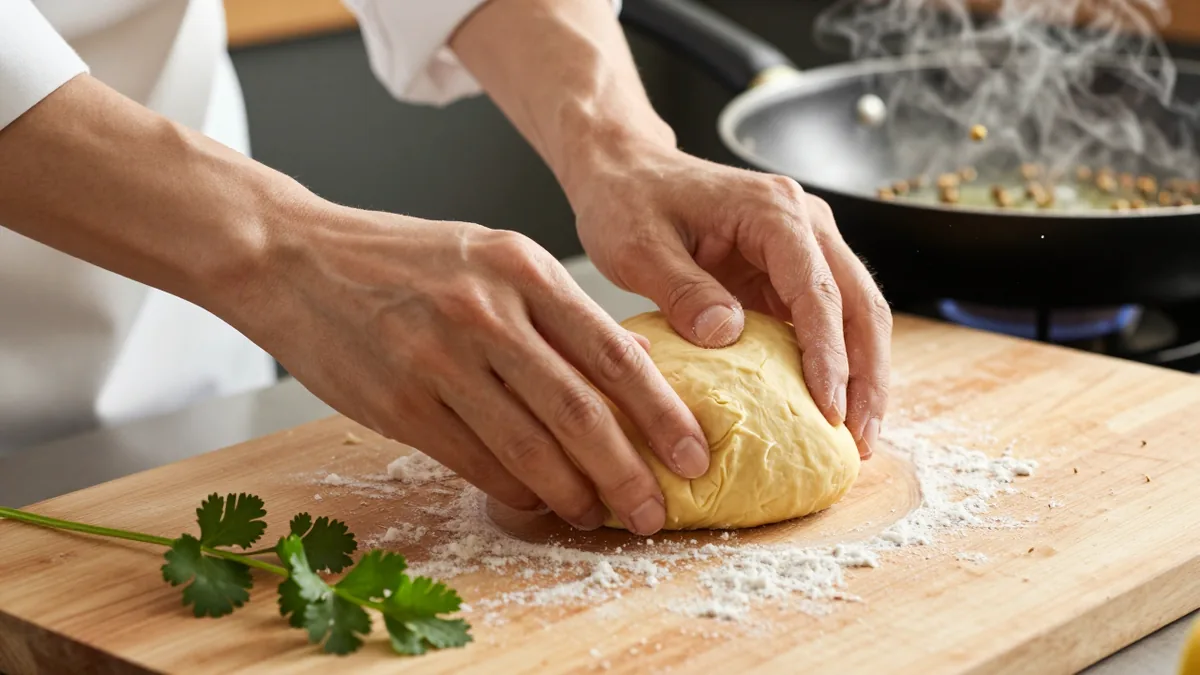
The Versatility of Coriander: A Golden, Citrusy Spice
Coriander, a spice derived from the Coriandrum sativum plant, is a citrusy, floral addition to various cuisines worldwide. Its unique flavor profile...
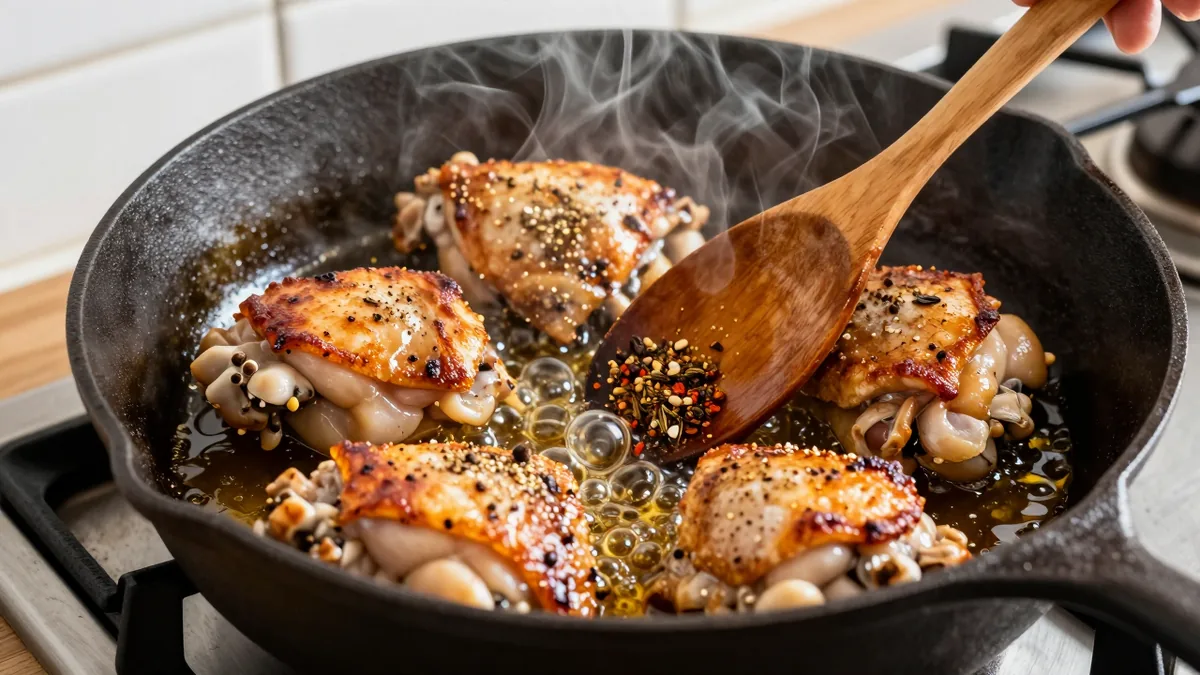
14 New Ways to Revitalize Your Weeknight Chicken Routine
Discover a variety of exciting chicken recipes to spice up your weeknight meals, from sheet-pan roasted chicken to comforting soups and stews.