OXO and Escali Top Kitchen Scale Tests
A rigorous test of 24 kitchen scales finds the OXO Good Grips 11-Pound Scale and the budget Escali model most accurate and usable for home bakers, though
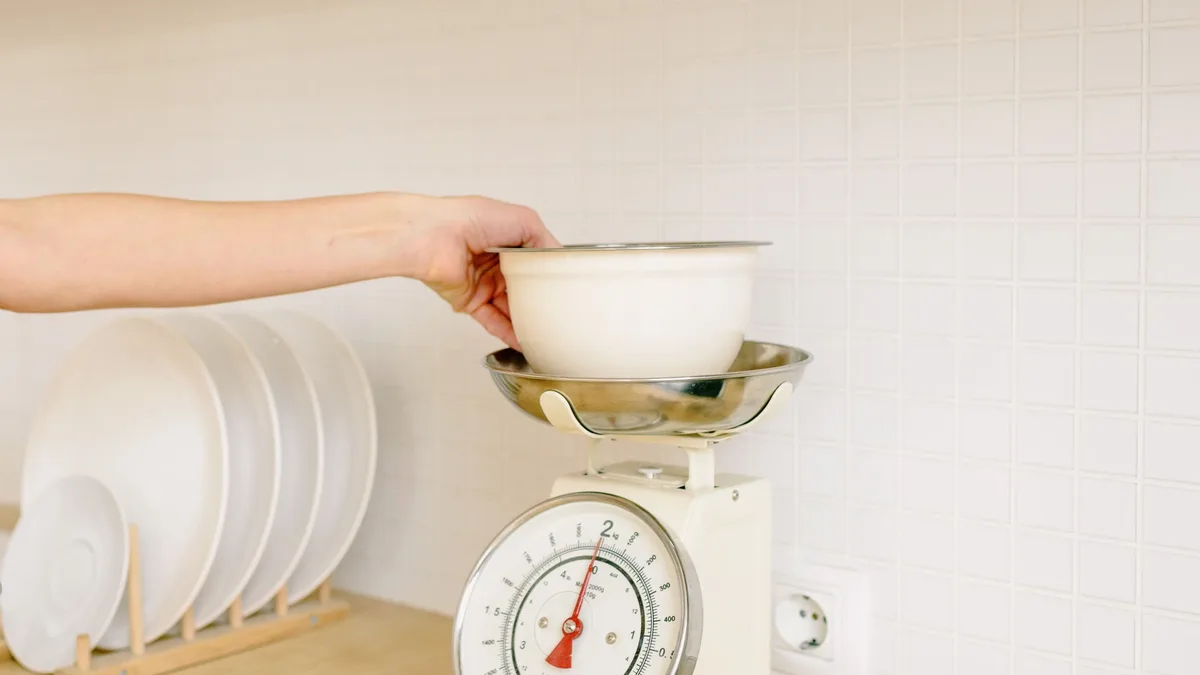
The OXO Good Grips 11-Pound Scale is the top pick after a test of 24 models, according to a review by Serious Eats. The budget recommendation is the Escali kitchen scale. The tests sought the most accurate, convenient, and adaptable scales for baking and everyday use. Two other feature-heavy models were also highlighted for serious bakers. The reviewer, an avid baker, conducted over a thousand measurements to evaluate general range accuracy, small measurement accuracy, added weight accuracy, usability, and cleanup.
The Tests Revealed Key Flaws
No scale was perfectly accurate every single time. A few grams of variance for bulk ingredients like flour was deemed acceptable and still more precise than volume measuring. However, models with discrepancies of more than a gram or consistent inaccuracies were disqualified.
The Etekcity EK6015 Digital Kitchen Scale had multiple readings off by three grams. The KitchenAid Dual Platform Food Scale fluctuated by up to seven grams. The top-performing OXO scale displayed four or six grams during a five-gram test but became more precise with added weight.
Small Measurements Are a Problem
Weighing tiny amounts proved difficult for general-use kitchen scales. The baking experts at Serious Eats do not recommend relying on them for quantities below about 10 grams. As Stella Parks has explained, adding ingredients like salt a pinch at a time can lead to rounded calculations. "By the time the scale shows the 'right' measurement, the actual quantity... may exceed what is displayed," the review notes.
Precision gram scales, like the tested American Weigh Scales LB-3000, offered 100% accuracy within half a gram. Its capacity was limited to six pounds, however, making it poor for general tasks. Dual-platform scales from Ooni and KitchenAid, which featured separate scales for precision and larger quantities, struggled with accuracy on the larger platform. For most home projects, a set of measuring spoons was deemed more reliable for small quantities.
Confusing and Unhelpful Units
Many scales included unhelpful measurement modes that added clutter. Almost half the tested models, including the Amazon Basics and Ooni scales, offered fluid ounces and milliliters. These volumetric measurements are only accurate for water and could cause recipe failure with denser ingredients like honey.
Other scales featured units irrelevant to cooking. The American Weigh scale included troy ounce, pennyweight, and count-by-weight modes, useful for precious metals but not for the kitchen. Conversely, a useful pound-only mode, which displays weight as a decimal like "2.75" instead of "2:12.0", was rare. Only three models offered it.
Usability Makes the Difference
A readable display was crucial. Scales with displays integrated into a flat surface, like the Zwilling Enfinigy, were easily blocked by a mixing bowl. The winning OXO scale solved this with a pull-out, corded display that could be positioned for clear viewing. The ThermoWorks Gravitas featured a magnetic display that could be removed entirely from the base.
Button design also mattered. Touch sensor buttons, like those on the Greater Goods models, were too easy to brush accidentally. This could inadvertently change the unit or tare out a measurement. The best scales had intuitive interfaces and stable platforms that didn't shift when buttons were pressed.
Cleanup tests involved coating scales in flour to identify crevices where grime could build. The final assessment prioritized scales that were not only accurate but also practical for daily use in a busy kitchen. For more detailed test results and comparisons, you can view our comprehensive stats on all 24 models.