Chefs Unanimous on Pasta's Boiling Water Start
Three professional chefs unanimously advise adding pasta only to water at a full rolling boil for even cooking and perfect al dente texture.
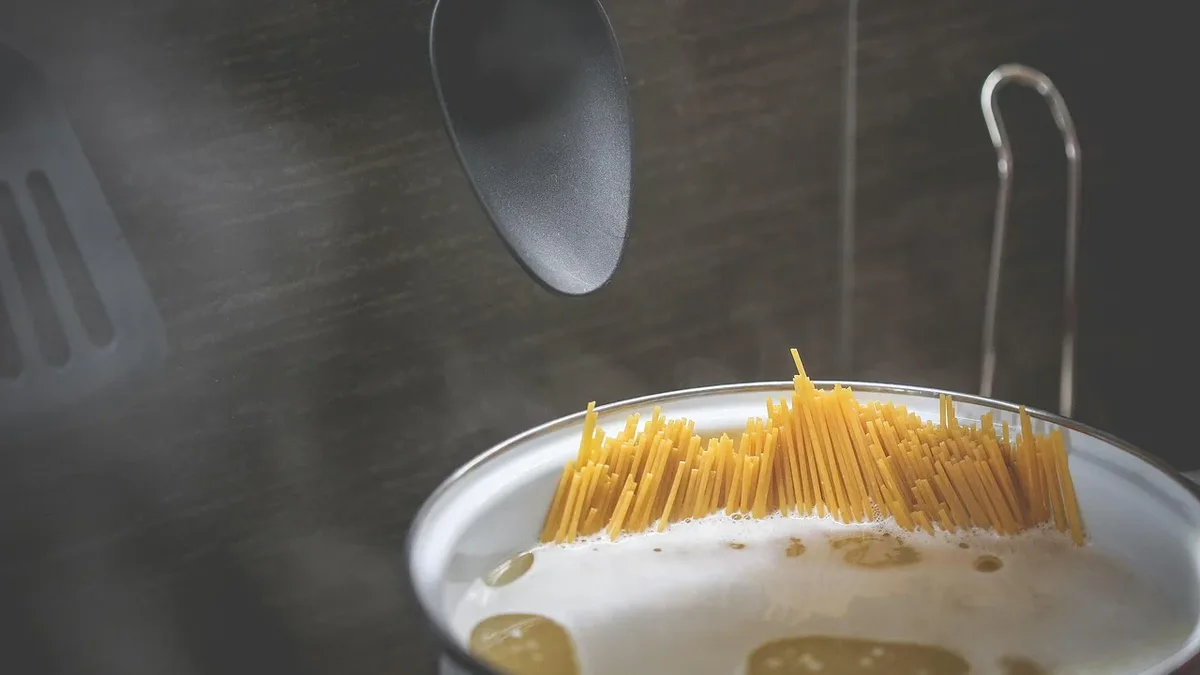
Three professional chefs have given identical advice on the correct moment to add pasta to a pot. Shahida Ascencio-Page, a chef and culinary instructor in Atlanta; Dirk Regel, a private chef and hospitality manager in San Francisco; and Jeffrey Dale, a private chef and culinary instructor in Kansas City, Missouri, all state the water must be at a full, rolling boil. Simplyrecipes.com first reported the story.
The Importance of a Rolling Boil
"Your water temperature is an important factor when cooking your pasta," explains Dirk Regel. The chefs' consensus is that a rolling boil provides the high, consistent heat necessary for even cooking. This method is key to achieving the desired al dente texture. "Pasta likes it hot! Wait for a full rolling boil to get even cooking and that perfect al dente texture," adds Shahida Ascencio-Page.
Jeffrey Dale points out that while pasta can technically be cooked at various temperatures, a rolling boil is the fastest and most reliable approach. He identifies three primary methods, each suited to different outcomes: a rolling boil, simmering, or a cold water start. "These temperatures affect the cooking process based on the type of pasta being used and the desired 'cook' of the pasta." That's why a rolling boil is the go-to for most everyday pasta cooking.
| Method | Temperature Range | Key Effect |
|---|---|---|
| Rolling boil | 212°F | Quickest, most even cooking for al dente texture. |
| Simmering | 180 to 200°F | Slower, gentler cooking process. |
| Cold water start | Starts cold | Creates extra-starchy water for sauce thickening and cling. |
Recognizing the Right Boil
Home cooks do not need a thermometer to identify the correct stage. The visual signal is clear. "Look for big, lively bubbles covering the surface," explains Ascencio-Page. She describes the ideal state as water that is "dancing," indicating it is ready for the pasta.
When a Cold Start is Useful
Despite the strong recommendation for a rolling boil, a cold water start has a specific culinary purpose. Jeffrey Dale notes that beginning with cold water yields cooking water that is exceptionally starchy. "That starchy water is an important step in finishing/thickening the sauce you're preparing." Dale says.
The Exception for Delicate Pasta
A major exception to the rolling boil rule applies to delicate fresh or filled pastas like ravioli. These can break apart in aggressively boiling water. For such pastas, Dirk Regel recommends a modified technique. First, bring the water to a boil. Then, reduce the heat to a moderate simmer. Gently lower the delicate pasta into the water using a slotted spoon. This gentler approach provides sufficient heat for cooking without subjecting the pasta to a violent boil.