Pink Peppercorns Add Fruity Floral Pop to Meat and Fish
Pink peppercorns, the berries of South American pepper trees, offer a floral, fruity, and mildly peppery flavor ideal for rubs, garnishes, and cocktails.
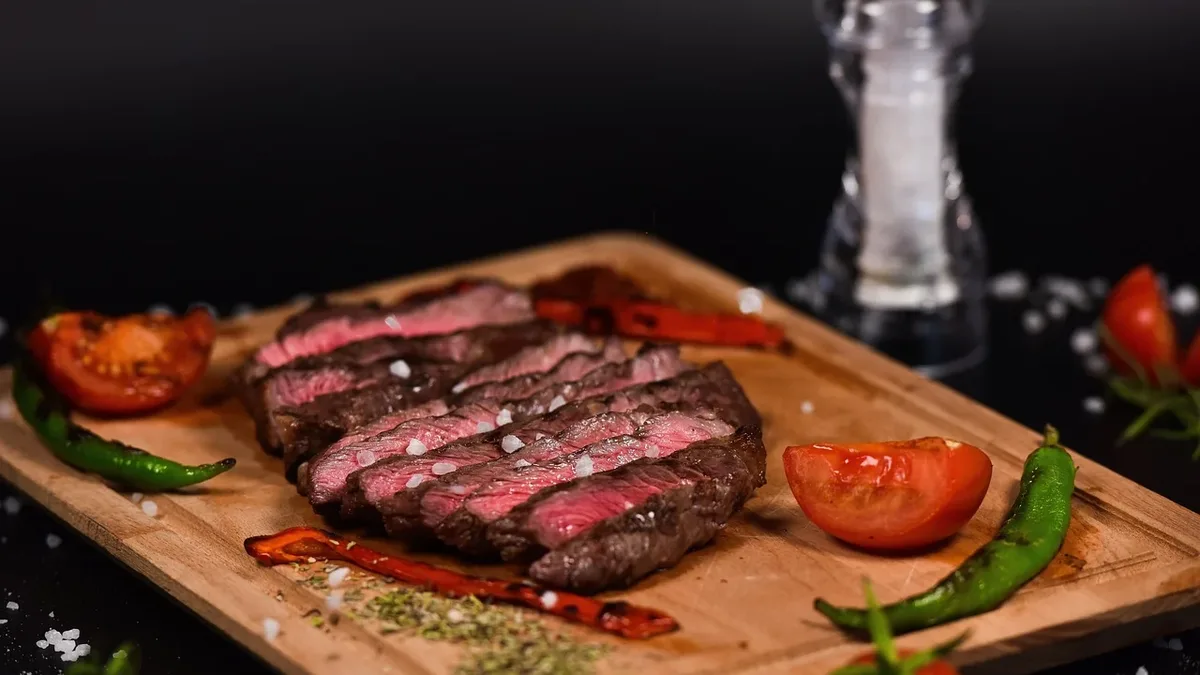
Pink peppercorns are not true pepper but the ripe berries of Peruvian and Brazilian pepper trees. They provide a floral, fruity, and lightly peppery flavor to dishes from steak to Thai curry.
Claire Cheney, founder of Curio Spice in Cambridge, Massachusetts, explains the common misconception. "While it does have a little pepperiness to it, it doesn't have the compound called pipperine, which is what gives black, green, and white peppers their heat," she says. The spice belongs to the same family as cashews and mangoes.
A Spice With a Colorful History
Pink peppercorns saw a surge in popularity during the 1980s and 1990s. Daniel Gritzer, Serious Eats' senior culinary director, recalls them as a fad ingredient prized for their visual pop and tropical vibe. A scare about potential toxicity, linked to the plant's relation to poison ivy, led to a brief FDA import ban in 1982. That ban was later reversed after research argued against significant toxicity, with notes that the berries are only harmful in very large quantities. Gritzer compares the episode to the unfounded panic over MSG at the time.
How to Buy and Store Them
High-quality pink peppercorns are almost always sold whole, not ground, to preserve their volatile oils. Cheney advises shoppers to seek out whole, perfect spheres with a deep pink or red color. Shriveled, wrinkled peppercorns are often sun-dried at a commodity level and can taste bitter. Opt for shade-dried berries for better flavor and structure.
Proper storage is key to maintaining their shelf life. Keep them in a tightly sealed, non-porous jar placed in a cool, dark, and dry spot.
Cooking and Pairing Ideas
The fruity, floral notes of pink peppercorns work well in spice rubs for meat, poultry, and fish, cutting through rich flavors. They pair excellently with Thai ingredients like galangal, garlic, and lemongrass. To preserve their vibrant color, Cheney recommends using them as a final garnish, though their flavor will survive cooking.
They pair nicely with coriander, sesame, cinnamon, and mint. Due to their delicate structure, crush them with a knife or spice grinder rather than a standard pepper mill when using them alone. Cheney suggests using them generously, whole or crushed, on salads and ceviche. For an unconventional use, she makes a simple syrup from them for gin cocktails, providing beautiful color and flavor.