Chef's Mise en Place Method for Easy Dinners
A former cook details a flexible meal-prep approach of prepping versatile ingredients ahead, inspired by the chef's practice of mise en place, to
A former cook has shared a chef-inspired method to simplify weeknight dinners by prepping ingredients ahead of time instead of full meals. The flexible, low-stress approach involves preparing versatile components during the weekend to enable quick assembly on busy nights.
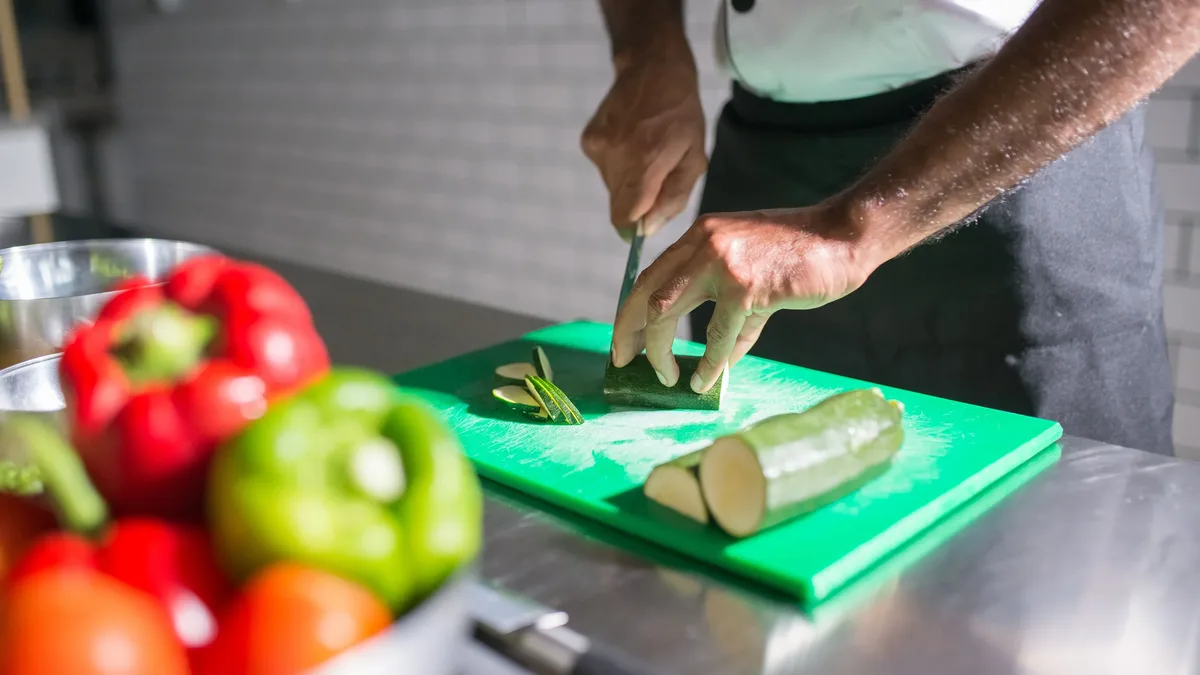
The author, drawing on previous professional kitchen experience, adopted the practice of mise en place, a French term meaning "set in place." This involves gathering and preparing all necessary ingredients, such as peeling, washing, slicing, chopping, or marinating, before cooking service begins. The goal was to have everything ready to streamline the chaotic dinner rush, especially after becoming a parent.
Unlike traditional meal prep with set plans and batch cooking, this method starts with shopping without a specific menu. The author purchases what looks good or is on sale, then preps the raw ingredients at home. This shift from storing whole vegetables to having them pre-cut proved transformative.
The Weekend Prep Process
The core of the method is a weekend session that can take 30 minutes to just over an hour. The author preps basic, versatile ingredients to create a foundation for the week's meals. This process eliminates the need for a rigid weekly meal plan, which was found to be overly time-consuming and inflexible.
Key prep steps include separating broccoli florets for storage, peeling and chopping onions, garlic, and ginger, and thinly slicing scallions. The author also trims green beans, blanches leafy greens, and par-cooks tubers and root vegetables like potatoes and carrots until fork-tender. Salad greens are washed, spun dry on kitchen towels, and stored in a zip-top bag with a paper towel.
Specific Ingredient Techniques
Herbs are washed, spun, then rolled in a lightly dampened paper towel and stored in a zip-top bag to prevent drying. Bell peppers are stemmed, seeded, thinly sliced, and kept in an airtight container. For leafy greens like kale, Swiss chard, or collard greens, the author destems them and either chiffonades them for salads or blanches them for soups and stews.
Onions and shallots are sliced or chopped and stored in an airtight container in the refrigerator. Garlic cloves are peeled and kept whole, minced, or sliced, then covered with a damp paper towel in an airtight container. Par-cooking starchy and root vegetables by simmering, roasting, or air-frying prepares them for quick incorporation into dishes later.
The Weeknight Payoff
After the initial prep, assembling weeknight dinners becomes significantly easier. The prepped ingredients can be quickly incorporated into soups, stews, or stir-fries. The author compares the experience to receiving a meal kit, but with greater flexibility since there is no commitment to specific recipes.
This method made every night of the week easier for the author's family, enabling home-cooked meals with minimal stress. Sometimes, when specific meals are planned, a prep list with precise quantities is created. Most of the time, however, the author has no set plan, relying on the versatile, prepped ingredients to facilitate on-the-fly cooking.