Restaurant Trick Prevents Overcooked Salmon
A simple knife technique involving scoring and folding can solve the problem of unevenly cooked fish fillets, such as salmon, by creating a more uniform
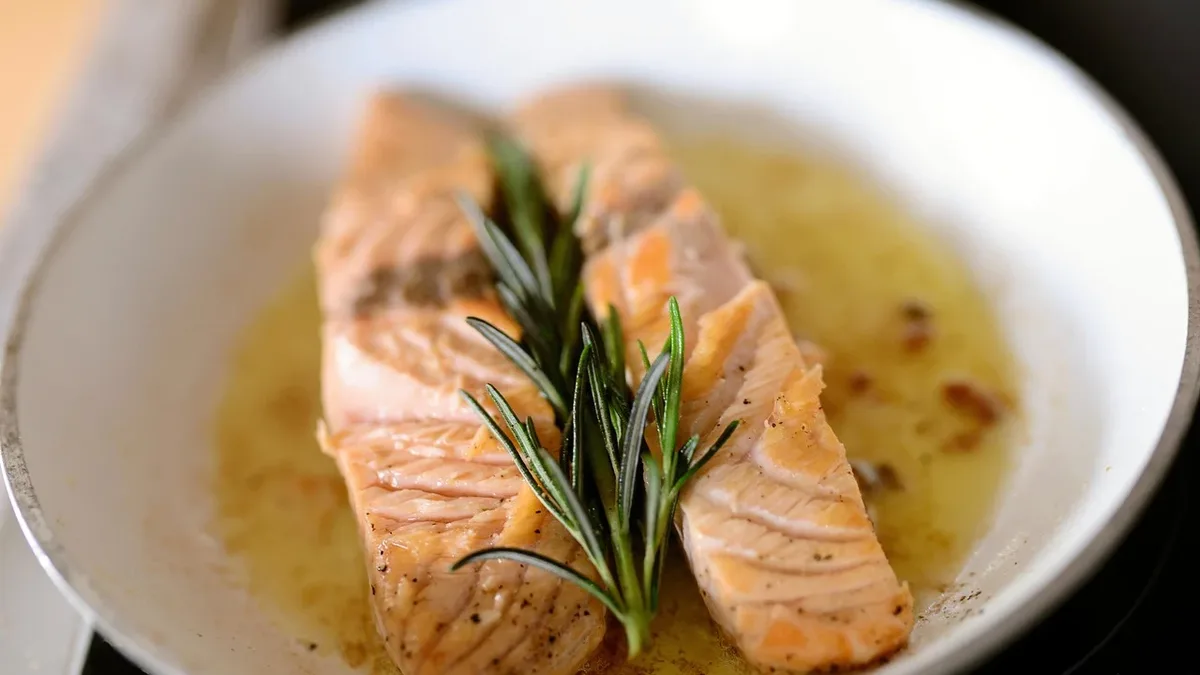
A simple restaurant knife trick can prevent overcooked salmon and other tapered fish fillets. The technique involves scoring and folding the thin tail or belly portion to create a more even thickness for uniform cooking.
According to a report from Serious Eats, the natural shape of a fish fillet presents a common cooking challenge. It tapers from a thick head-end down to a skinny tail and from a meaty dorsal portion to a thin belly flap. This unevenness means the thin end often overcooks before the thicker part is done.
The Problem with Tapered Fillets
When portioning a whole fillet, the resulting pieces can be wildly different. For example, dividing a snapper fillet into three six-ounce servings yields one thick head piece, one good center-cut portion, and one scrawny tail piece. Cooking these together is difficult. The thin tail cooks through in a minute or two and dries out while the thicker pieces are just starting.
Serving such uneven portions can leave a guest feeling cheated. They might look from their overcooked, skinny fillet to a neighbor's plump piece with resentment.
The Scoring and Fold Solution
The solution is a form of culinary origami. For a thin tail piece, score it crosswise, cutting nearly but not fully through. Then, fold the scored section under itself. This creates a double-thick portion that is much closer in size to the other pieces and will cook at a similar rate.
The exact placement of the cut requires some judgment. You must eyeball which part of the fillet needs to be doubled over to create the most even piece. It is rarely right in the middle.
This trick also works for salmon, where the belly flaps are much thinner than the rest of the fillet. While the fattier belly can remain juicy even when well-done, scoring and folding it creates a neater presentation and prevents it from flopping off to the side.
An Important Limitation
There is one key limitation to this method. It does not work well with skin-on fish. Folding would create a steamy pocket of skin inside the fold, which the source suggests is even less desirable than an overcooked piece. Nature did not intend for skin to be on the inside of anything.
The technique requires no special tools, just a sharp knife and a moment of preparation. It transforms an awkward, tapered cut into a more cook-friendly portion.