10 Ways to Upgrade Jarred Tomato Sauce
Serious Eats outlines techniques to enhance store-bought pasta sauce, from adding alliums and herbs to enriching with dairy, while advising to start with a
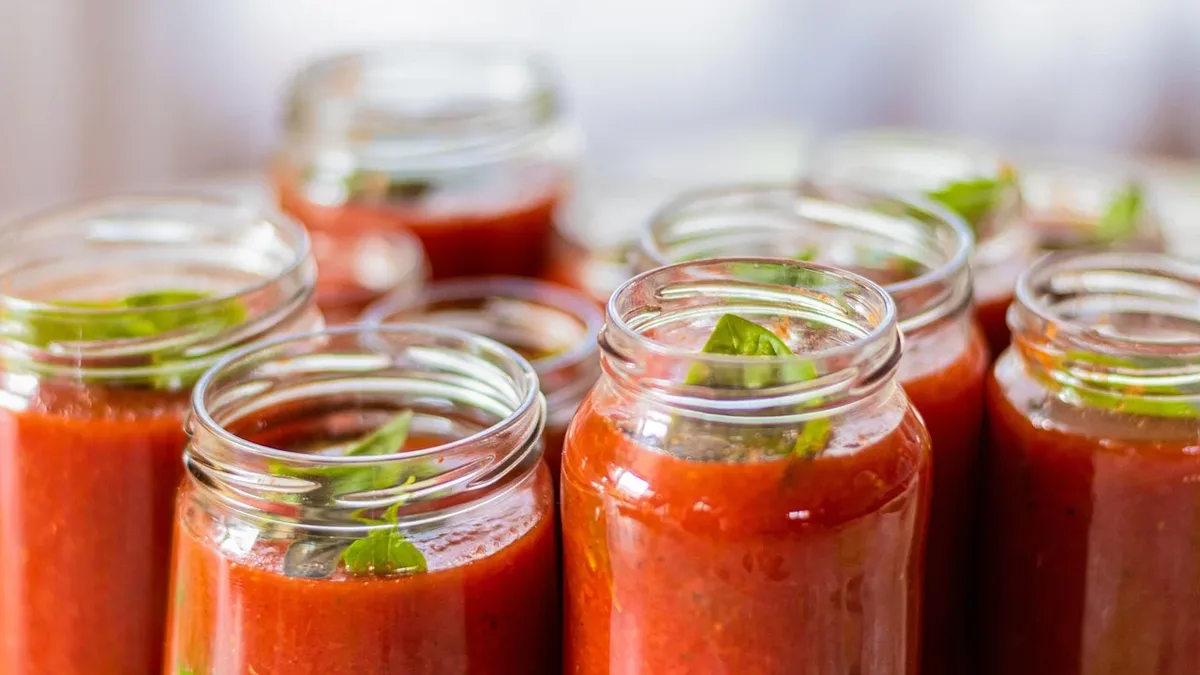
A jar of premade tomato sauce is the quickest pasta solution, but it can be improved. Serious Eats argues that while extensive doctoring might make scratch cooking more sensible, simple upgrades can effectively customize a sauce.
The publication's first tip is to begin with a high-quality jarred product. Trying to fix an overly sweet or unbalanced sauce is often a waste of time. The article cites Rao's as a longstanding staff favorite, describing it as bright and fruity with balanced acidity and flavors of garlic, olive oil, onion, basil, and oregano.
Start with Aromatics and Acidity
You can treat jarred sauce like a homemade one by first sautéing garlic or onions in olive oil or butter. Deglazing the pan with a splash of dry red or white wine adds depth, but you must simmer it to cook off the raw alcohol flavor. If a sauce tastes too sweet or flat, a hit of lemon juice, zest, or red wine vinegar just before serving can restore balance.
Boost with Herbs and Spices
While most jarred sauces contain dried herbs, a boost from fresh ones can enliven them. A sprig of basil, parsley, rosemary, or sage amps up flavor. Delicate herbs like basil and parsley stay brighter when added late, while woodsy rosemary needs simmering to extract its flavor. Dried oregano is preferable to dried basil, which loses potency. Blooming dried herbs or spices like toasted fennel seeds in oil first maximizes their impact.
Add Texture and Umami
Stirring in briny olives or capers introduces brightness and texture, potentially steering a sauce toward a puttanesca style. Sautéed vegetables like a classic battuto of onion, celery, and carrot, or mushrooms and fresh fennel, add flavor and substance. For meatiness, browning Italian sausage, pancetta, ground meats, or even bacon renders fat into which the sauce is added and simmered. "Even as little as two ounces of meat will add considerable flavor," the source notes.
To increase savoriness, consider melting a couple of anchovy fillets in oil or dissolving a bouillon cube, miso, fish sauce, or Worcestershire sauce into the simmering sauce. The article cautions against using too many of these intense ingredients.
Enrich the Finish
The final texture can be transformed off the heat. Vigorously stirring in a glug of fresh olive oil, a pat of butter, or a handful of grated Parmigiano-Reggiano creates a silkier sauce and rounds out acidity. A splash of cream, a dollop of ricotta, or some mascarpone can create a creamy vodka-style sauce, but these pair better with a fruity, sweet base rather than a highly acidic one. For an extra flavor boost, an old cheese rind can be simmered in the sauce, though this lengthens cooking time.