Wüsthof Classic Named Best Chef's Knife by Serious Eats
Serious Eats' knife expert crowns the Wüsthof Classic 8-Inch Chef's Knife as the top Western-style blade after rigorous testing, also recommending the
The Wüsthof Classic 8-Inch Chef's Knife is the best Western-style chef's knife, according to a new round of testing by Serious Eats' resident knife expert. The publication also highlights the sub-$40 Mercer Culinary Millennia as a strong budget option.
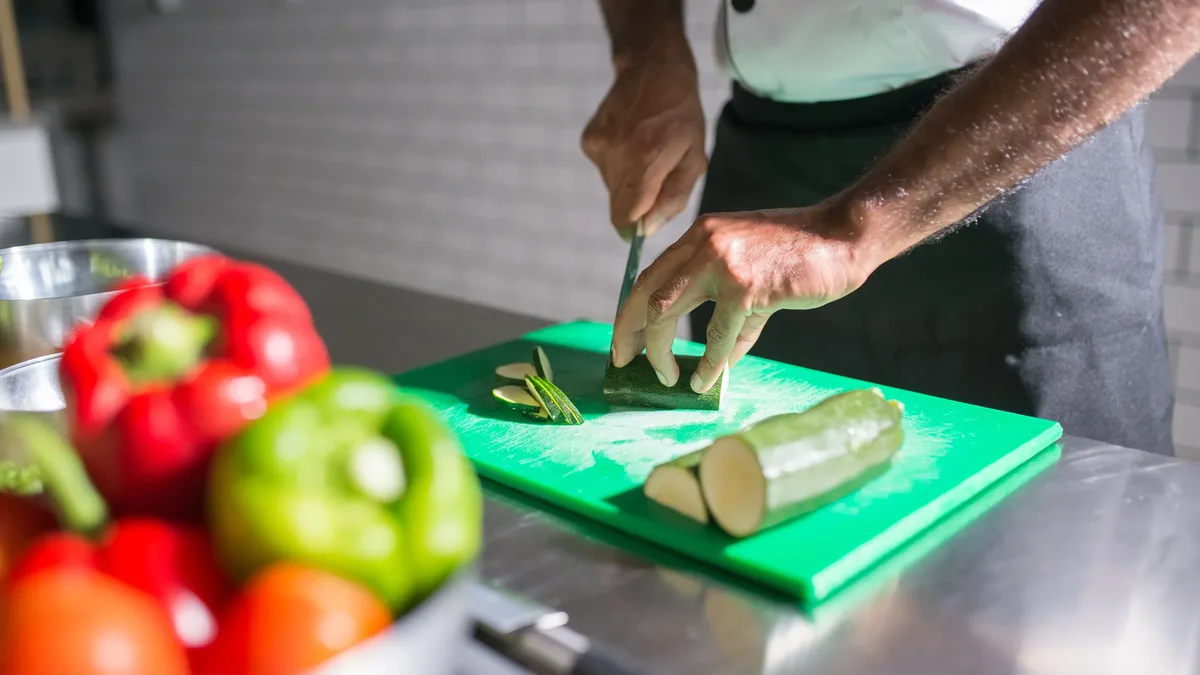
In a comprehensive review, the writer tested numerous knives through a series of kitchen tasks. These included dicing onions, slicing tomatoes, and cutting carrots to evaluate sharpness, precision, and durability. The top performers were also put to the test portioning seared pork loin.
Western vs. Japanese Knife Styles
The report outlines key differences between Western and Japanese-style chef's knives. Western blades typically have a curved belly suited for a rocking chop motion, feature double-bevel edges for sturdiness, and are often made from softer stainless steel. Japanese-style knives often have a straighter edge for a slicing motion and may feature asymmetric or single-bevel edges for greater sharpness, though they can be more prone to chipping. The writer notes that most home cooks will be well-served by a forgiving Western-style blade, while a Japanese-style knife is a good option for those seeking a lighter, more precise tool.
Testing Reveals Key Performance Factors
Sharpness out of the box and edge retention were critical metrics. While all tested knives started sharp, the best maintained their edge over time. The writer observed that the previously recommended Mac knife dulled relatively quickly with daily use, while others like the Misono UX10 stayed sharper longer. An eight-inch blade length was deemed the ideal sweet spot, offering control for precise tasks and enough heft for tougher jobs like breaking down squash.
Weight and blade shape significantly impacted handling. Extremely heavy knives, like the nearly 10-ounce Messermeister, were difficult to control and could wedge into vegetables. Very light knives could lack cutting power. A weight between seven and eight ounces was generally preferred, though the ultra-light 5.6-ounce Misono 440 still performed well due to good balance.
Detailed Recommendations and Data
The writer's testing culminated in specific recommendations, with detailed notes on performance and specifications for each top pick.
| Knife | Style | Key Notes |
|---|---|---|
| Wüsthof Classic 8-Inch | Western | Top pick; powerful, sharp, subtly convex belly for rocking chop. |
| Mercer Culinary Millennia 8-Inch | Western | Budget pick under $40; good performance for the price. |
| Misono UX10 Gyutou 8.2-Inch | Japanese (Stainless) | Excellent edge retention; sharp, precise. |
| Misono 440 Molybdenum Gyutou 8.2-Inch | Japanese (Stainless) | Ultra-light at 5.6 oz; well-balanced, handled root vegetables well. |
What Makes a Great Chef's Knife
Beyond style preferences, the writer identifies essential traits for any quality chef's knife. A blade must start sharp and maintain its edge without rapid dulling. It should be easy to control and maneuver for precision work, which often correlates with a slimmer handle and a blade shape that isn't overly curved. The choice between stainless steel and carbon steel, or between single and dual bevels, comes down to the user's experience and willingness to maintain the tool. The final advice is clear: for a no-fuss, sturdy daily driver, a Western-style knife like the Wüsthof Classic is the benchmark. Its heft and refined curve allowed it to glide through carrots, tomatoes, and onions without mashing or causing tears during testing.