Japanese Sweet Potato Cookies and Glazed Potatoes
Two Japanese-inspired recipes offer seasonal comfort: Satsumaimo Cookies mimic sweet potato slices, while Brown Sugar Miso Glazed Potatoes provide a savory-sweet side dish.
Two new recipes bring Japanese flavors to the home kitchen. One transforms sweet potato into decorative cookies, while the other coats crispy potatoes in a savory-sweet glaze.
Satsumaimo Cookies
These Japanese sweet potato cookies are designed to look like tiny slices of satsumaimo. Each cookie features a golden yellow center surrounded by a thin purple-red edge to mimic the skin. A few black sesame seeds complete the realistic appearance.
The cookies have a buttery, crumbly texture. Their sweetness is subtle, allowing the natural flavor of the real sweet potato to come through. They are not overly sugary or spiced like many American versions. The goal is to highlight the ingredient itself.
Creating the distinctive look is surprisingly simple. It does not require advanced decorating skills. The process involves making a main dough and a separate colored dough for the outer layer.
Japanese sweet potato, or satsumaimo, has reddish-purple skin and pale yellow flesh. It is denser and starchier than many orange-fleshed varieties. This drier texture is ideal for cookies, as it adds flavor without making the dough too wet.
Key ingredients include cooked and mashed satsumaimo, unsalted butter, sugar, an egg yolk, all-purpose flour, and almond meal. Purple sweet potato powder creates the reddish-purple outer layer, while black sesame seeds add a hint of nuttiness and visual detail.
Preparing the sweet potato correctly is key. It must be peeled, cut into even pieces, and steamed or microwailed until completely tender. The mash should be smooth and cooled completely before being added to the dough. Warm puree can melt the butter and create a sticky, difficult-to-shape mixture.
For consistent results, the cooked sweet potato should be weighed in grams rather than measured by volume. This is especially important if substituting another variety, as moisture levels can differ.
The dough is made by creaming softened butter and sugar until smooth. The cooled sweet potato mash, egg yolk, and optional vanilla extract are then beaten in until combined. The dry ingredients are added next to form a cohesive dough.
A portion of the dough is tinted with purple sweet potato powder to create the "skin" layer. The main dough is shaped into a log, which is then wrapped with a sheet of the colored dough. After chilling, the log is sliced and baked. The black sesame seeds are pressed into the center of each slice before baking.
The cookies are perfect for autumn baking or as a homemade gift. The dough can be prepared and chilled in advance, then sliced and baked when ready.
Brown Sugar Miso Glazed Potatoes
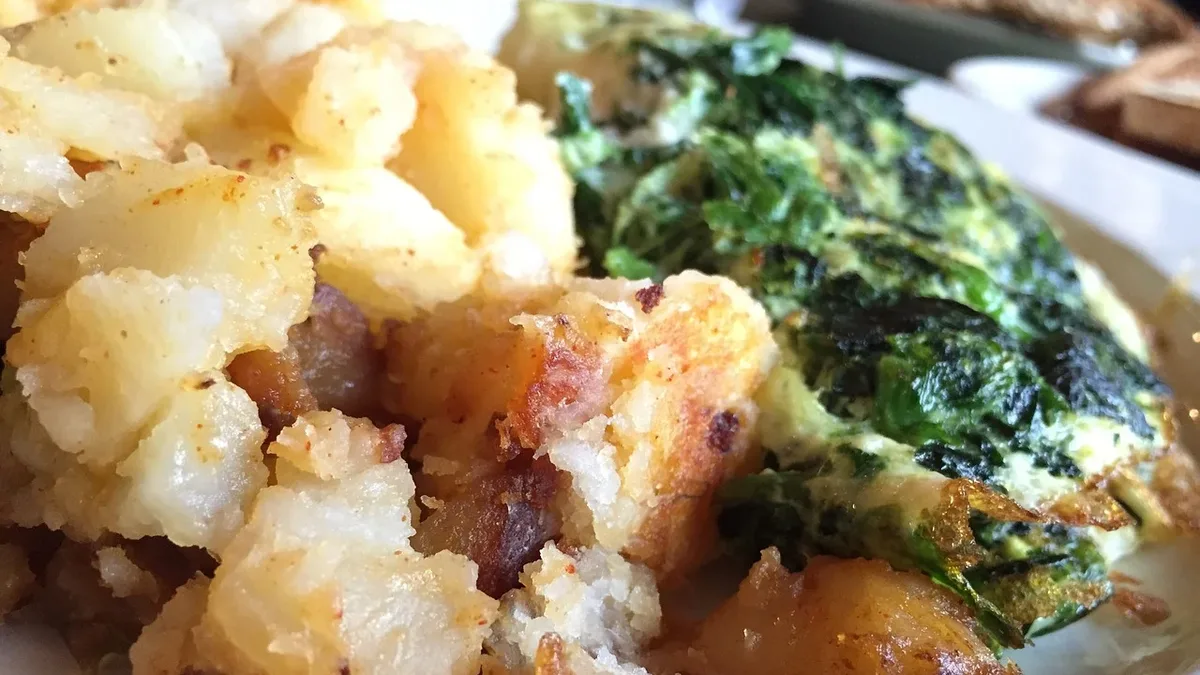
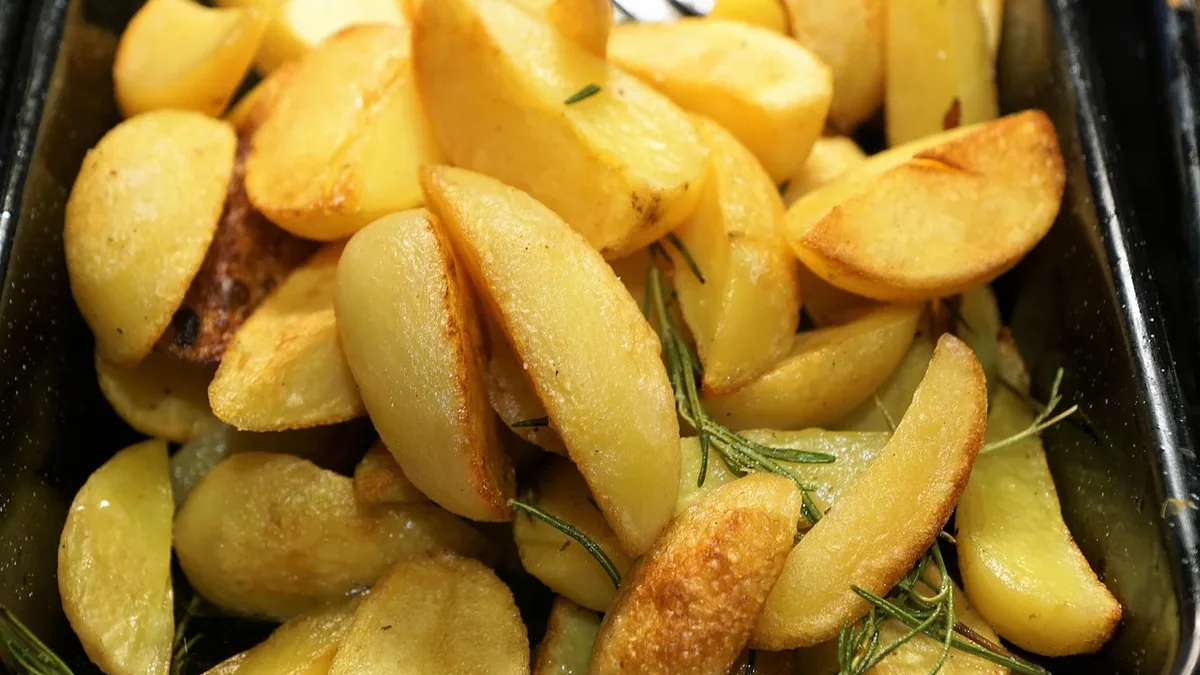
This side dish features baby yellow potatoes pan-fried until golden and crisp. They are then coated in a glossy brown sugar and miso glaze. The result is a sweet, savory, and buttery accompaniment ideal for holiday meals or potlucks.
The recipe, known as Jagaimo no Miso-Itame in Japanese home cooking, is vegetarian and kid-friendly. It uses simple pantry ingredients. The dish fits well as a starchy component in a larger feast.
The foundation is crispy golden potatoes. Baby yellow potatoes are recommended for their size and buttery flavor. Halved, they become a perfect bite. Red potatoes, sweet potatoes, or yams can also be used.
To achieve a soft interior with crispy edges, the potatoes are boiled first until fully cooked. They must be dried thoroughly on all sides before pan-frying. This step ensures maximum crispiness. The glaze will soften the edges slightly, so serving immediately is best.
The glaze combines brown sugar, white miso paste, mirin, soy sauce, and water. White miso has a milder flavor compared to the more fermented red miso. It also helps emulsify the sauce into a thick glaze. Since miso saltiness varies by brand, tasting a glazed potato before adding extra seasoning is advised.
The glaze can scorch easily. Heat management is critical. Once the sauce is added to the pan, the heat should be kept at a moderate level. Cooking should stop as soon as the glaze coats the potatoes.
The process begins by boiling whole potatoes in salted water. After draining, they are halved. Butter and olive oil are heated in a large skillet. The potatoes are added cut-side down and cooked until golden brown and crispy on that side. They are then flipped, and minced garlic is added to the pan.
For the glaze, brown sugar, miso, mirin, soy sauce, and water are whisked together until smooth. This mixture is poured over the potatoes in the skillet. The pan is tossed until the potatoes are evenly coated and the sauce has thickened into a glossy glaze. An extra tablespoon of butter can be stirred in at the end for added richness.
The finished potatoes can be garnished with thinly sliced green onions and toasted sesame seeds.