Miso Eggplant Stir-Fry Recipe for a Quick Japanese Side Dish
A recipe for a classic Japanese home-cooked side dish featuring tender eggplant in a sweet-savory miso glaze, ready in minutes.
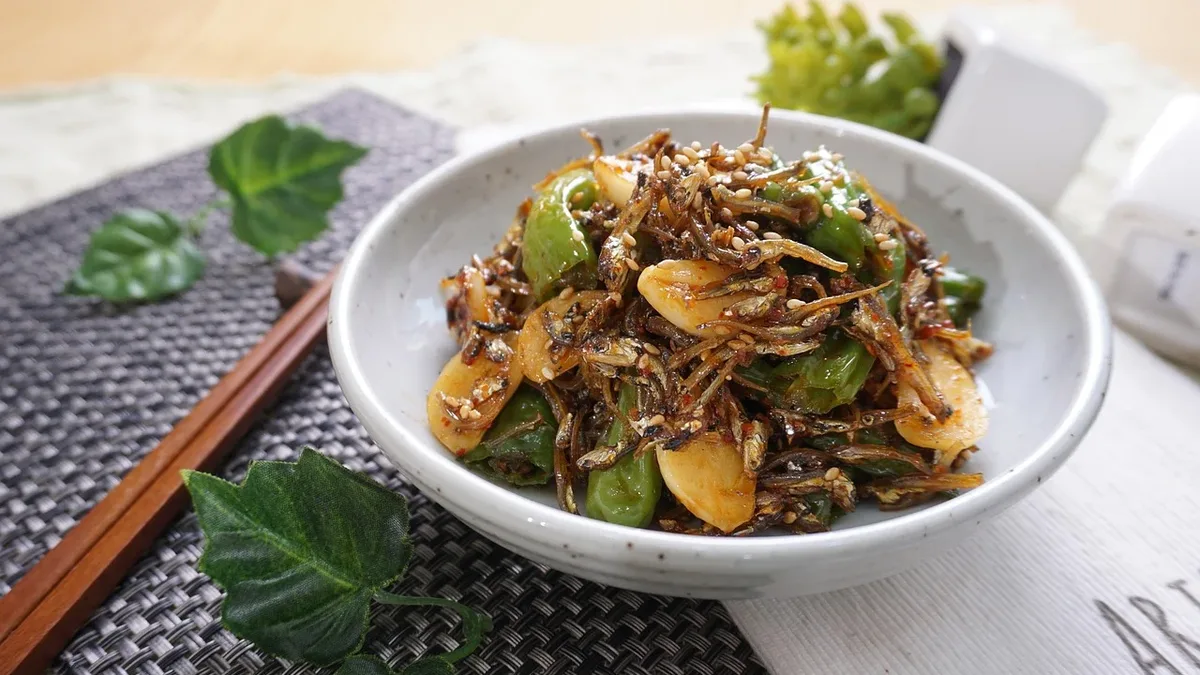
Miso Eggplant Stir-Fry is a classic Japanese home-cooked side dish. The recipe, from Just One Cookbook, pairs thin-skinned Japanese eggplant with a rich, quick-cooking miso sauce.
This dish relies on specific techniques and ingredients for success. The choice of eggplant and the cutting method are key for the final texture and flavor.
Key Ingredients and Their Roles
Japanese or Chinese eggplants are preferred for their thin skin and fewer seeds, which yield a tender, silky texture when seared. A globe eggplant can be substituted if the skin is left on. The sauce combines miso, sake, mirin, soy sauce, and grated ginger. White miso creates a sweeter, milder flavor, while red miso offers a deeper, saltier umami profile. Sake removes harsh notes, and mirin adds sweetness and gloss to the glaze.
Cooking begins with a mix of neutral oil and toasted sesame oil. The sesame oil provides a nutty aroma from the start of the sear.
The Rangiri Cutting Technique
The recipe specifies using the Japanese rangiri, or roll-cut technique. This involves making angled, irregular cuts along the eggplant. This method is not only for aesthetics. It creates pieces with more surface area. The increased surface allows each piece to cook faster and absorb more of the miso sauce during the brief glazing step.
Author Nami advises cutting the eggplant right before cooking, as it browns quickly once sliced.
Cooking Process and Timing
The cooking process is fast. After cutting the eggplant, heat the oils in a skillet over medium heat. Sear the eggplant pieces undisturbed for one and a half to three minutes per side, until they are golden brown and tender.
Once seared, the pre-mixed miso sauce is poured in. The pan is shaken to coat every piece. This final stage is brief. "Miso burns quickly because of its sugar content," the source notes. The sauce should cook for only 30 to 60 seconds, just until it thickens and clings to the eggplant, before immediately removing the pan from the heat.
Make-Ahead and Storage Tips
The miso sauce can be whisked together up to three days in advance and stored covered in the refrigerator. This leaves only the cutting and searing for the night of cooking.
Leftovers can be refrigerated in an airtight container for up to three days. Freezing is not recommended, as the eggplant becomes watery upon thawing. To reheat, warm the stir-fry in a skillet over medium heat for about two minutes with a splash of water to revive the glaze. Microwaving in short bursts is also an option, but care should be taken not to overheat and compromise the eggplant's texture.
Recipe Variations and Serving Suggestions
The recipe is presented as a versatile base. For a heartier main dish, thinly sliced chicken or pork can be added. The source links to a separate Miso Pork and Eggplant Stir-Fry recipe for specific timing guidance.
Vegetable additions are encouraged to use up leftovers. Bell peppers, zucchini, onions, or Japanese mushrooms like shiitake can be tossed in. For extra heat, cooks can add minced garlic, a dab of doubanjiang (chili bean paste), or finely sliced dried red chili.
The dish is naturally vegan if the miso used does not contain added dashi fish stock. The source suggests checking labels to confirm.
To complete a meal, the article suggests pairing the stir-fry with sides like Japanese Salted Salmon for protein, a cool Japanese Spinach Salad, or Ume Shiso Rice, where the tart pickled plum cuts through the miso's richness.
One reader, identified as Scottee, commented on the recipe page, saying, "I made this last night... It was quick, simple, and very delicious." The author shares a personal note, recalling her own childhood dislike for eggplant and her hope that her children will eventually come to enjoy it as she does now.