Toasting Grains Deepens Flavor for Risotto and Pilaf
A simple pre-toasting step in a dry skillet can significantly enhance the nutty, aromatic flavor of grains like rice, farro, and quinoa, according to a
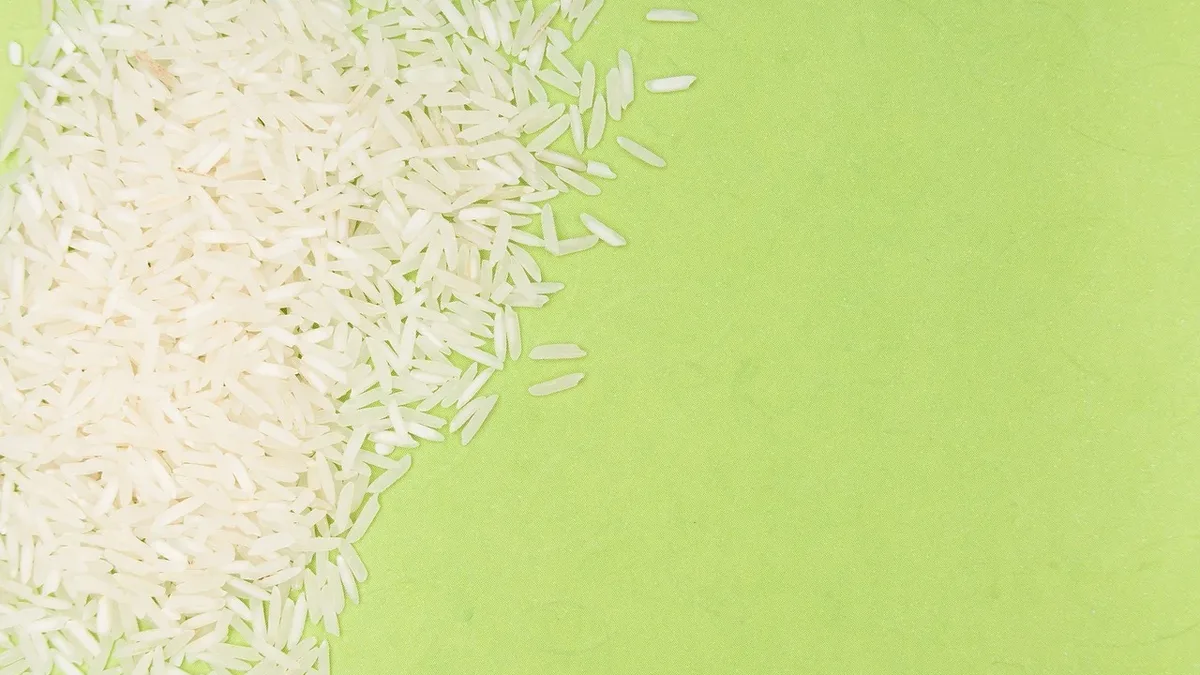
Toasting raw grains in a hot pan before cooking them can give dishes like risotto, pilaf, and grain salads a deeper, more complex flavor. This technique, sometimes called parching, works by drawing out nutty aromas through a brief application of dry heat.
Serious Eats conducted side-by-side blind taste tests comparing toasted and untoasted batches of rice and farro. Tasters consistently found the toasted grains had a heartier, more fragrant baseline flavor, while the untoasted versions were mild and subdued. The texture of the grains remained fluffy and tender regardless of the method.
How the Toasting Process Works
The method is straightforward and works for a variety of grains. Heat a wide pan or pot over medium heat. For a pure nutty flavor, use a dry pan; for added richness, start with a little oil or butter. Add the raw grains, spread them evenly, and stir occasionally until they become aromatic and often change color. This usually takes between two and six minutes. Once toasted, simply add water or broth and cook as you normally would.
The Science Behind the Flavor Shift
The improvement in flavor is not only perceptual. High heat alters the chemical composition of the grains, creating aromas absent when they are boiled directly. Refined grains like white rice or pearled barley often turn slightly translucent in the pan as their starchy endosperm reacts to the heat. Whole grains like farro or quinoa, which retain their bran, do not become translucent but will deepen in color. In both cases, the scent shifts from flat and starchy to warm and nutty, carrying that complexity through to the finished dish.
When to Use the Technique
Whether the extra step is worthwhile depends entirely on the dish. The publication recommends toasting when the grains are the star of the meal. For a pilaf, a grain salad, or a risotto-where toasting the rice is considered an essential step-the nutty undertone makes the dish feel more complete and layered.
However, for grains that will serve primarily as a neutral backdrop to bold sauces, curries, or stews, you can likely skip toasting. In those contexts, the stronger flavors of the main dish will overwhelm the subtle toasted notes, making the extra effort unnecessary.
The technique offers a reliable way to add an earthy undertone, making even a simple pot of grains taste fuller and more aromatic without changing its fundamental texture.