Gulf Oyster Safety Amid Rising Vibrio Cases
A rise in Vibrio vulnificus infections linked to warmer Gulf waters is prompting food safety experts to reaffirm guidelines for eating raw oysters.
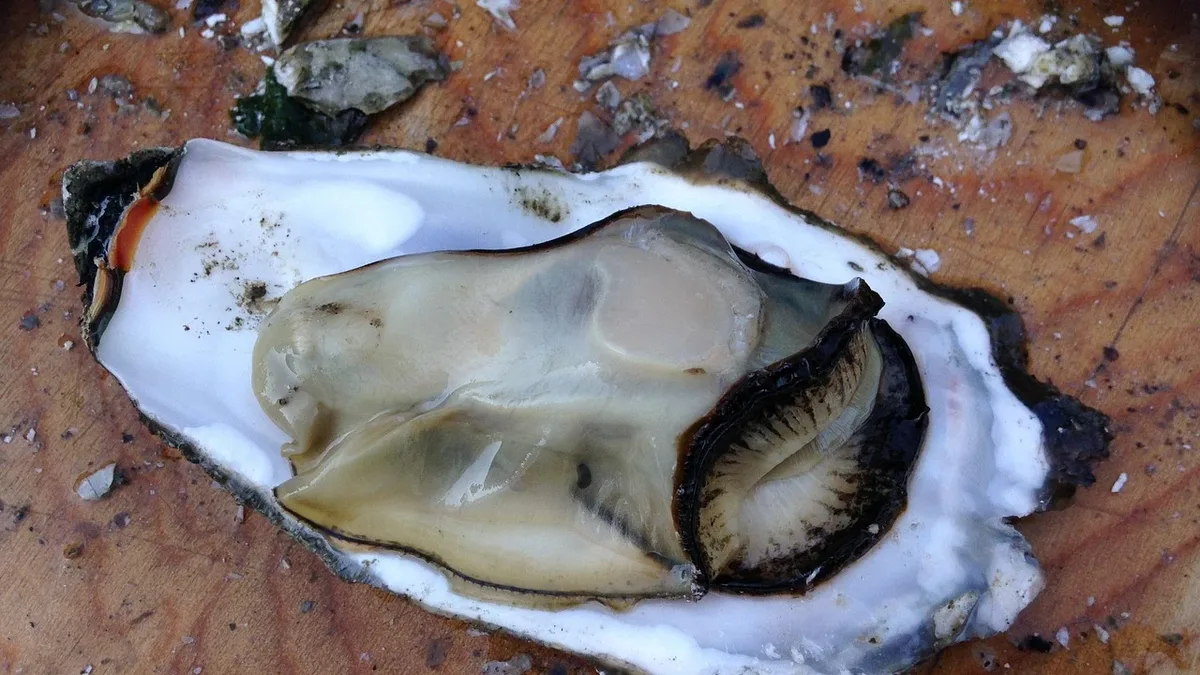
A reported increase in infections from Vibrio vulnificus bacteria in the Gulf of Mexico is prompting renewed food safety guidance for oyster lovers. The Louisiana Department of Health has reported 15 cases and six deaths this year, while Florida has seen 17 cases and three deaths, figures described as a significant increase over the past decade's average of about 10 cases annually.
According to the Centers for Disease Control and Prevention (CDC), Vibrio vulnificus is among the most dangerous variants of Vibrio bacteria, with as many as one in five infected people dying. Others may require limb amputation or extended hospitalization. Infections have increased eightfold in the last 30 years, a trend linked to warming waters from climate change.
Most Infections Are Not From Eating
Despite the association with oysters, most recent infections are not from consumption. The Louisiana Department of Health states that, as of September 2, 2026, 14 of the 15 cases reported this year were linked to wound or seawater exposure. "It just happens," says Dr. Keith Schneider, a professor of food safety at the University of Florida. "Somebody steps on an oyster shell, or goes swimming with a cut in an estuary where the Vibrio vulnificus bacteria is present."
How to Mitigate Risk When Eating Raw
For those eating raw Gulf oysters, experts outline specific risk-mitigation strategies. Dr. Schneider's first recommendation is to adhere to the ancient guideline of only consuming raw oysters in months whose names contain the letter 'R'-September through April. "Sometimes, the old adage is just true," Schneider says. "Warmer waters mean that there are more pathogens in the water."
Sourcing and handling are equally critical. Schneider advises purchasing from reputable purveyors and restaurants, cautioning against super-cheap raw oyster happy hour deals where a focus on low prices might compromise proper handling. "You want to make sure that they’re serving you oysters that are still alive and healthy, because if they’re not, that bacteria will start to multiply," he notes, adding that you cannot tell by look or smell if an oyster is harmful.
High-Risk Groups Should Avoid Raw Oysters
Certain individuals are advised to avoid raw oysters entirely. People with liver conditions like hepatitis are far more vulnerable to severe, life-threatening Vibrio vulnificus infections from raw oysters. Experts also suggest that very young children, the elderly, immunocompromised individuals, and pregnant people should skip raw oysters because their immune systems are less equipped to fight off an infection.
Dr. Schneider, who still eats Gulf oysters, applies a personal risk assessment. "My own personal risk calculus really depends on the time of the year and the number of oysters I’m planning to consume," he stated. "I think generally the risk is fairly low, especially if you’re getting them from a reputable establishment."
Safety Through Processing and Cooking
The industry employs monitoring and new technologies to improve safety. Louisiana's Molluscan Shellfish Program, for instance, uses shipping tags to track oyster batches in case of an outbreak. Some producers, like Prestige Oysters in Texas, use high-pressure processing (HPP) to virtually eliminate pathogens like Vibrio while separating meat from shell. A downside is that many consumers find the HPP process alters the oyster's texture and fresh flavor.
For absolute safety, cooking remains the most straightforward solution. Heat kills Vibrio bacteria. The CDC provides specific cooking times to ensure safety:
| Cooking Method | Temperature/Time |
|---|---|
| Boiling or frying in hot oil | 3 minutes |
| Roasting in oven | 450°F for 10 minutes |
The CDC also states that home remedies like using hot sauce, lemon juice, or alcohol to kill the bacteria are not supported by research.