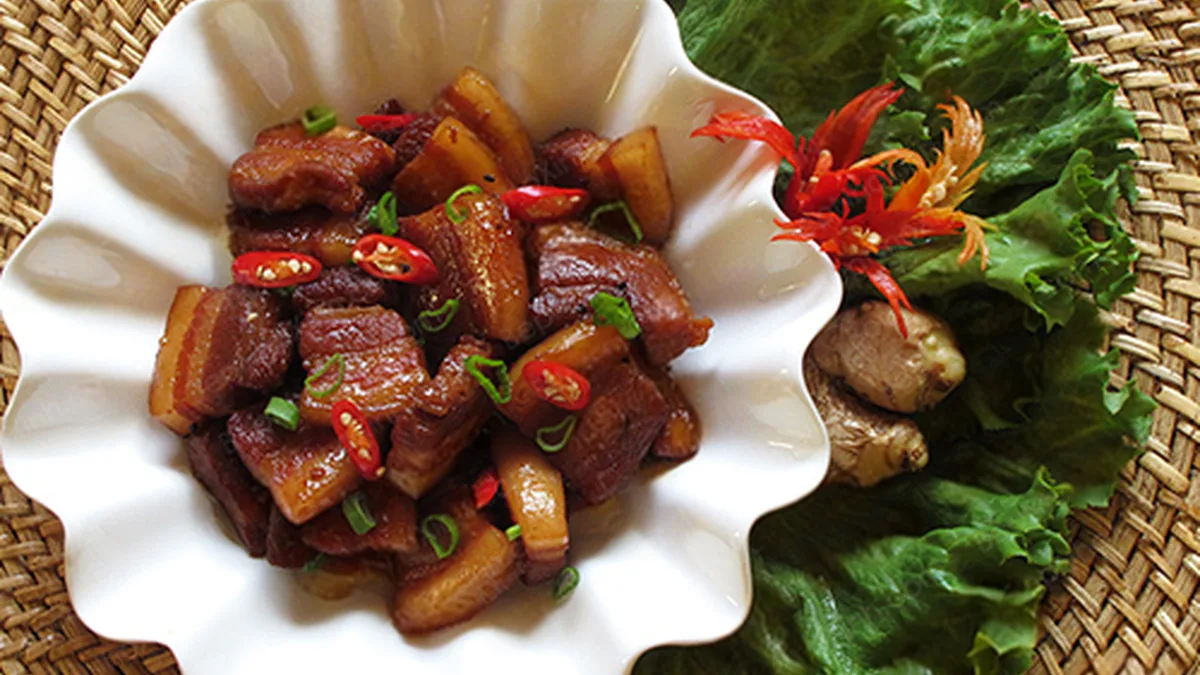
Budget Cooking
| Primary ingredient | Varies, typically economical proteins or staples |
|---|---|
| Core technique | Maximizing flavor and nutrition from low-cost ingredients |
| Key principle | Prioritizing cost-effectiveness without sacrificing basic nutrition |
| Common staples | Rice, beans, lentils, pasta, potatoes, eggs, canned tomatoes |
| Flavor foundation | Onions, garlic, carrots, celery, herbs, spices |
| Typical goal | Producing multiple servings or meals from a single preparation |
| Skill level | Beginner to intermediate |
Origin and history
Budget Cooking is not a single dish with a defined origin, but a global culinary practice rooted in economic necessity. Its principles have been documented across cultures for centuries, whenever populations faced resource scarcity or financial constraint. The formalized concept of "Budget Cooking" as a recognized category in cookbooks and media emerged in Western countries during the early 20th century. This was particularly evident during the Great Depression of the 1930s, when widespread poverty necessitated guides for stretching minimal ingredients. The practice saw a resurgence in published form during the mid-20th century with the rise of homemaker magazines focused on frugality. Its continuous evolution is tied directly to economic cycles, making it a persistent and adaptive approach to meal preparation rather than a recipe with a single point of origin.
Ingredients
Ingredients in Budget Cooking are defined by their low cost, high availability, and nutritional density, not by a fixed list. Staples typically include dried legumes, such as lentils or beans, which provide inexpensive protein. Whole grains like rice, oats, and pasta form a cheap, filling carbohydrate base. Root vegetables, such as potatoes, carrots, and onions, are favored for their affordability, long shelf life, and versatility. Canned tomatoes and other non-perishable vegetables are common for adding flavor and bulk without spoilage risk. Affordable cuts of meat, like chicken thighs or ground meat, are used sparingly as a flavoring agent rather than a main component. Basic seasoning agents like salt, pepper, dried herbs, and spices are essential for transforming simple ingredients.
How to make it
- Plan your meals for the week based on store flyers, seasonal produce, and pantry staples you already own. 2. Create a detailed shopping list from your meal plan and strictly adhere to it to avoid impulse purchases. 3. Prioritize purchasing bulk dry goods, whole vegetables, and family-sized packages of proteins where unit costs are lower. 4. Employ foundational techniques like braising, stewing, and casseroling to tenderize cheaper, tougher cuts of meat and create filling one-pot meals. 5. Cook in large batches to utilize ingredients efficiently and produce leftovers for multiple meals, reducing waste and active cooking time. 6. Repurpose leftovers creatively; for example, turn a roast chicken into soup, sandwiches, and a pasta dish over subsequent days. 7. Master the use of herbs, spices, and aromatic vegetables to create depth of flavor without relying on expensive ingredients. 8. Practice proper storage of all food items to extend their shelf life and prevent spoilage, which is a major budget drain.
Variations and serving
Variations in Budget Cooking are infinite, shaped by regional cuisines, dietary restrictions, and available discounted ingredients. A base of rice and beans can be flavored with Cajun spices, Mexican chili powder, or Indian curry blends to create entirely different dishes. Soups and stews are quintessential vessels for budget cooking, easily adapted to incorporate any combination of cheap vegetables, grains, and small amounts of protein. Stir-fries utilizing modest amounts of meat with abundant cabbage, carrots, and bell peppers over rice are another global staple. Serving often focuses on making a single protein source stretch, such as using a small amount of ground beef in a pasta sauce loaded with lentils and tomatoes. Presentation may be simple, with an emphasis on hearty, satisfying portions that prioritize nourishment over elaborate plating.
Overview
Budget Cooking is a systematic approach to food preparation that prioritizes minimizing cost while maximizing nutritional value and satiety. It is a methodology rather than a specific recipe, built on principles of planning, efficient technique, and resourcefulness. The core philosophy treats food expenditure as a flexible budget category that can be actively managed through informed choices and kitchen skills. Success depends more on the cook's strategy and knowledge than on any particular ingredient, making it accessible to anyone willing to learn its rules. It stands in direct contrast to cooking that relies on premium, out-of-season, or pre-processed convenience ingredients. Ultimately, it is a practical discipline that transforms constraints into creativity within the kitchen.
What to know
The decisive technique in Budget Cooking is not a specific culinary skill but the overarching practice of meal planning and strategic shopping. Without a plan, cooks inevitably purchase items that go unused or opt for costly convenience foods, undermining the entire effort. Effective budgeting happens at the grocery store, not just in the kitchen, by purchasing ingredients with multiple planned uses. Another critical technique is mastering the use of acid and fat to elevate humble ingredients, as a splash of vinegar or a small amount of butter can dramatically improve a simple dish. Understanding how to properly cook dried beans and grains from scratch is a fundamental money-saving skill that avoids canned or pre-cooked premiums. Waste prevention through proper storage and leftover repurposing is equally vital, as thrown-away food is literally thrown-away money. The approach requires an upfront investment of time and mental energy that is non-negotiable for its success.
Common questions
A common question is whether Budget Cooking means eating the same boring meals repeatedly, but its principle of variation using spices and global cuisines prevents monotony. People often ask if it is more time-consuming, and while planning and from-scratch cooking take initial time, batch cooking ultimately saves time across a week. Many wonder if nutritional quality suffers, but a focus on whole grains, legumes, and vegetables often results in a healthier diet than one reliant on processed foods. A frequent concern is the startup cost of building a pantry with spices and staples, which can be done gradually by acquiring one or two items per shopping trip. Individuals ask how to begin, and the universal advice is to start by tracking current food spending and then planning just three dinners for the upcoming week. Another question involves family acceptance, which is best addressed by gradually introducing new budget dishes alongside familiar favorites.
Pros and cons
A major pro of Budget Cooking is significant financial savings on grocery bills, freeing up income for other essential or discretionary spending. It also promotes reduced food waste through intentional planning and use of leftovers, which is environmentally beneficial. The discipline often leads to healthier eating patterns, as meals are built from whole ingredients rather than processed convenience foods. A significant con is the substantial upfront investment of time required for planning, shopping strategically, and cooking from scratch, which can be prohibitive for those with very busy schedules. The approach can lead to culinary fatigue or frustration if the cook does not actively seek variety, resulting in repetitive meals that feel like a chore. A common mistake is attempting to replicate expensive restaurant dishes with cheap substitutes, which leads to disappointment; success lies in celebrating the strengths of inexpensive ingredients themselves.
Who it suits
Budget Cooking ideally suits individuals and families with a strong motivation to reduce their monthly food expenditure, whether by necessity or choice. It is well-matched to home cooks who enjoy the process of planning, organizing, and seeing a project through from list to leftovers. People with flexible palates who are willing to explore global cuisines built on frugal staples will find the most satisfaction and variety in this approach. It is less suited to those with extremely unpredictable schedules or who cannot commit a few hours weekly to meal preparation and planning. Individuals who highly value spontaneous eating, frequent takeout, or premium ingredients may find the constraints overly restrictive and frustrating. Ultimately, it is a practical fit for anyone viewing cooking as both a necessary cost center and a manageable creative outlet.
Latest Budget Cooking news
Latest reporting
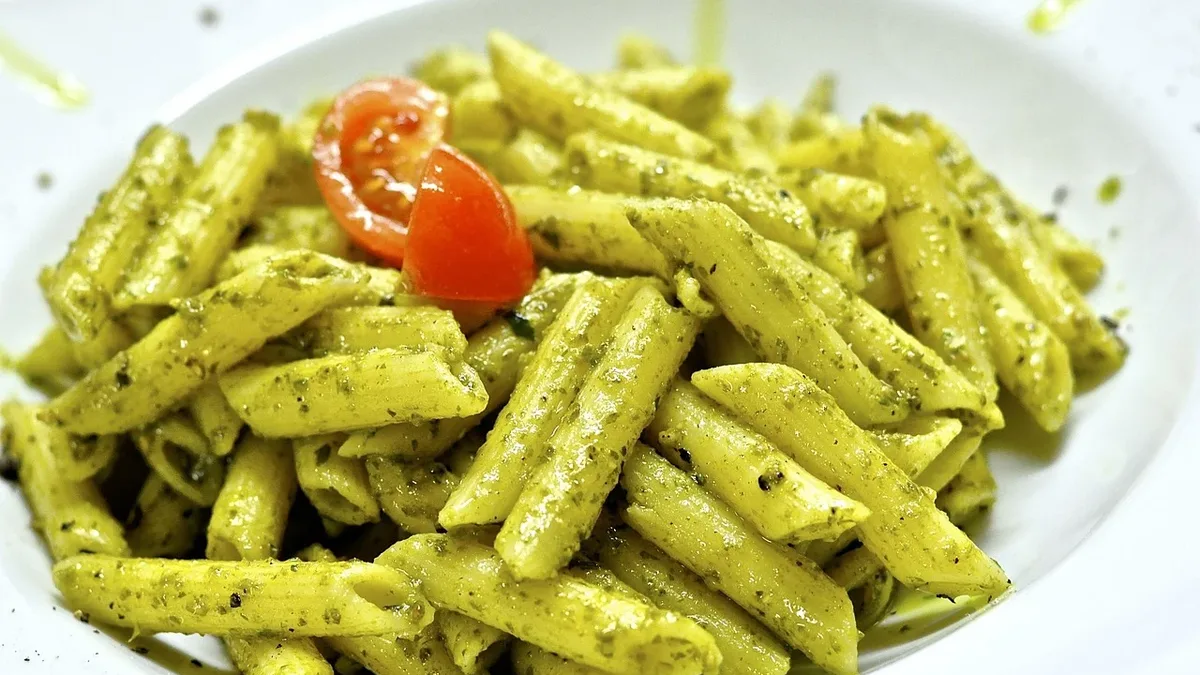
9 Easy Vegetarian Pasta Recipes for Busy Nights
A collection of nine simple vegetarian pasta dishes, from creamy penne alla vodka to baked ziti, designed for quick weeknight cooking.
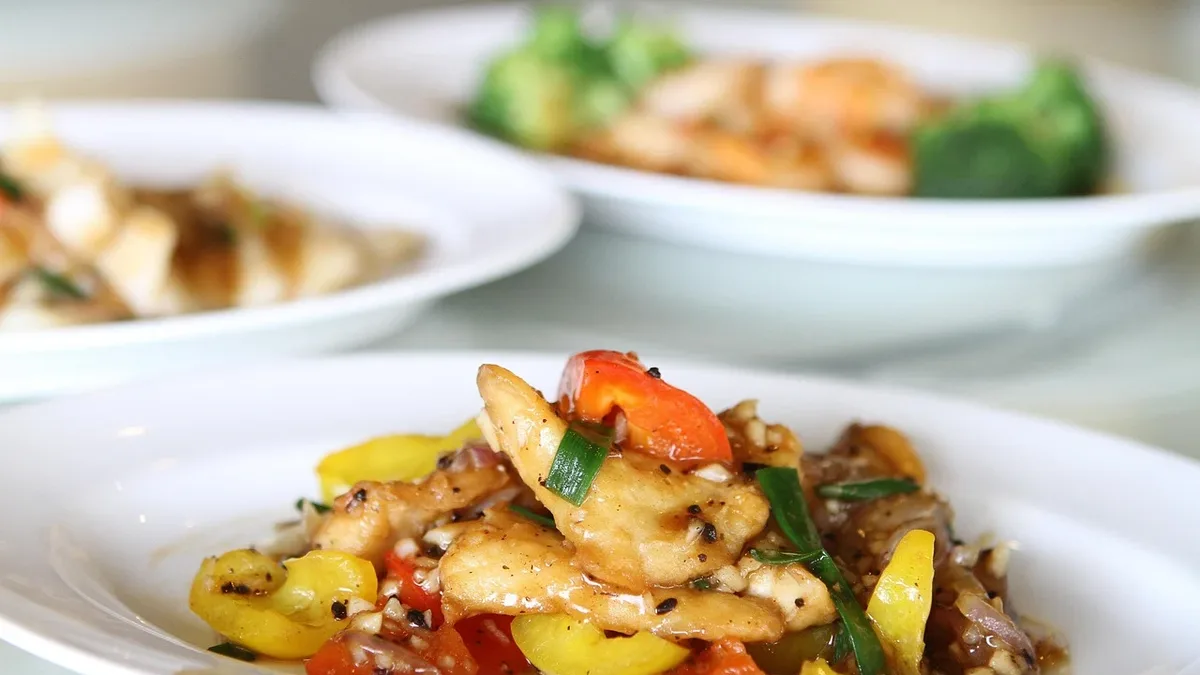
Southern Living's 60 Lazy Dinner Ideas for Minimal Effort
Southern Living has compiled a list of 60 low-maintenance dinner recipes, from 10-minute stir-fries to slow-cooker soups, designed for nights when...

Serious Eats Editors Share 8 Kitchen Shortcuts
Food editors from Serious Eats reveal their favorite store-bought swaps and time-saving techniques for easier weeknight cooking, from instant dashi to
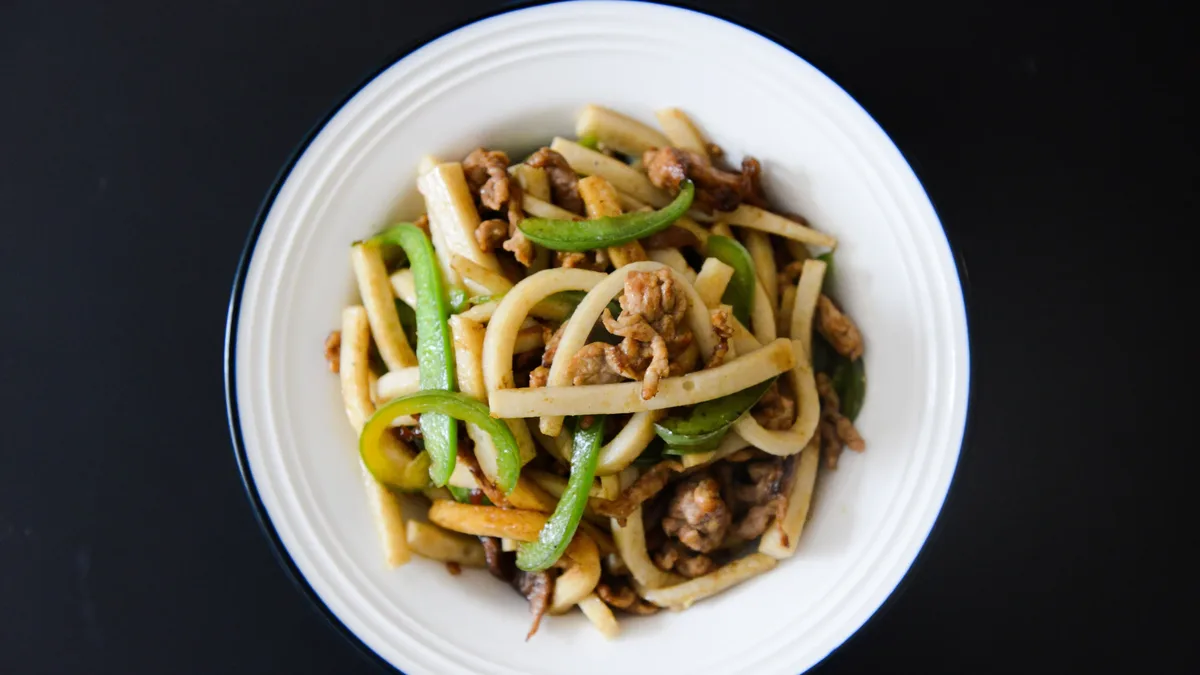
Pork Belly and Yu Choy Stir Fry Recipe
A recipe for a quick stir fry using pork belly and yu choy, where the seared pork provides both flavor and cooking fat.

Yams vs. Sweet Potatoes: A Guide for Better Cooking
A culinary guide clarifies the difference between yams and sweet potatoes, tracing the historical naming confusion and detailing the unique cooking

Serious Eats Readers' Most-Saved Weeknight Recipes
Serious Eats readers are saving easy, seasonal recipes for pasta, sheet-pan chicken, grilled steak, and dessert bars as they return to fall cooking