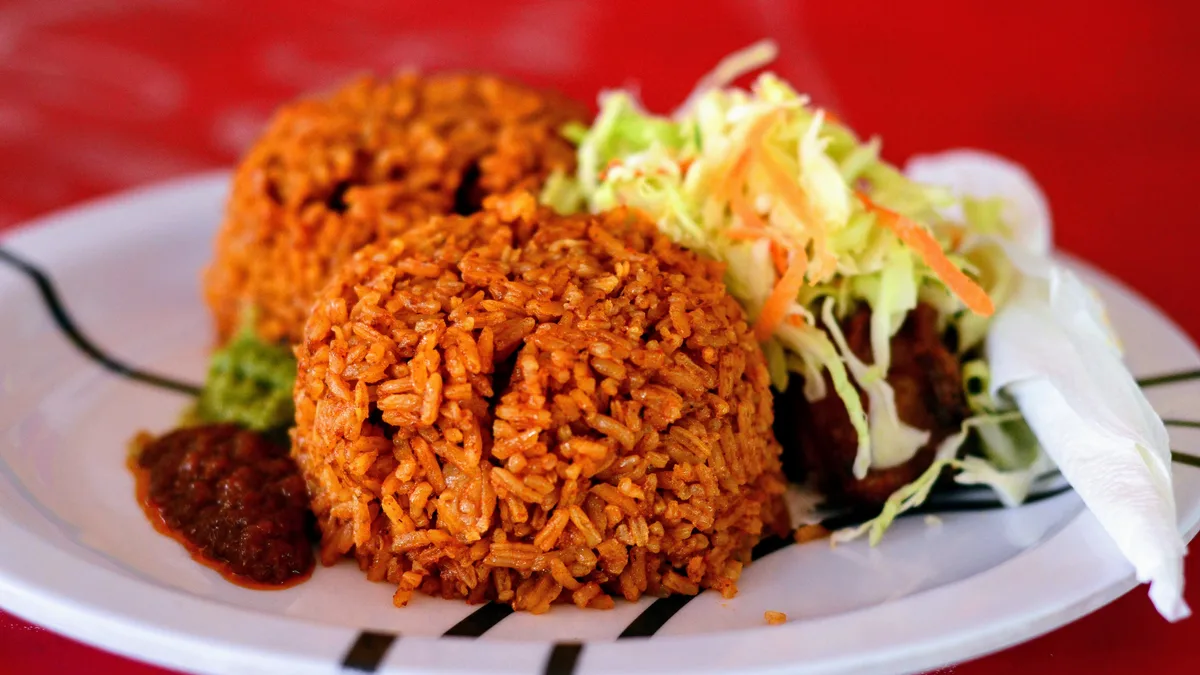
Rice
| Core grain | Rice (Oryza sativa or Oryza glaberrima) |
|---|---|
| Country of origin | Multiple independent domestications in Asia and Africa |
| First created | Approximately 8,000–13,000 years ago |
| Original use | Staple food crop |
| Key technique | Water management (water level and timing) |
| Cooking water ratio | Varies by type (typically 1:1 to 1:2 rice to water) |
| Primary texture outcomes | Fluffy, sticky, or creamy |
| Major culinary types | Long-grain, medium-grain, short-grain |
Origin and history
Rice is a cereal grain that was first domesticated from wild grass species in Asia. The earliest archaeological evidence for rice cultivation comes from the Yangtze River valley in China, dating to approximately 8,000-9,000 years ago. Separate domestication events also occurred for the African rice species, Oryza glaberrima, in the Niger River delta around 2,000-3,000 years ago. The cultivation of Asian rice, Oryza sativa, spread from China to Korea, Japan, Southeast Asia, and the Indian subcontinent over millennia. Rice was introduced to Europe through trade routes and later to the Americas by European colonists. Its central role as a staple food for more than half the world's population developed over thousands of years of agricultural practice and cultural integration.
Ingredients
Raw, unmilled rice grains (Oryza sativa or Oryza glaberrima) Water Salt (optional, for flavor)
How to make it
- Measure the desired amount of raw rice using a standard measuring cup. 2. Place the rice in a bowl and rinse it under cold running water, agitating with your fingers, until the water runs mostly clear to remove excess surface starch. 3. Drain the rinsed rice thoroughly using a fine-mesh strainer. 4. Transfer the rice to a cooking pot and add the appropriate volume of water according to the specific rice variety; a common starting ratio is 1 part rice to 1.5 parts water for white long-grain rice. 5. Optionally, add a pinch of salt to the pot and stir once to distribute. 6. Place the pot over high heat and bring the water to a full, rolling boil. 7. Once boiling, immediately reduce the heat to the lowest possible setting and cover the pot with a tight-fitting lid. 8. Allow the rice to simmer undisturbed for the time specified for the variety, typically 18-20 minutes for white rice. 9. After the cooking time has elapsed, remove the pot from the heat and let it stand, still covered, for 10 minutes to allow residual steam to finish the cooking. 10. Uncover the pot and fluff the cooked rice gently with a fork before serving.
Variations and serving
Rice varieties are broadly categorized by grain length, short, medium, and long, and by processing, such as brown, white, or parboiled. Specific cultivars like aromatic Basmati or Jasmine rice have distinct flavors and textures suited to different cuisines. Cooking methods vary widely, including the absorption method, the pilaf method where rice is first sautéed in fat, and the boiling method used for pasta. Rice is served as a plain staple accompaniment to curries, stir-fries, and stews across Asia, Africa, and Latin America. It is also the foundational ingredient in specific dishes like Spanish paella, Italian risotto, Japanese sushi, and Indian biryani. Processed rice products include rice flour, rice noodles, rice paper, rice vinegar, and rice milk, each used in specialized culinary applications.
Overview
Rice is a globally cultivated cereal grain that serves as the primary caloric source for billions of people. Its cultivation requires significant water resources and is typically grown in flooded paddies for many varieties, though some are grown in upland conditions. The grain's nutritional profile is dominated by carbohydrates, primarily in the form of starch, with minimal fat and a small amount of protein. White rice is a milled product where the bran and germ are removed, while brown rice retains these layers, offering more fiber, vitamins, and minerals. The cooking process hydrates and gelatinizes the starch granules within the grain, transforming hard kernels into an edible, soft food. Its neutral flavor and versatile texture make it an ideal base for absorbing the flavors of accompanying dishes and sauces.
What to know
The critical technique for successfully cooking plain rice is the precise management of water volume, heat, and steam. Incorrect water-to-rice ratios are the most common cause of failure, resulting in a crunchy, undercooked product or a mushy, overcooked paste. Using a pot with a heavy bottom and a very tight-fitting lid is essential to maintain a consistent, low simmer and prevent steam from escaping. Disturbing the rice by stirring during the cooking process will break the grains and release excess starch, creating a gummy texture. The resting period off the heat after cooking is not optional; it allows for even moisture distribution and completes the cooking process via residual heat. Different rice varieties, such as short-grain sushi rice or long-grain Basmati, require adjusted water ratios and cooking times, so consulting package instructions is advisable.
Common questions
Can I cook rice without measuring the water? While experienced cooks may use the knuckle method, precise measurement is recommended for consistent results, especially with unfamiliar rice types or pots. Does rinsing rice make a difference? Rinsing removes surface starch that causes clumping and gumminess, which is desirable for separate grains but omitted for sticky rice dishes. Why is my rice still hard after cooking? This usually indicates insufficient water or heat that was too high, causing evaporation before the grains could fully absorb water. Can I reheat cooked rice? Yes, reheating with a small addition of water and gentle heat while covered can restore texture, but rice should be stored properly and reheated only once. Is brown rice cooked the same as white rice? No, brown rice requires more water and a significantly longer cooking time due to the intact bran layer. Is rice gluten-free? Plain, unadulterated rice is naturally gluten-free, making it a staple in gluten-free diets.
Pros and cons
The primary advantage of rice is its reliability as a quick-cooking, energy-dense staple that pairs with virtually any cuisine. It is inexpensive, has a long shelf life when stored correctly, and provides a blank canvas for flavors. A significant con is its relatively low nutritional density compared to other whole grains, especially in its polished white form, which lacks the fiber and micronutrients of the whole grain. People following low-carbohydrate or ketogenic diets often regret its inclusion due to its high starch content. The most common mistake is mishandling the water ratio and heat, leading to inconsistent results that can ruin a meal. Furthermore, overcooked, gummy rice is difficult to salvage, often requiring it to be repurposed into another dish like fried rice or rice pudding.
Who it suits
Rice suits individuals and families seeking an economical, filling base for meals, particularly those incorporating saucy components like curries or stews. It is essential for those following cultural culinary traditions from Asia, Latin America, Africa, and parts of Europe where it is a historical staple. Athletes or individuals with high caloric needs may benefit from its efficient energy provision. It is a critical ingredient for people with celiac disease or gluten intolerance as a safe, versatile grain. However, it is less suitable for individuals managing diabetes or blood sugar spikes without careful portion control and pairing with protein and fat. It also may not meet the nutritional priorities of those seeking high-protein or high-fiber whole-grain options unless specifically choosing brown or wild rice varieties.
Latest Rice news
Latest reporting
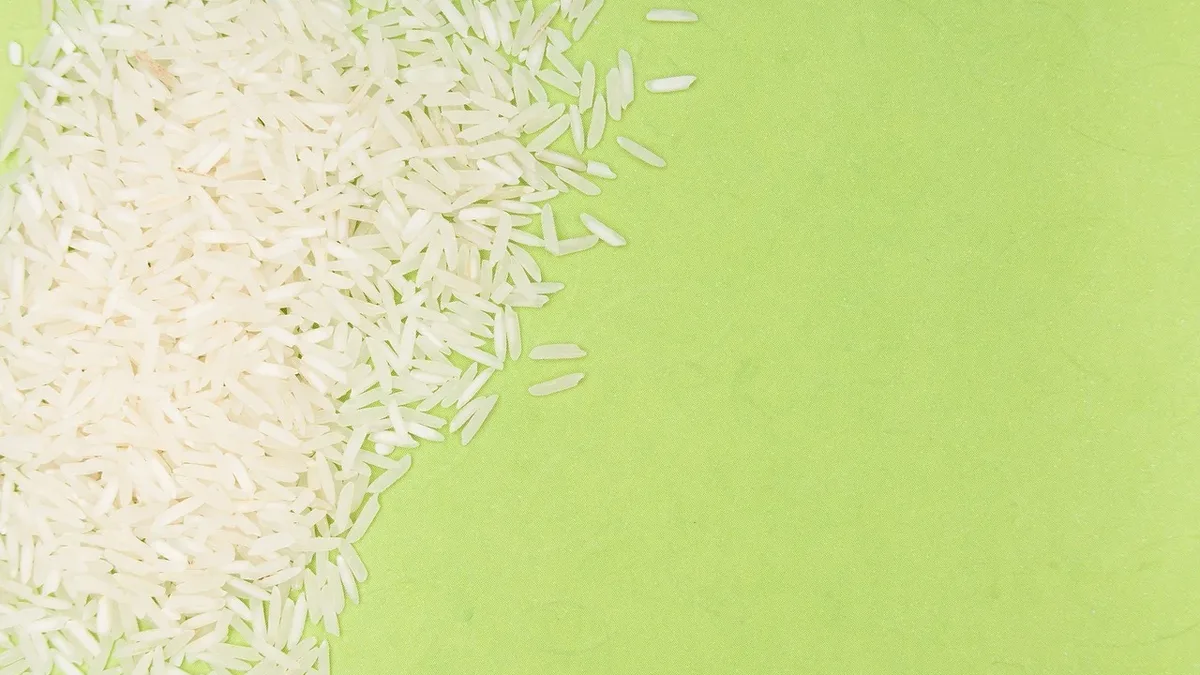
Toasting Grains Deepens Flavor for Risotto and Pilaf
A simple pre-toasting step in a dry skillet can significantly enhance the nutty, aromatic flavor of grains like rice, farro, and quinoa, according to...
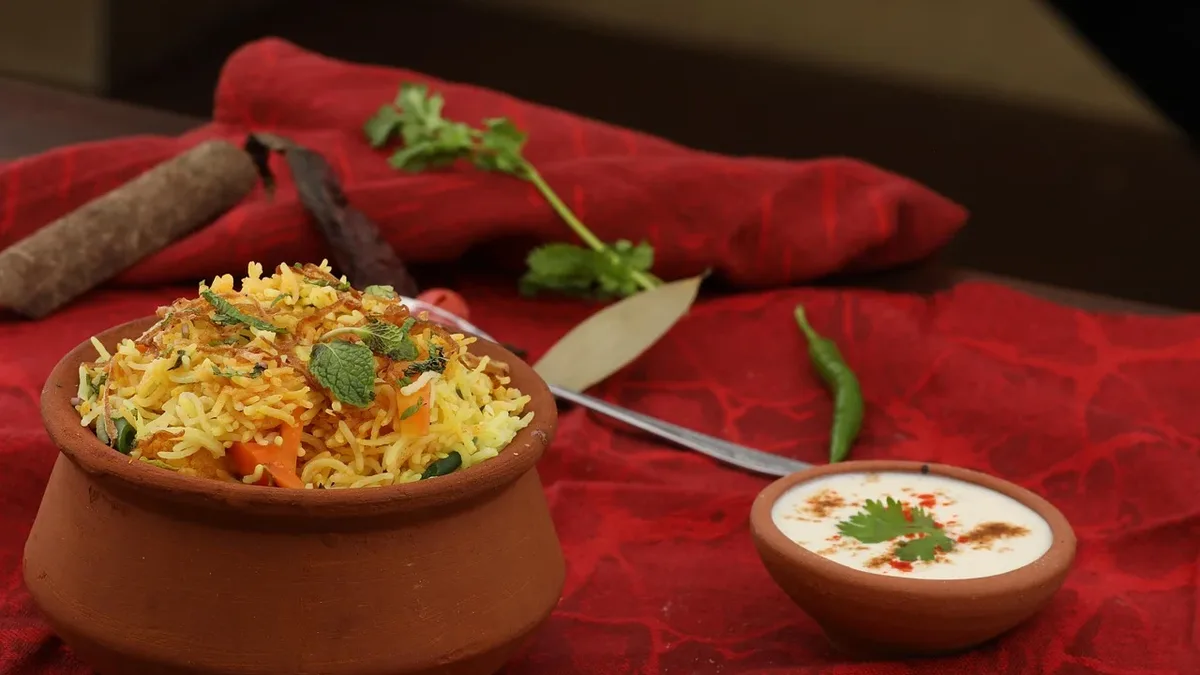
One-Pot Meals Editors Rely On
Serious Eats editors share favorite one-pot recipes for easy cleanup, like kimchi cheese rice and 30-minute white bean soup.
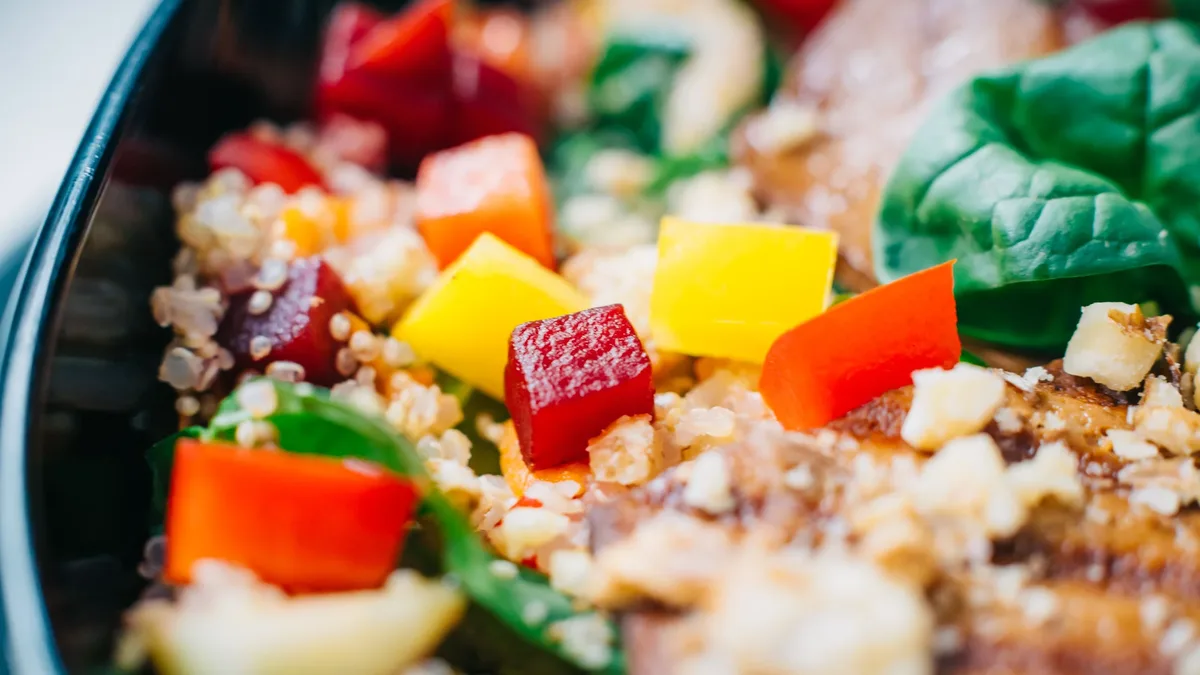
Chinese Vegetable Rice - A Vegan Summer Dish
A quick, vegan-friendly Chinese Caifan recipe that pairs Tri-Color Quinoa rice with fresh Yu Choy and garlic-oil for a light, weight-loss-friendly...
7 Versatile Rice Paper Recipes for Light, Flavorful Meals
Explore the adaptability of Vietnamese rice paper (bánh tráng) with seven recipes, from crispy grilled street food to fresh summer rolls. These...
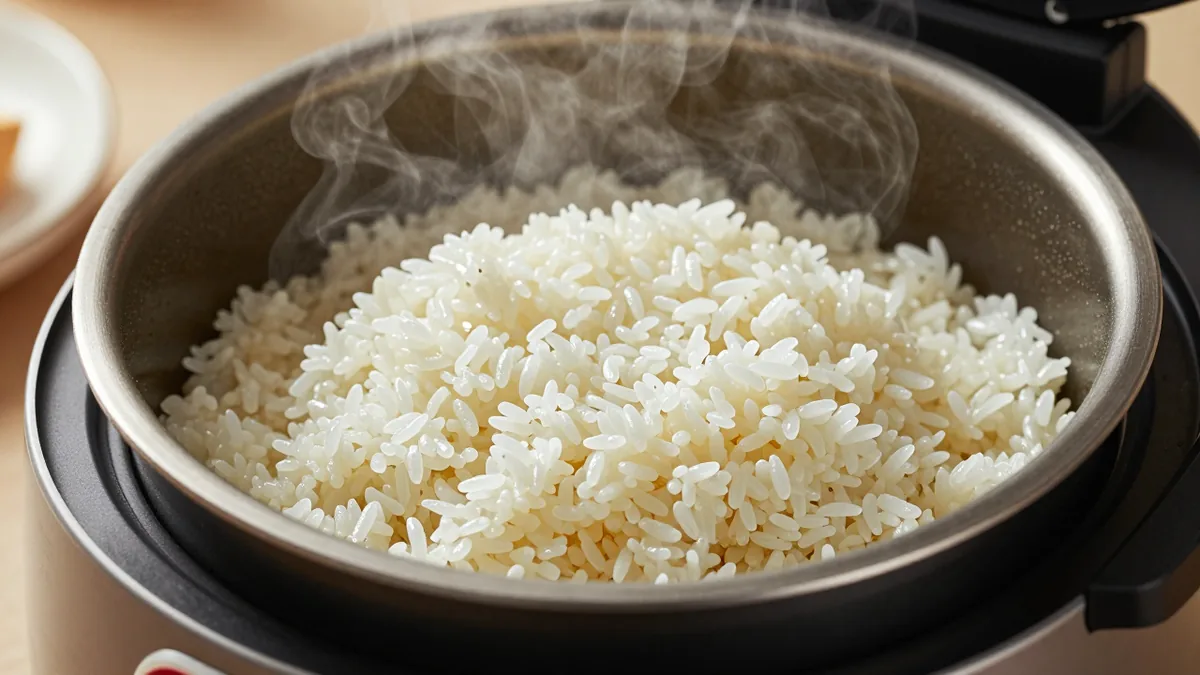
Best Zojirushi Rice Cookers for Every Need
Serious Eats tested six Zojirushi rice cookers to find the best options for various needs and budgets.
17 Authentic Chinese Recipes for Home Cooking
Discover the flavors of China with these 17 authentic recipes, ranging from spicy Sichuan dishes to comforting claypot rice and Cantonese classics.