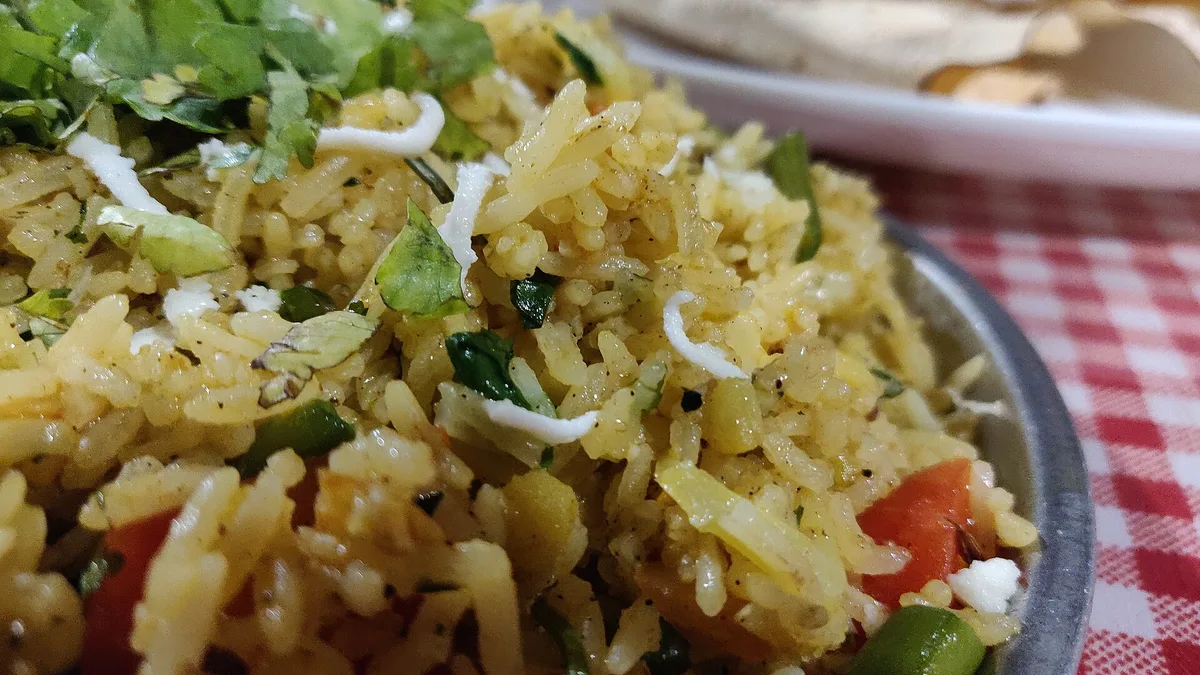
Rice Cooker
| Country of origin | Japan |
|---|---|
| First created | Mid-20th century |
| Original use | Automating the cooking of rice |
| Core technique | Thermostatic control with automatic keep-warm function |
| Typical capacity | 3 to 10 cups of uncooked rice |
| Power source | Mains electricity |
| Key components | Inner cooking pot, heating plate, thermal sensor |
Origin and history
The electric rice cooker is a kitchen appliance originating from Japan in the mid-20th century. Its development is widely credited to Yoshitada Minami, an engineer at the Mitsubishi Electric Corporation, in the late 1940s. The first commercially successful automatic model, which switched from cooking to warming automatically, was introduced by Toshiba in 1955. This innovation addressed the fundamental challenge of consistently cooking rice without burning or undercooking it, a task requiring precise heat and timing. The appliance's popularity spread rapidly throughout East and Southeast Asia before becoming a global kitchen staple. Its evolution has continued with the introduction of computerized fuzzy logic controls in the 1980s and induction heating technology later on.
Ingredients
The primary ingredient for a rice cooker is, of course, rice, which can be of numerous varieties including short-grain, medium-grain, long-grain, jasmine, or basmati. Water is the other essential component, with the ratio to rice being critical for proper texture. A small amount of salt can be added for seasoning, though it is often omitted. For more elaborate dishes, ingredients like broth, coconut milk, or soy sauce may replace some or all of the water. Vegetables, meats, or seafood can be included to create one-pot meals. A minimal amount of fat, such as oil or butter, is sometimes used to prevent sticking or add flavor.
How to make it
- Measure the desired amount of rice using the provided cup or standard dry measuring cups. 2. Rinse the rice in a bowl or pot with cold water, swirling and draining, until the water runs mostly clear. 3. Transfer the rinsed rice to the inner cooking pot of the rice cooker. 4. Add the corresponding amount of fresh water according to the cooker's markings or the rice variety's requirements. 5. If adding other ingredients like vegetables or meat, place them on top of the rice and water. 6. Close the lid securely and press the cook switch or select the appropriate setting for the type of rice. 7. Allow the cooker to complete its cycle, which will automatically switch to "warm" once cooking is finished. 8. Let the rice sit, covered, for 5-10 minutes after cooking before fluffing with a rice paddle and serving.
Variations and serving
Beyond plain white rice, cookers are used for brown rice, sushi rice, and mixed grains like barley or quinoa. Congee or rice porridge is a common preparation achieved by using a significantly higher water-to-rice ratio. Many models include steam trays for simultaneously cooking vegetables, dumplings, or fish above the rice. The appliance can also be used for one-pot dishes like jambalaya, pilafs, or even simple cakes and breads. Cooked rice is typically served directly as a side dish or as the base for bowls, curries, and stir-fries. Leftover rice can be stored in the cooker on the "keep warm" function for a short period, though refrigeration is recommended for longer storage.
Overview
A rice cooker is an automated countertop appliance designed to boil or steam rice to a consistent standard of doneness. Its core function is to apply heat until all free water is absorbed, then reduce temperature to a warming level without user intervention. This is achieved through a thermostat and a spring-loaded switch that triggers when the temperature exceeds 212°F (100°C), indicating water has boiled off. More advanced models use microprocessors and sensors to adjust cooking time and temperature for different rice types and textures. The device fundamentally simplifies a process that traditionally required careful pot watching and heat management. Its reliability and convenience have made it indispensable in households where rice is a daily staple.
What to know
The inner cooking pot is typically made of aluminum with a non-stick coating and must be handled carefully to avoid scratches. The correct water level is paramount; most cookers have graduated lines inside the pot for different rice quantities. It is crucial to use the measuring cup provided with the cooker, as its volume often differs from a standard U.S. cup. Never fill the pot beyond its maximum capacity line, as boiling starchy water can foam and overflow. The appliance must be used on a stable, level, heat-resistant surface away from overhead cabinets. While the "keep warm" function is useful, prolonged holding can dry out the rice and create a hard layer at the bottom over several hours.
Common questions
Can you cook other foods in a rice cooker besides rice? Yes, many people use them to steam vegetables, cook soups, porridge, or even simple one-pot meals with grains, proteins, and vegetables. Is it necessary to rinse rice before cooking it in a rice cooker? Rinsing removes excess surface starch, resulting in less sticky and more distinct grains, and is recommended for most varieties except those like Arborio intended for creaminess. Why does my rice sometimes come out too wet or too dry? This is usually due to an incorrect water-to-rice ratio, which can vary by rice type, age, and whether it was rinsed. What is the difference between a basic thermal cook model and a fuzzy logic model? Fuzzy logic cookers have computer chips that make adjustments during cooking for more precise results across different rice types and conditions. How do you clean a rice cooker? The inner pot and steam tray are dishwasher safe or can be washed by hand, while the exterior and heating plate should be wiped with a damp cloth. Can you open the lid during cooking? It is best to avoid opening the lid, as it releases steam and can disrupt the cooking cycle and temperature.
Pros and cons
The primary advantage is consistent, hands-off results, eliminating the risk of burned or undercooked rice common with stovetop methods. It is extremely convenient for daily use and for keeping rice warm for extended meal times. However, it is a single-purpose appliance for basic models, taking up counter space if used infrequently. The non-stick coating on inner pots can degrade over time, requiring careful handling and eventual replacement. A common mistake is using the wrong water ratio or the wrong setting for the rice variety, leading to poor results that users may blame on the machine. Individuals who cook rice only occasionally may regret the purchase, finding the stovetop method sufficient and the appliance an unnecessary clutter.
Who it suits
This appliance is ideal for households or individuals who consume rice several times a week, for whom consistency and convenience are high priorities. It suits those with limited stovetop space or who prefer not to monitor a pot while cooking other meal components. Students, busy professionals, and anyone with a simple kitchen setup benefit from its one-pot meal capabilities. It is particularly valuable for cooks preparing traditional Asian cuisines where perfectly textured rice is essential. Large families or those who entertain frequently may prefer larger capacity models. It is less suited for those with very limited storage space, infrequent rice eaters, or purists who prefer the specific textural results achievable only through precise stovetop control.
Latest Rice Cooker news
Latest reporting
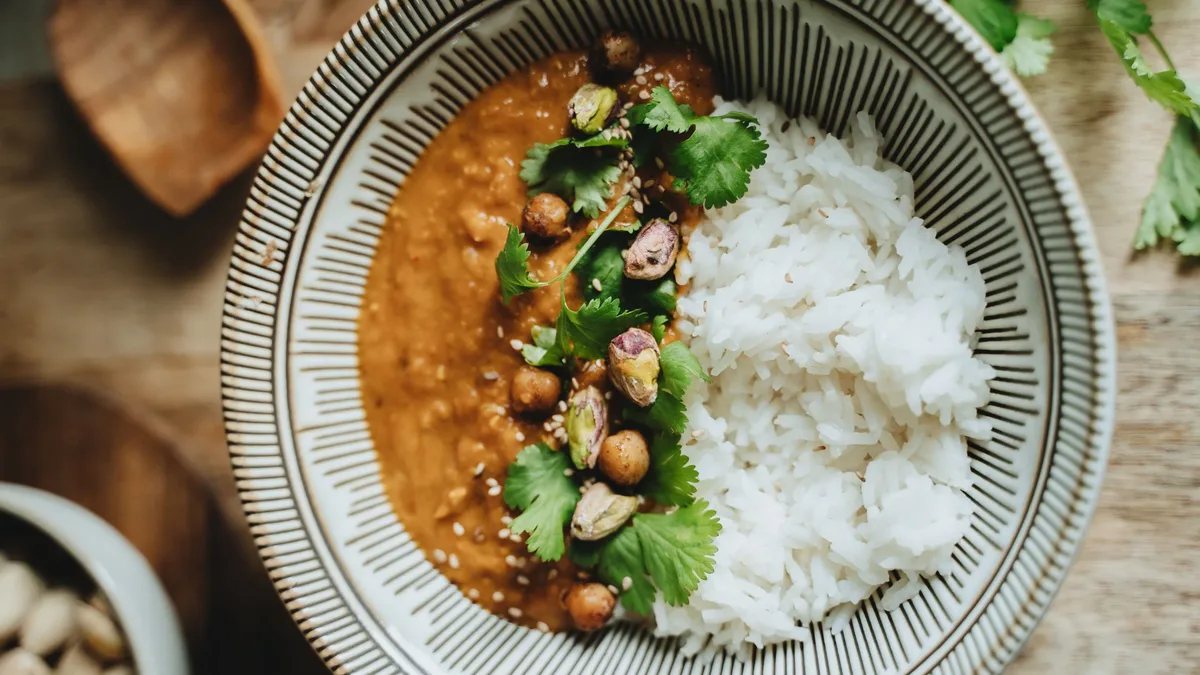
Quick Thai Coconut Curry Recipe Serves Four to Six
A low-effort Thai coconut curry recipe uses chicken thighs and a rice cooker for a family-style dinner, ideal for weeknights and meal prep.
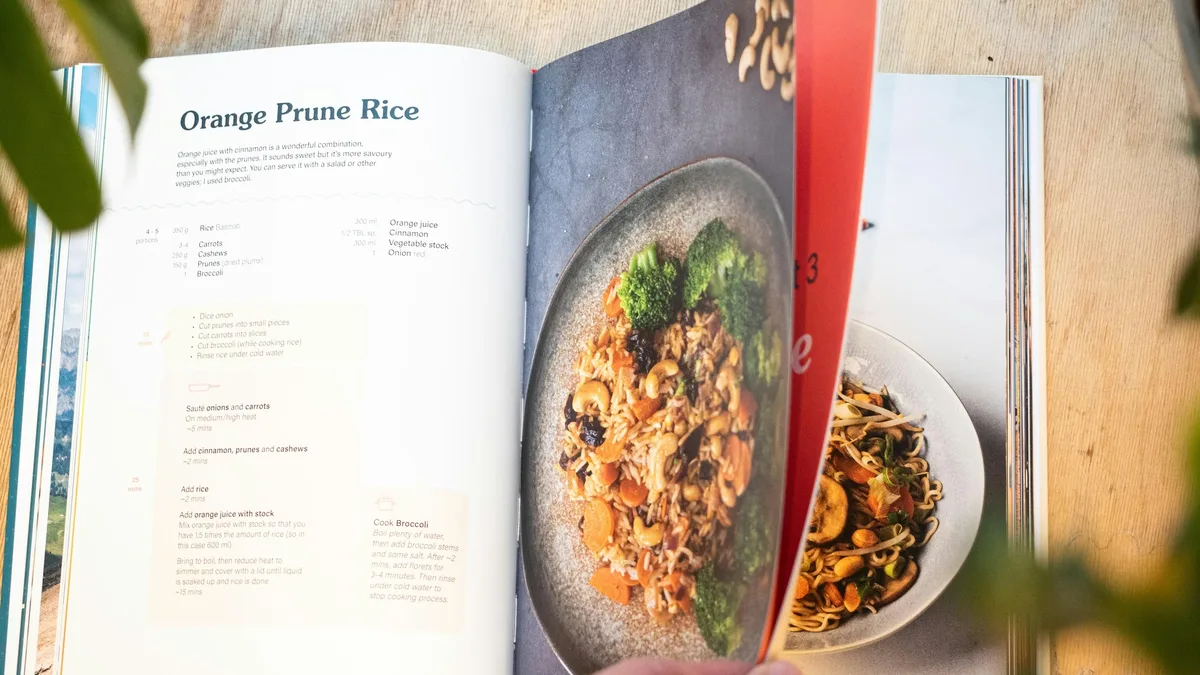
Ganjang Gejang with Frozen Crabs
A guide to making Korean soy-marinated raw crab at home using frozen crabs, and a recipe for Taiwanese savory glutinous rice balls served in a...
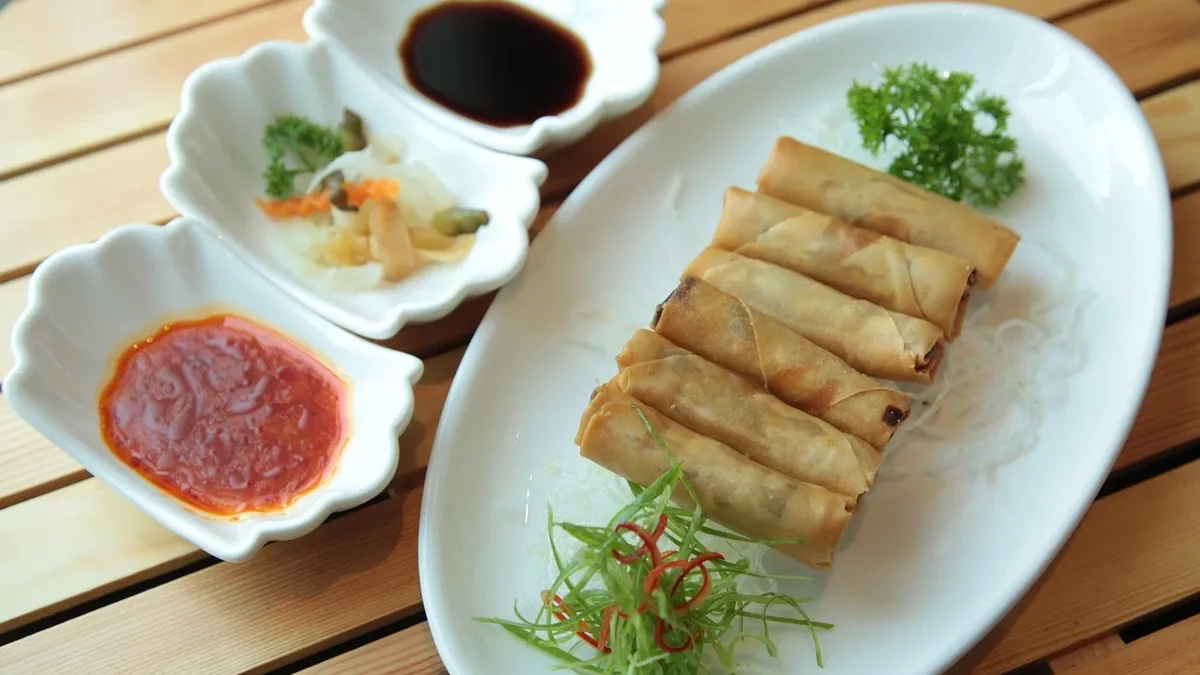
Vegetarian Vietnamese Spring Rolls Recipe
A guide to making fresh vegetarian gỏi cuốn with tips on wrappers and fillings, plus a one-pan teriyaki chicken and vegetable rice bowl for a quick...
Toasting Grains Deepens Flavor for Risotto and Pilaf
A simple pre-toasting step in a dry skillet can significantly enhance the nutty, aromatic flavor of grains like rice, farro, and quinoa.
Southern Living's 60 Lazy Dinner Ideas for Minimal Effort
Southern Living has compiled a list of 60 low-maintenance dinner recipes, from 10-minute stir-fries to slow-cooker soups.
20 Slow Cooker Recipes That Go Beyond Soup
Allrecipes highlights 20 non-soup slow cooker dishes, from meatballs and whole chickens to seafood boils and pasta bakes.