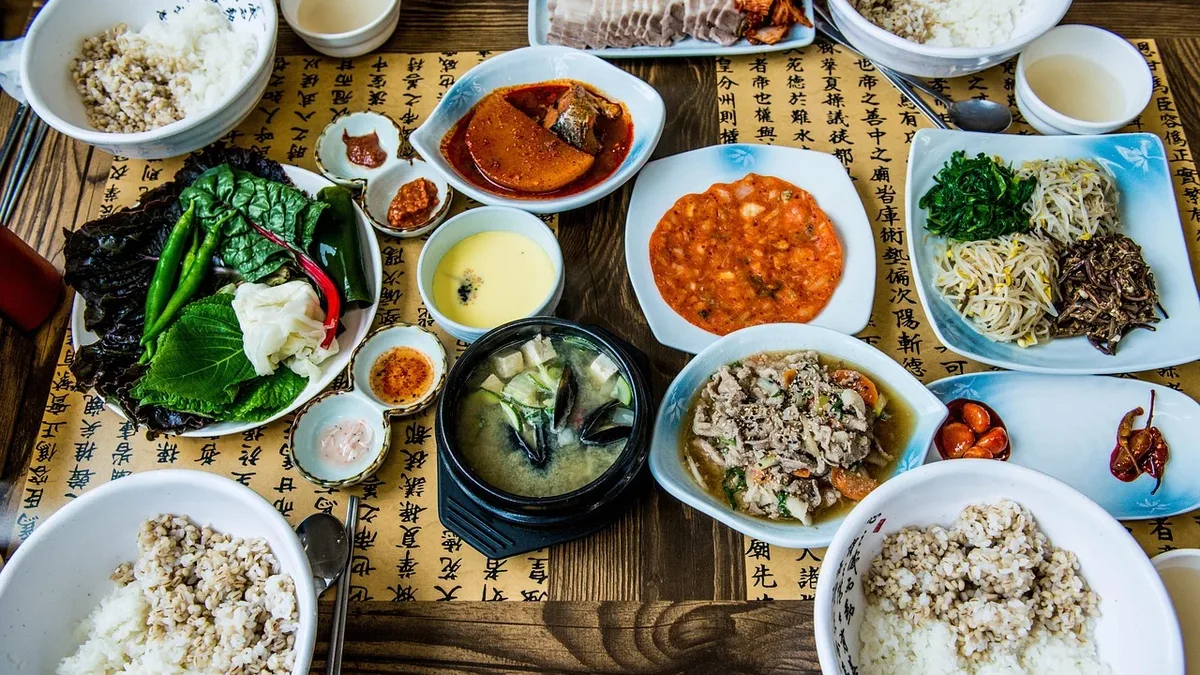
Chinese
Recipe
Chinese cuisine is a diverse and complex culinary tradition with a wide array of regional styles and techniques. A typical Chinese dish involves a balance of flavors, textures, and aromas. The key ingredients often include vegetables, meat, and a variety of sauces and seasonings. For example, stir-frying is a common technique where ingredients are quickly cooked over high heat in a wok with minimal oil. The ingredients are typically cut into small, uniform pieces to ensure even cooking. A classic stir-fry recipe might include ingredients such as chicken, broccoli, bell peppers, and a sauce made from soy sauce, oyster sauce, and cornstarch.
Technique notes
Stir-frying is the cornerstone of Chinese cooking, characterized by its quick and high-heat cooking method. This technique ensures that the ingredients remain tender and vibrant. The wok, a key tool in Chinese cooking, is essential for stir-frying due to its shape, which allows for even heat distribution and easy tossing of ingredients. It's important to preheat the wok before adding the ingredients to ensure they cook evenly. Additionally, the ingredients should be cut into similar-sized pieces to ensure they cook at the same rate. The cooking time is typically short, often just a few minutes, to preserve the texture and flavor of the ingredients.
Variations
Chinese cuisine offers a wide range of variations in both ingredients and cooking methods. For instance, stir-frying can be adapted to include a variety of proteins such as beef, pork, shrimp, or tofu. Vegetables can range from leafy greens like bok choy to root vegetables like carrots and radishes. The choice of sauces also varies, with options including hoisin, fish sauce, and black bean sauce. Regional variations are also significant, with Sichuan cuisine known for its spicy flavors, while Cantonese cuisine emphasizes delicate and subtle flavors.
Make ahead & storage
Many Chinese dishes can be prepared in advance and stored for later use. For example, stir-fried vegetables can be prepared and stored in the refrigerator for up to three days. To store, place the cooked vegetables in an airtight container and refrigerate. For longer storage, the vegetables can be blanched and then frozen. However, it's important to note that the texture and flavor may change slightly after freezing. Protein dishes, such as marinated chicken or shrimp, can also be prepared ahead and stored in the refrigerator for up to two days. To reheat, simply stir-fry the ingredients again in a wok with a small amount of oil to refresh their texture.
What to serve with
Chinese dishes are often served with a variety of accompaniments to enhance the overall dining experience. Rice is a staple side dish that pairs well with most Chinese dishes. Noodles, such as egg noodles or rice noodles, are also popular and can be served cold or hot. A simple side dish like steamed vegetables or a small salad can complement the main course. Additionally, a light soup, such as a clear broth or a vegetable soup, can be served as a starter or a light finish to the meal. For a more complete meal, consider serving a small portion of a dessert like Chinese almond cookies or a fruit salad.
Troubleshooting
Common issues in Chinese cooking often arise from improper heat control and ingredient preparation. Overcooking can lead to tough or mushy vegetables, so it's important to monitor the cooking time closely. Undercooked proteins can be a safety concern, so ensure that they are thoroughly cooked. If the dish tastes bland, adding more seasoning or a splash of vinegar or soy sauce can help. For a dish that is too salty, adding a bit of sugar can balance the flavors. If the stir-fry is too dry, adding a small amount of water or broth can help achieve the desired consistency.
Latest reporting
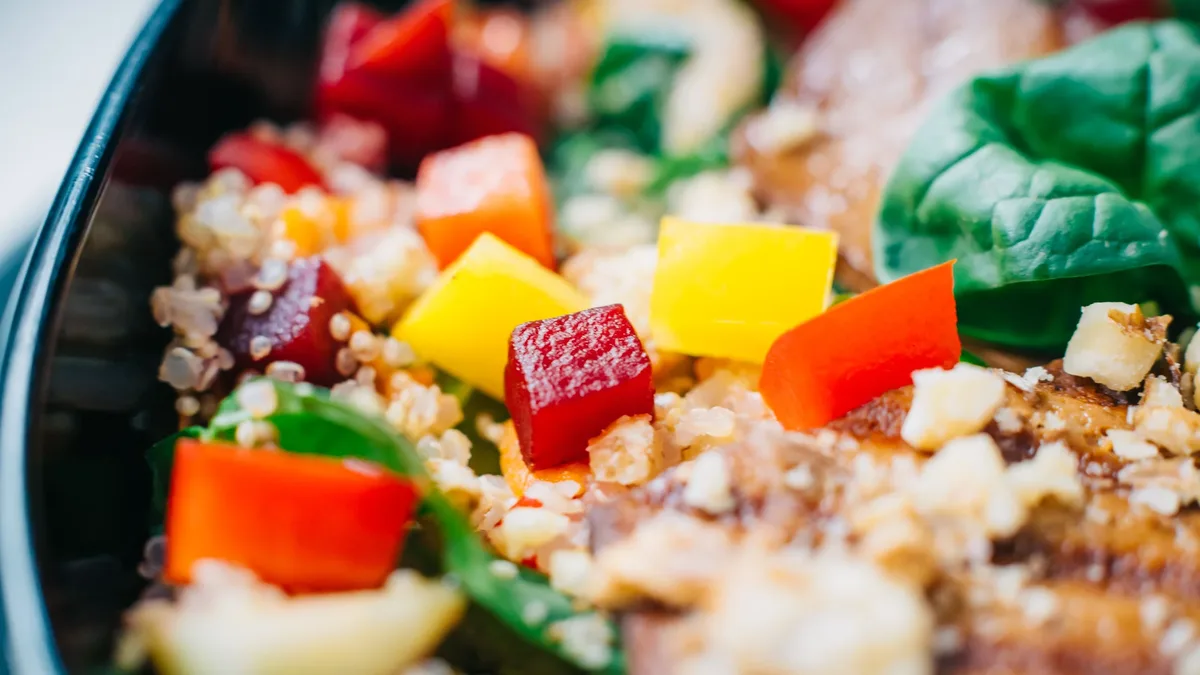
Chinese Vegetable Rice - A Vegan Summer Dish
A quick, vegan-friendly Chinese Caifan recipe that pairs Tri-Color Quinoa rice with fresh Yu Choy and garlic-oil for a light, weight-loss-friendly...
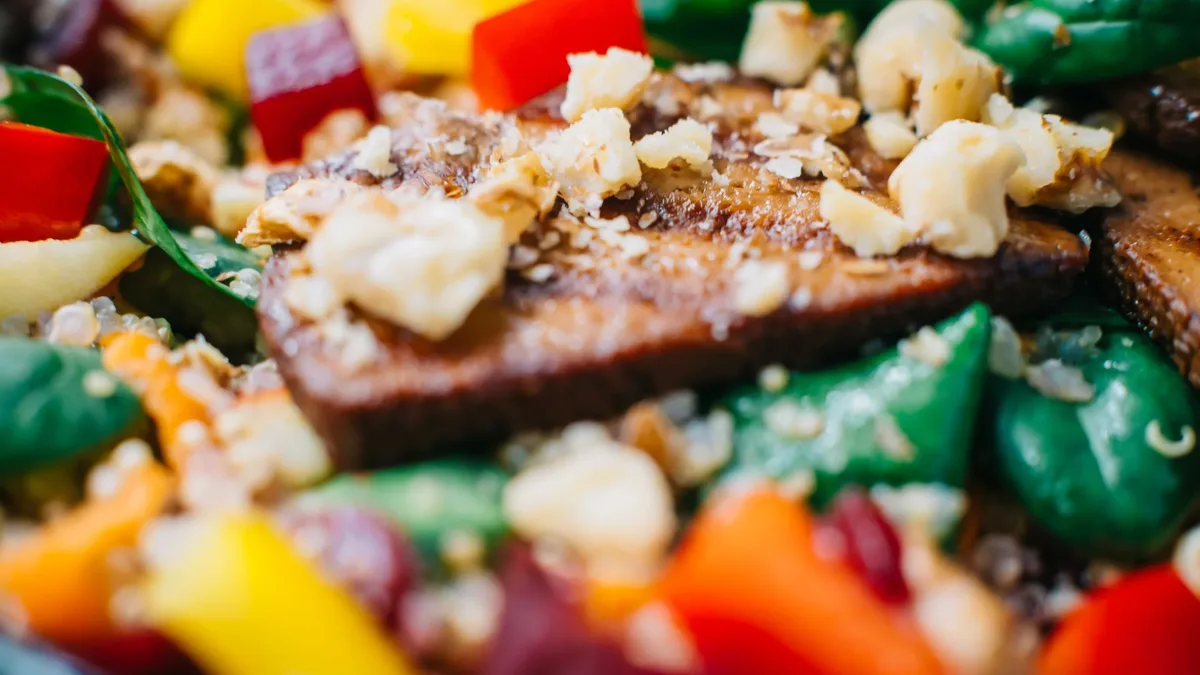
Spinach Salad with Tofu Skin & Peanuts
A fresh Chinese cold dish that blends blanched spinach, tofu skin, roasted peanuts and a savory sauce. The recipe requires minimal cooking and can be...

Chinese Milk Pudding: Light, Creamy Coconut Dessert
A simple Chinese milk pudding recipe from The Woks of Life offers a lightly sweet, creamy treat that can be customized in sweetness and coating. The...
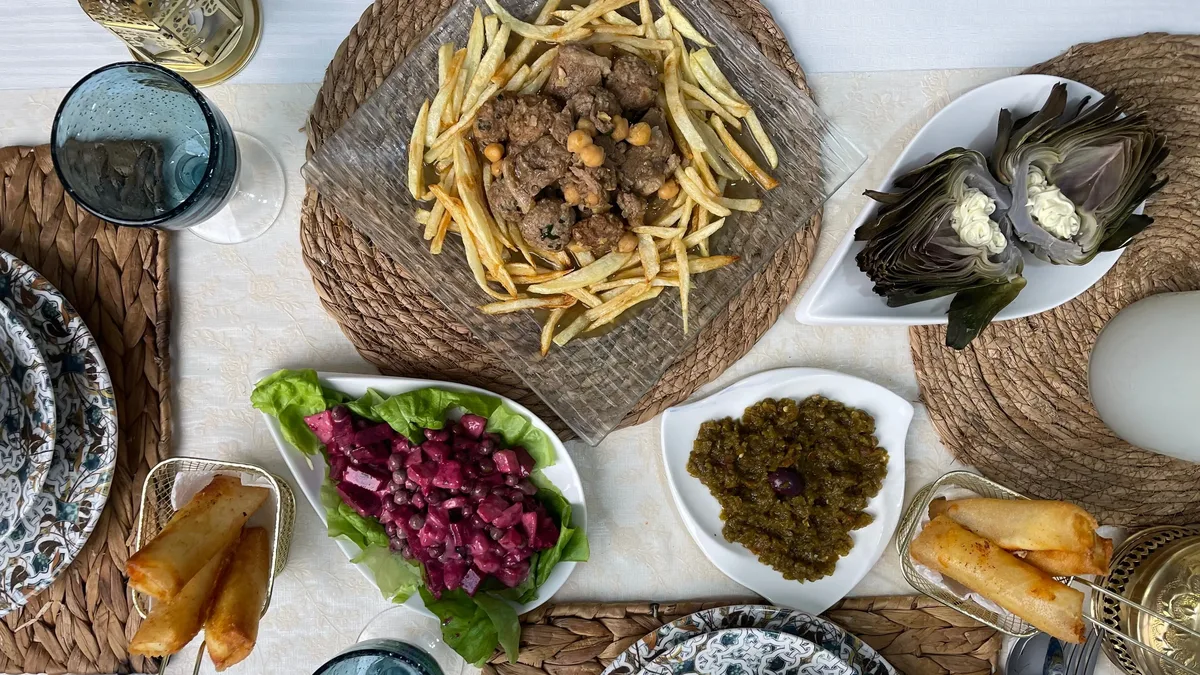
17 Authentic Chinese Recipes for Home Cooking
Discover the flavors of China with these 17 authentic recipes, ranging from spicy Sichuan dishes to comforting claypot rice and Cantonese classics.