Preserving Summer's Bounty: Tips for Freezing Fruit the Right Way
Learn how to freeze summer fruit to preserve its peak-season flavor and texture, and make the most of your seasonal produce.
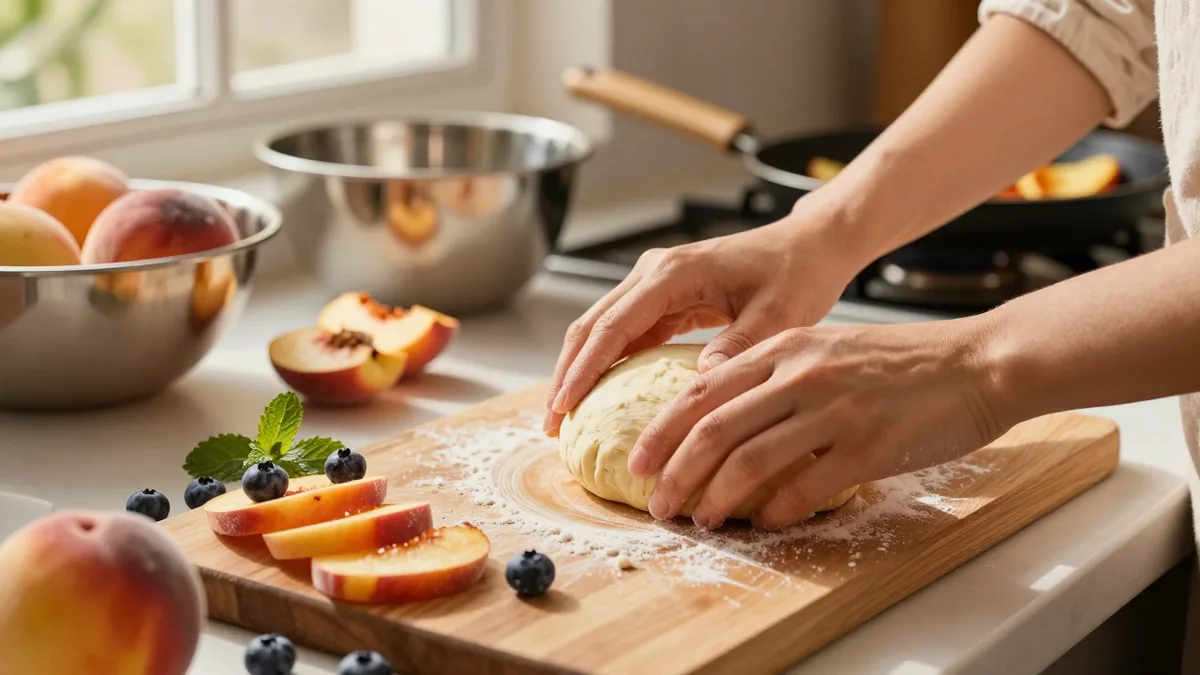
Freezing summer fruit is a great way to preserve its peak-season flavor and texture, and make the most of your seasonal produce. However, not all fruits freeze well, and some may turn into icy gravel or weepy pulp if not done properly.
The Science of Freezing Fruit
Freezing fruit is not as simple as shoving a bag of squishy strawberries into the freezer and hoping for a miracle. The key is understanding what freezing does. Most fruits are made mostly of water (up to 90%) locked inside rigid plant cell walls.
When you freeze it, that water turns into ice, and those ice crystals expand and can rupture cell walls. If freezing happens slowly, larger ice crystals form, and those crystals expand and rupture the fruit's cell walls. That's why thawed strawberries go from plump to puddly.
But if you freeze fruit quickly, ice crystals stay smaller. Less damage means the fruit holds onto more of its structure and juiciness, with far less weeping or collapse when it thaws. Quick-freezing is what commercial producers do for the bags of frozen berries you find at the grocery store-industrial flash freezing (sometimes called IQF, or individually quick frozen) preserves their shape and flavor.
What Fruits Freeze Well
Berries are freezer all-stars since they are tiny and freeze quickly, making them ideal for smoothies and sauces. Stone fruits like peaches, nectarines, plums, and cherries also freeze well and can be used in smoothies, desserts, or cooked down into jam or sauces later. Pineapple and mango are excellent frozen, especially for smoothie lovers.
Berries
- Wash and dry thoroughly to remove dirt and debris, then dry it completely before freezing. Any excess moisture on the surface will turn into ice, causing the fruit to clump together and increasing the risk of freezer burn.
- Cut or prep fruit if needed. This isn’t required for most berries, but strawberries can be hulled and halved or sliced first.
- Flash freeze by spreading the berries on a parchment paper-lined rimmed baking sheet and freezing until solid, one to two hours.
- Transfer to a zip-top bag, squeeze out air, seal, and label.
Stone Fruits
- Wash, pit, and slice (or for cherries, pit and leave whole).
- Optional: Soak in lemon-water solution (1 tablespoon lemon juice per cup of water) to minimize browning.
- Flash-freeze slices by spreading out in an even layer on a parchment paper-lined rimmed baking sheet and freezing until solid, one to two hours.
- Transfer to a zip-top bag, squeeze out air, seal, and label.
Pineapple and Mango
- Peel and cut into bite-size chunks.
- Flash-freeze by spreading out in an even layer on a parchment paper-lined rimmed baking sheet and freezing until solid, one to two hours.
- Transfer to a bag, squeeze out air, seal, and label.
What Fruits Don’t Freeze Well
While many fruits freeze beautifully with the proper prep, a few simply don’t hold up to the icy transformation. These are the ones that turn mushy, mealy, or just plain weird when thawed. But that doesn’t mean they’re a total loss. With the right expectations-or a creative workaround-you can still make the freezer work for you.
Watermelon, Cantaloupe, and Honeydew
These high-water-content fruits are almost entirely made of juice, which means freezing them turns their crisp, refreshing bite into a soggy mess. Once thawed, they collapse into a watery slump-not exactly what you want on a fruit platter.
Bananas
Yes, you can freeze bananas, and yes, it’s absolutely worth it-just never freeze them in the peel unless you’re actively trying to punish yourself. The peel turns black and slimy and becomes a pain to remove. Instead, peel them first, then slice them or break them into chunks, lay them out on a tray to flash freeze, and transfer them to a bag.
Grapes
Fresh grapes don’t love the freezer if you plan to thaw them, as they’ll turn soft and a little sad, losing their signature pop. But keep them frozen, and they’re a delightfully firm, frosty snack. Eat them frozen straight from the bag like little grape popsicles, or use them as edible ice cubes that won’t water down your drink-perfect for white wine, sangria, or fizzy water.
Tips for Freezing Like a Pro
Once you’ve picked your fruit and decided how to prep it, a few minor technique tweaks can make a huge difference in how well it freezes-and how useful it is when you pull it back out. These aren’t fussy chef tricks; they’re practical, low-lift moves that prevent freezer disasters like fruit bricks, freezer burn, or unlabeled mystery blobs.
1. Dry Fruit Thoroughly Before Freezing
Water on the surface of your fruit turns to ice crystals, which encourages clumping and freezer burn. After washing, spread fruit out on a clean towel or paper towels and let it air-dry completely before you freeze it.
2. Flash-Freeze Everything on a Sheet Tray
Spreading fruit in a single layer on a parchment paper-lined tray and freezing it until solid (one to two hours) ensures that individual pieces stay separate. Skip this, and you’ll end up with one big frozen clump, which is not ideal when you just want a handful of fruit for a smoothie.
3. Use Freezer-Safe Bags or Containers, and Press Out as Much Air as Possible
Air is the enemy of frozen food. It causes oxidation, flavor loss, and freezer burn. Use zip-top freezer bags, reusable silicone bags, or containers with tight-fitting lids, and squeeze out all the air you can, if using a bag before sealing.
4. Label and Date Your Fruit
Trust me, even if it seems obvious now, three months from now you won’t remember if that bag holds peaches or mangoes-or if it’s from this summer or last year. A Sharpie is your best freezer friend.
5. Store Fruit Flat in Bags When Possible
Flattening your bags of frozen fruit makes them easier to stack, store, and defrost quickly. It also helps everything freeze more evenly.
6. Use Within Six Months
Freezer life varies depending on the fruit and storage conditions, but most frozen fruits will last for about six months.
Source: Serious Eats