Indian
Recipe
Indian cuisine is a diverse and complex culinary tradition that encompasses a wide range of regional and cultural influences. The base of most Indian dishes involves a blend of spices, which can vary greatly depending on the dish and the region. Common spices include cumin, coriander, turmeric, cardamom, and garam masala. Vegetables, lentils, and grains like rice and wheat are staples in many dishes. Meat, particularly chicken, lamb, and beef, is also widely used, though vegetarian options are equally popular. The preparation of Indian dishes often involves a step known as tempering or tadka, where spices are fried in hot oil or ghee to release their aromas. This technique is crucial as it enhances the flavor profile of the dish. Another key technique is the use of marinades, which can range from simple yogurt and lemon juice mixtures to more complex combinations of spices and herbs.
Technique notes
When preparing Indian dishes, the order in which spices are added is crucial. Typically, whole spices like cumin seeds and mustard seeds are added first, followed by ground spices like turmeric and coriander. This sequence allows the spices to release their flavors gradually. For marinades, a good rule of thumb is to marinate meat for at least 30 minutes to several hours, depending on the cut. Vegetables should be marinated for a shorter period, usually 15 to 20 minutes. It's important to note that the heat level of the dish can be adjusted by the amount of chili powder or fresh chili peppers used. For a milder dish, use less chili or remove the seeds from the chilies. For a spicier dish, increase the quantity of chili or add fresh chili peppers towards the end of cooking.
Variations
Indian cuisine offers a vast array of regional variations. For example, in North India, dishes like butter chicken and dal makhani are popular, while in South India, dishes like sambar and rasam are more common. The use of tamarind, coconut, and cashew nuts is prevalent in South Indian cuisine, while North Indian dishes often feature more dairy products like cream and ghee. Additionally, the cooking methods can vary widely. Grilling, roasting, and frying are common in some regions, while steaming and boiling are more prevalent in others. The choice of cooking method can significantly affect the texture and flavor of the dish.
Make ahead & storage
Many Indian dishes can be prepared ahead of time and stored for later use. For instance, marinades can be made a day in advance and stored in the refrigerator. Cooked dishes like biryanis and curries can be refrigerated for up to three days, though the flavor may diminish over time. To freeze dishes, allow them to cool completely before storing in freezer-safe containers. Most dishes can be frozen for up to three months, though the texture may change slightly upon thawing.
What to serve with
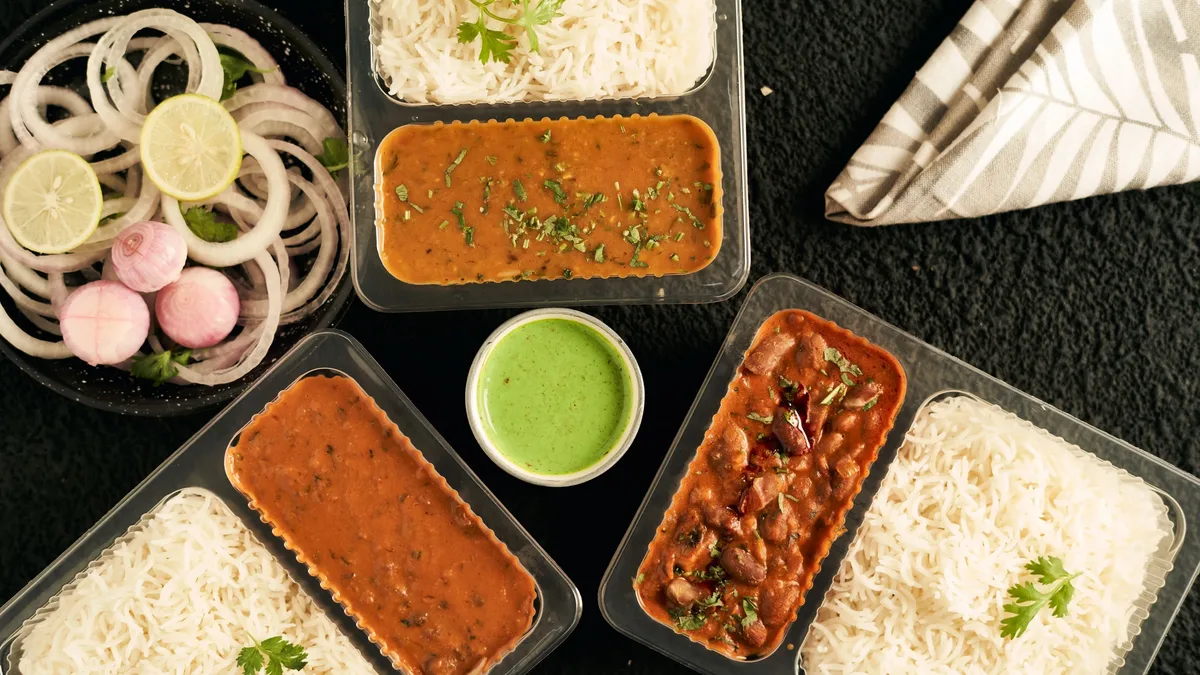
Indian dishes are typically served with a variety of accompaniments to enhance the overall dining experience. Rice, especially basmati, is a staple side dish. Roti, naan, and paratha are popular breads that can be used to scoop up the curry. Raita, a yogurt-based side dish, is a common accompaniment that helps to balance the spiciness of the main dish. Pickles and chutneys are also frequently served to add a tangy flavor.
Troubleshooting
Common issues in Indian cooking include overly spicy or bland dishes. To avoid this, taste the dish as you cook and adjust the seasoning accordingly. If a dish is too spicy, adding a bit of sugar or a dollop of yogurt can help to balance the heat. If a dish is too bland, adding a pinch of salt or a bit more of the main spice can enhance the flavor. Another common problem is the dish not having enough depth of flavor. This can be addressed by ensuring that all the spices are well toasted before adding them to the dish. Additionally, using a variety of spices and allowing them to cook for a longer time can deepen the flavor profile.